

























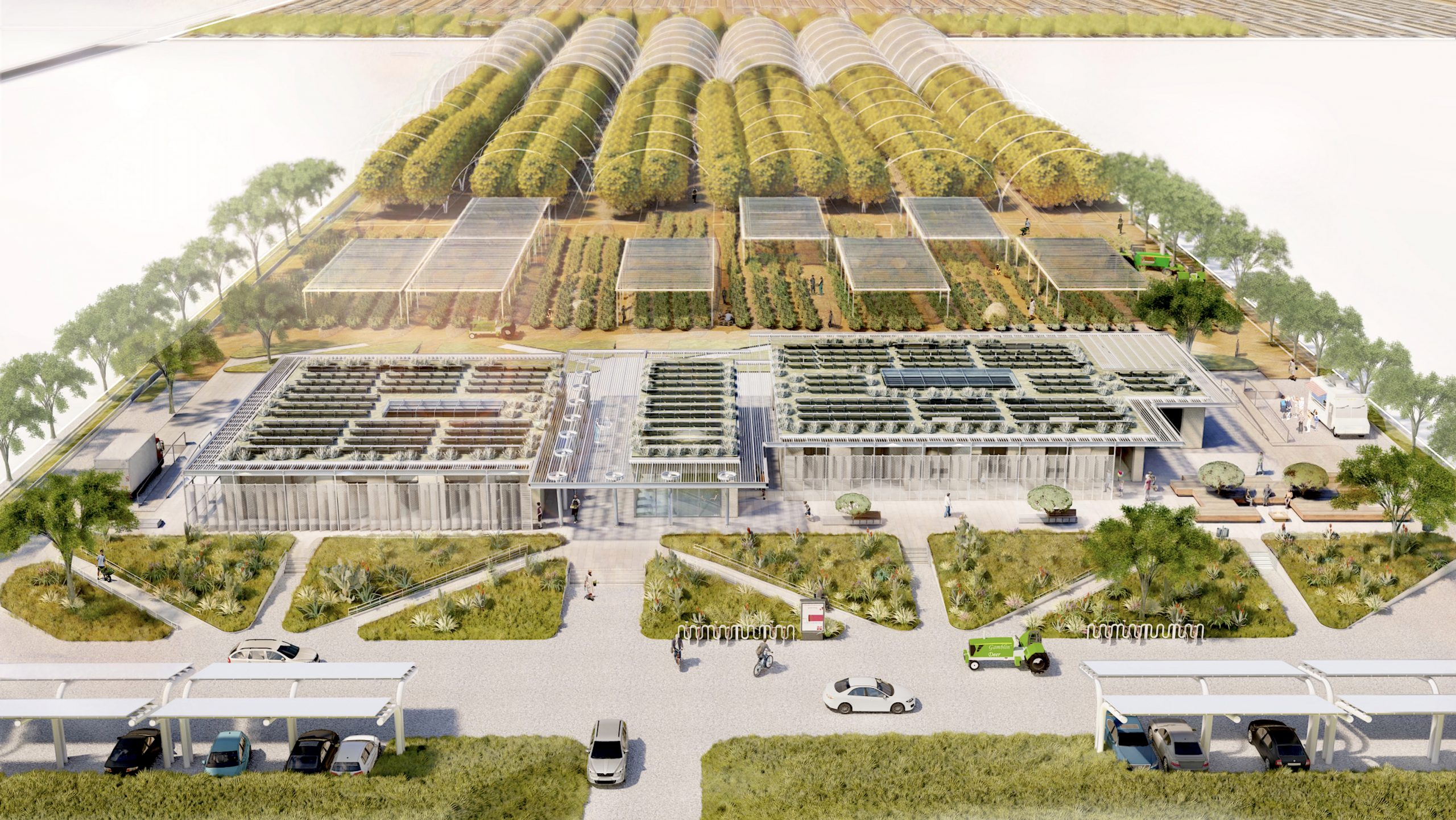
2023 Teaching and Innovation Farm Lab Graduate Student Honor Award by USC (aerial view)
Architecture at Zero competitions, which focus on the theme, Design Competition for Decarbonization, Equity and Resilience in California, have been supported by numerous California utilities such as Southern California Edison, PG&E, SoCAl Gas, etc., who have recognized the need for better climate solutions in that state as well as globally. Until recently, most of these competitions were based on an ideas only format, with few expectations that any of the winning designs would actually be realized. The anticipated realization of the 2022 and 2023 competitions suggests that some clients are taking these ideas seriously enough to go ahead with realization.
Here it should be noted that a state grant of $40M to help support projects of this nature in the Valley resulted in a logical institutional fit, both for organizing a design competition, as well as carrying through the idea to its ultimate completion. The 2021-22 Architecture at Zero competition, which focused on housing for farm workers in California’s Central Valley, awarded a commission to Fresno based Paul Halajuan Architects, one of three highly ranked firms receiving a “merit award” in that competition.
The more recently completed 2023 competition focused on the design of a Teaching & Innovation Farm Lab, located in the Central Valley, north of Bakersfield. The latest news concerning that project, released by the Allensworth Progressive Association (APA), is that several of the Professional and Student teams from the competition have been interviewed to discuss their entries in more detail. At this stage the APA is concentrating on refining the building program and developing a fundraising plan. Since the client already has been promised $12 million for implementation of the project, one might assume that additional funding is intended to secure the stability of the project well into the future.
The 2021/22 Net Zero Competition
Farmworker’s housing in California has long been either substandard or very high density—when available at all. So a competition for the design of housing incorporating some of the most essential features, I.e., decarbonization, comfort, etc. was well overdue. Self Help Enterprises of Visalia, California stepped in to support the competition, which was administered by Architecture at Zero.
The proposed program asked for 105 new units of affordable housing, for farmworkers and their families. Unit size and composition: 37 units to be 3 bedroom (size range 900-1250 sq ft.) 37 units to be 2 bedroom (size range 700-850 sq ft.) 31 units to be 1 bedroom (size range 450-590 sq. ft.) Air conditioning was required and, according to residents, natural light in their living spaces was a high priority.
Betsy McGovern, Program Director of Real Estate Development stated: “Self Help Enterprises is delighted to participate in the 2021-22 Architecture at Zero competition and receive fresh ideas, thoughts and concepts that can be applied in Visalia and the surrounding San Joaquin Valley. There continues to be a huge demand for housing for farmworkers, and this is a unique opportunity to integrate decarbonization and climate resiliency through an equity lens.”
The competition jury was composed of:
• Lance Collins, AIA, Director at Partner Energy
• Mary Ann Lazarus, FAIA, Cameron MacAllister Group
• Paul Torcellini, PhD, Principal Engineer, NREL
• Allison G. Williams, FAIA, AGWms _studio
Competition adviser: Margie O’Driscoll
Merit Award*
Paul Halajuan Architects
Clovis, California
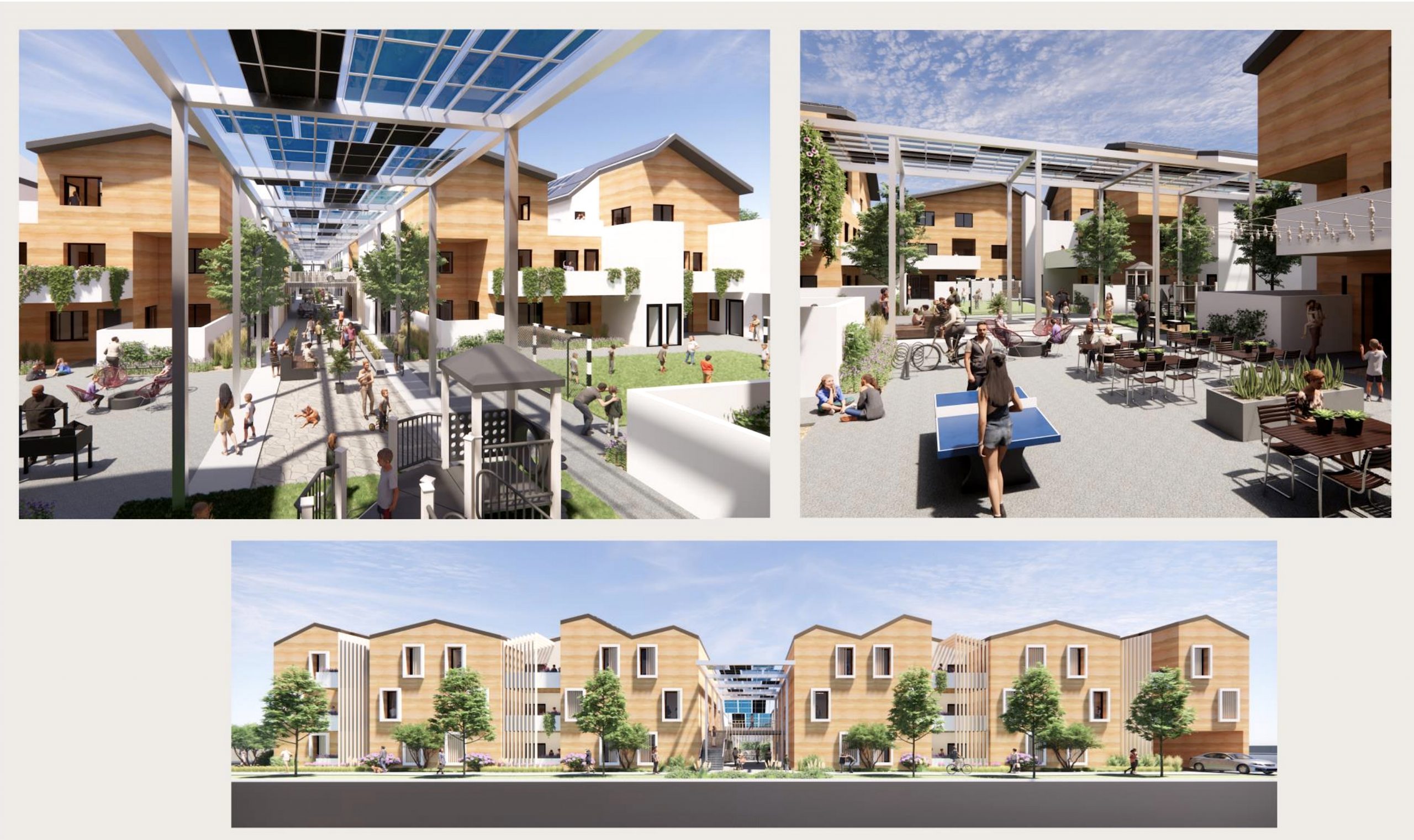
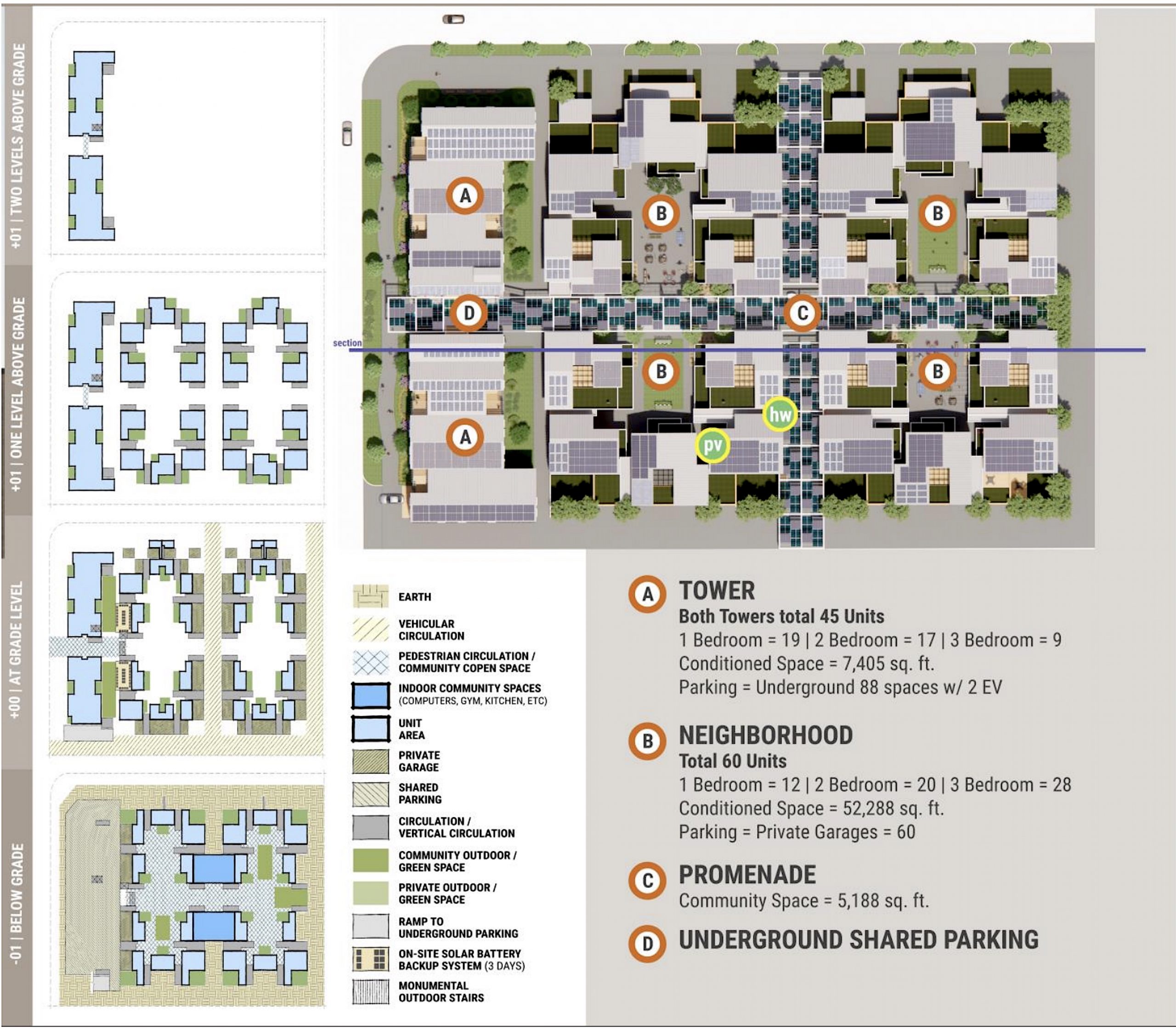
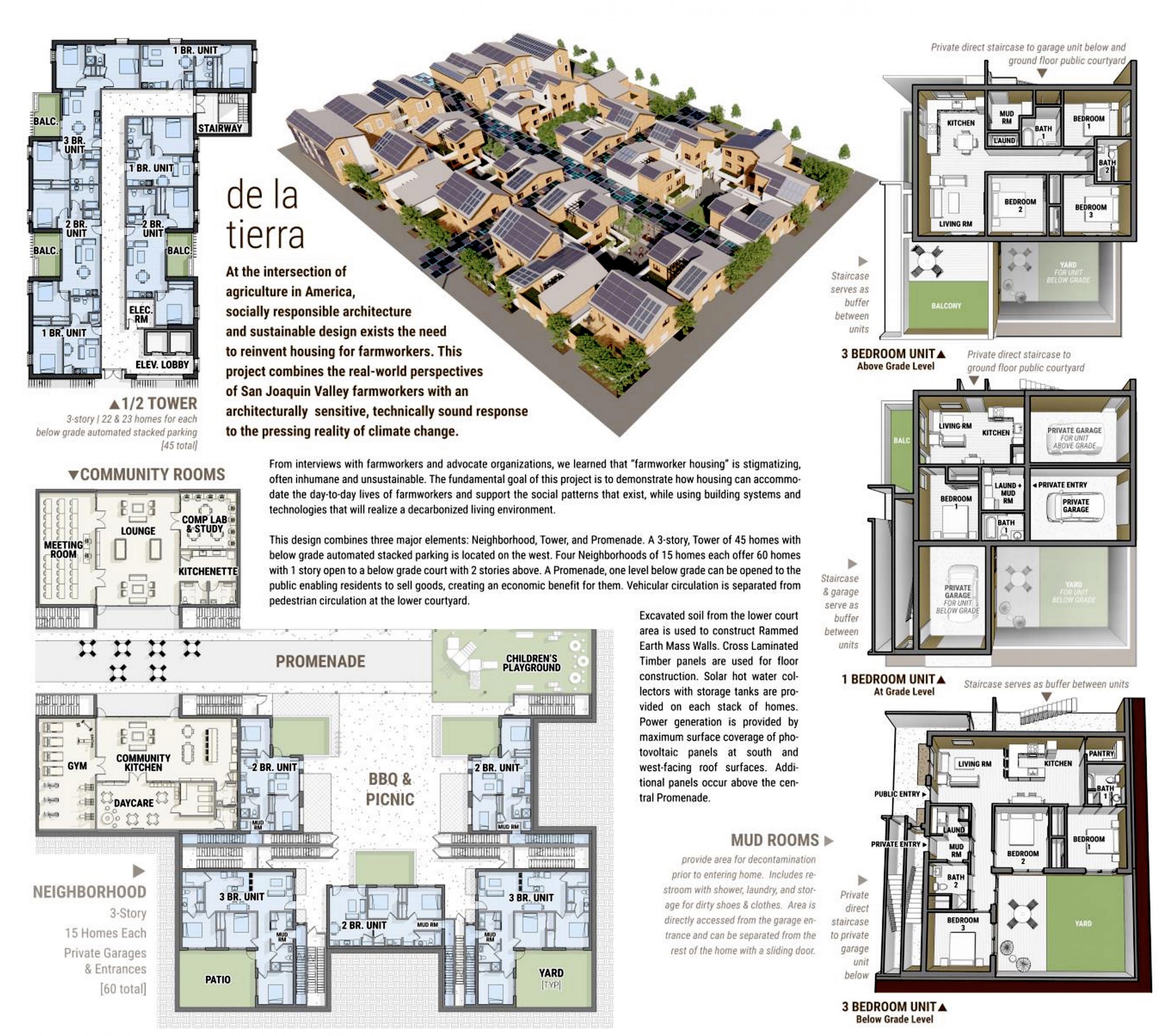
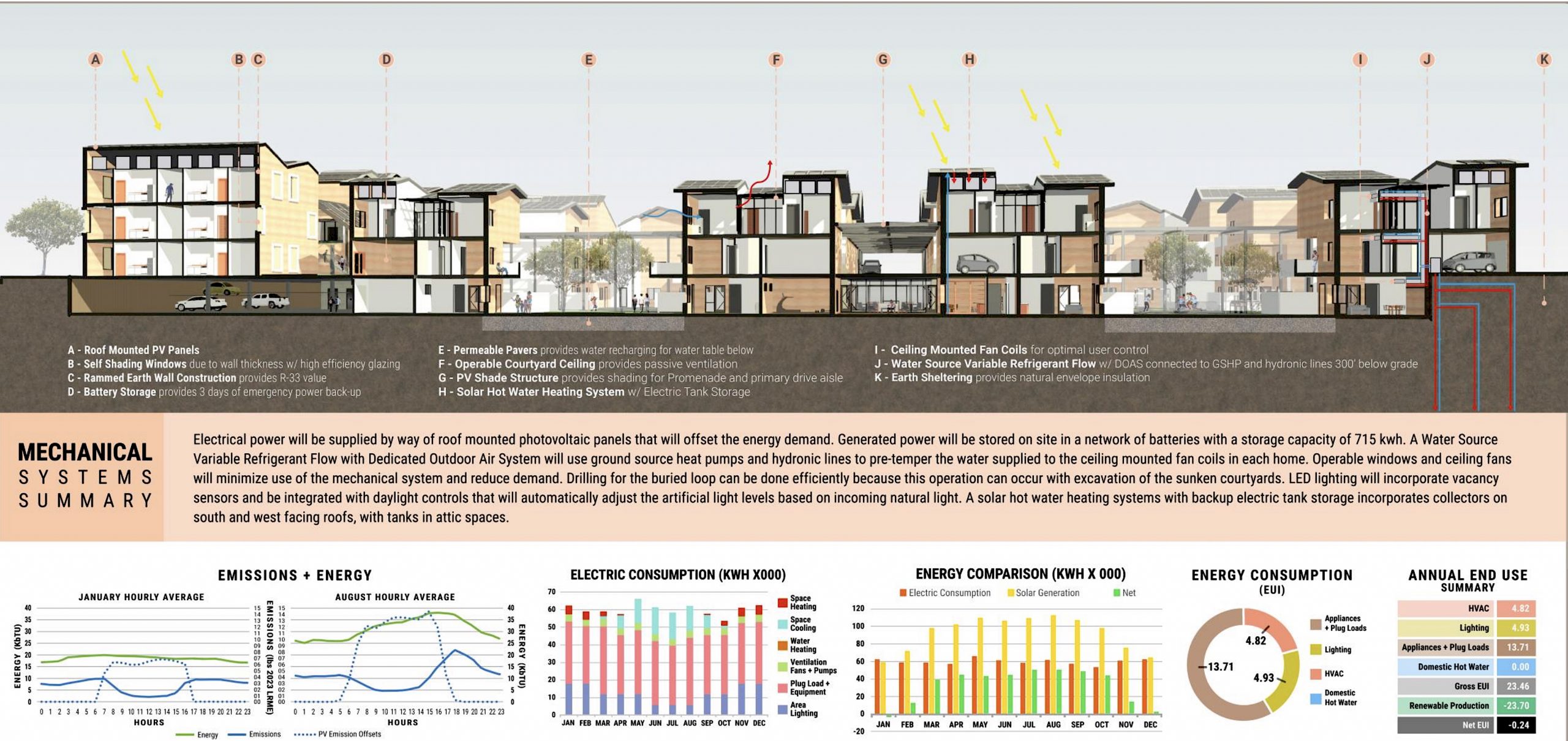
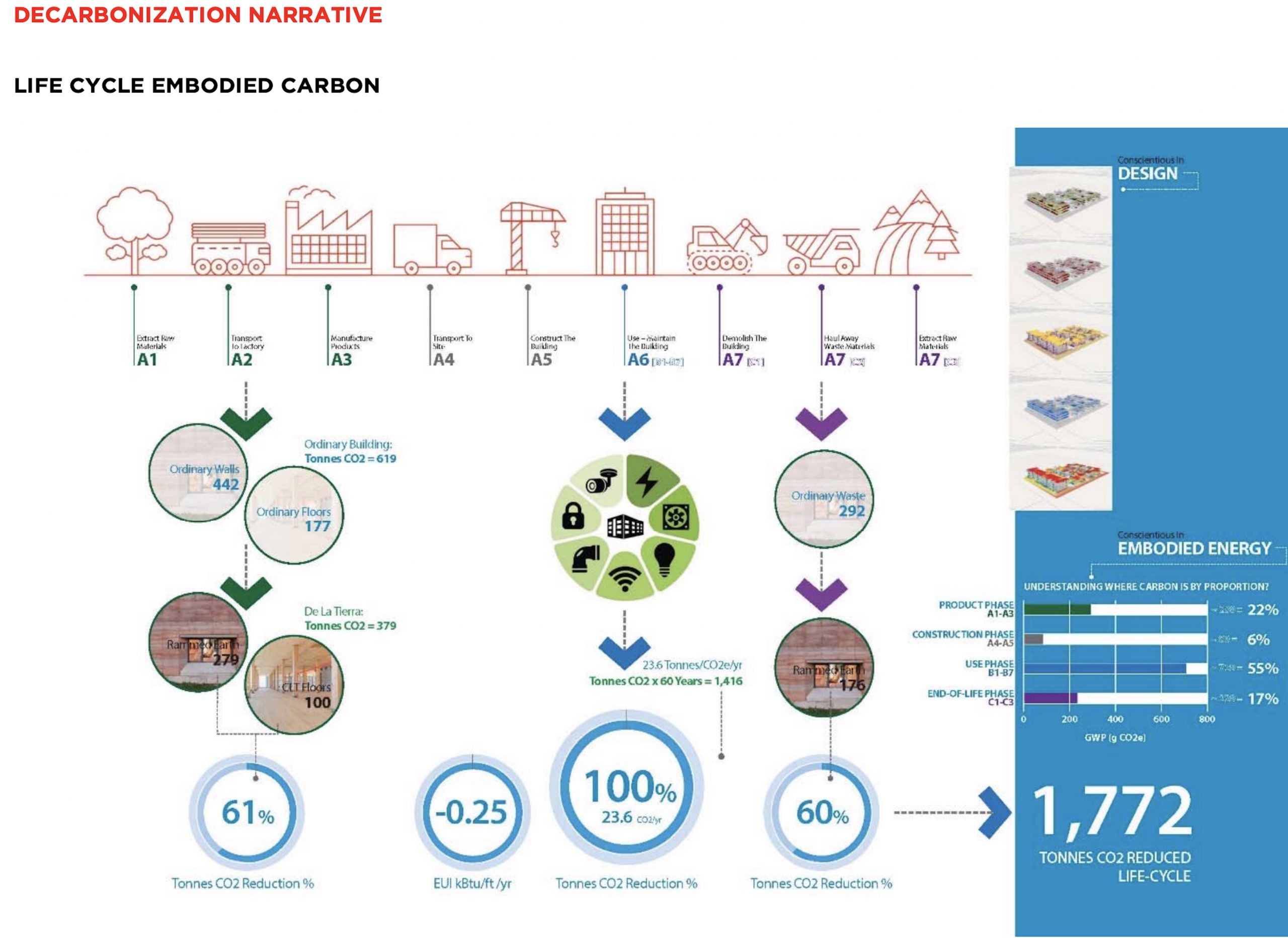
Unless otherwise noted, all above images courtesy: Architecture at Zero
[eme_events order=DESC limit=100 scope=future showperiod=monthly category=1]
[eme_events showperiod=monthly category=2]
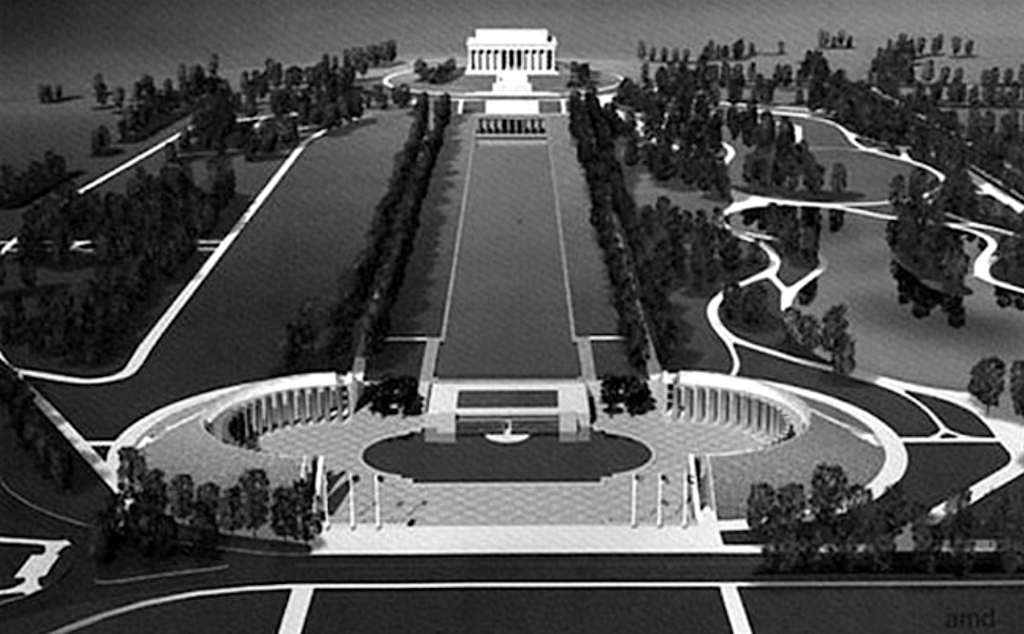
Winning Stage 2 design for the WWll Memorial Competition ©Friedrich St. Florian
The guidelines for the administration a design competition are not a closely held state secret. Still, leading up to the announcement of a design competition for the World War II Memorial, some in the military seemed to think otherwise. In early 1993, an AIA staff person, Frimmel Smith, was appointed to serve as a source of information on the subject. Shortly after President Clinton signed a bill in 1993 authorizing the establishment of a memorial, several military officers appeared in Frimmel Smith’s office at the AIA headquarters, announcing they would like to learn about competitions. Were they asleep during the exemplary administration of the Vietnam Memorial competition, which had resulted in an highly acclaimed product? Or, with another war memorial in the offing, did they not want to be caught off guard this time and again be bystanders as was the case when an enlisted man, Jan Scruggs, was the initiator of the Vietnam Memorial?
The initial decision was to turn to the U.S. General Services Administration (GSA) to run a competition. Here, in contrast to the Vietnam Memorial jury, there was undoubtedly a tacit understanding that high-ranking military personnel be part of the decision making process: they did ultimately appear as jurors. The next stage in the decision making process at first appeared to be an invited competition. When the word got out to this effect, there was a general outcry, and the client agreed to an open competition. Here one should note that the GSA had been staging invited competitions for government projects, i.e., courthouses, federal buildings, etc., but with a committee of their peers leading the decision making process. In the case of the WWII Memorial, it was going to be different. Generals and Admirals were going to be looking over the shoulders of the design experts. In marked contrast to the Vietnam Memorial Competition, which generated a huge number of entries, the WWII Memorial competition only ended with 400 entries, with multiple entries coming from one well established architecture firm (Richard Meier). Although the initial design by ultimate winner, Friedrich St. Florian, in the first stage looked somewhat like it may have come out of an Albert Speer playbook, in any case it evolved into the Beaux Arts design we have today. The WWII veterans certainly deserved something more imaginative, and one might still wonder if a rocky approach to the administration of the process contributed to the end result. In its aftermath, two important competitions on the mall, for Dwight Eisenhower and The National Mall Competition were result of participation by invitation only.
Although the WWII Memorial competition ended up being an open event, the circumstances surrounding its implementation suggested that clients were increasingly focusing on exercising more control over the decision-making process.. Today most competitions for large projects are preceded by a call for qualifications, thus eliminating any notion that small emerging firms might be possible winners. In Europe, most competitions are also now preceded by a call for qualifications; but once chosen, the compensation for participation can be very substantial. But there, the numbers of participants is often larger, and compensation numbers are more attractive than one finds on this side of the ocean. Unfortunately, the trend in the U.S. is to suggest that such events are no longer competitions, but more like requests for proposals. We were recently told by a PR firm that they anticipated that a competition would be staged for a new performing arts centre in Sarasota, Florida. Later we learned that “This is not going to be a competition,” though the presentation requirements were substantial. We saw this again in the case of an extension to the architecture/construction building at the University of Florida.
One of the most egregious examples of this phenomenon was the competition staged for the Obama Library/Center in Chicago. In submitting a request to the Obama Foundation for publication of all of the finalists designs, we were told that “this was not a competition.” All this in spite of the fact that the a call for proposals for two sites looked very much like what one might expect of a competition (https://competitions.org/2016/08/the-obama-library-competition-what-would-olmsted-have-said/). Because the Obama Foundation did not provide the finalists, with substantial compensation for their efforts, the submission requirements almost found one firm filing for bankruptcy and rumors of another finalist claiming they spent close to $1Million on the project.
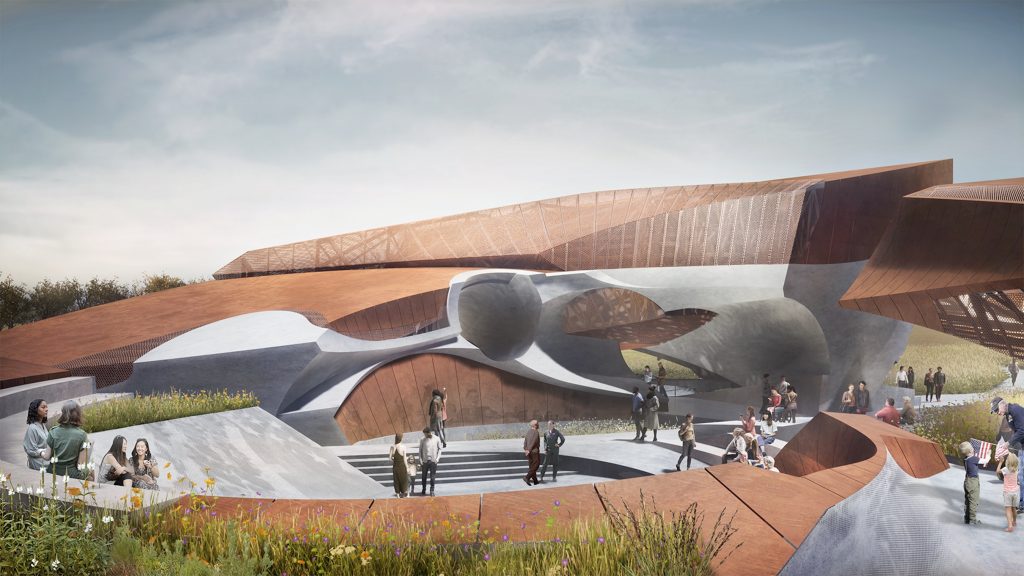
Winning entry for the 2022 Cold War Memorial Competition ©Oyler Wu Collaborative
In a country that prizes the open competitive process for ideas in numerous sectors, and has instead supplanted it in the area of architecture and planning with a star architect system; the system resembles something that is antithetical to our notion of democracy. Granted, the trend toward invited competitions throughout the world has also seen the numbers of open competitions reduced to a trickle. But in the case of EU members, the architectural associations have recognized and promoted the notion that open architecture competitions are important, not only to the health of the profession, but the quality of design. Have we heard any objections by the American Institute of Architects concerning the unscrupulous treatment of architects by clients in this country? And that trend is worsening: in 2022 we only were able to find two well administered open competitions for real projects in the U.S. for publication. Last year it was zero. This is not great news for someone in this country interested in pursuing architecture as a profession.
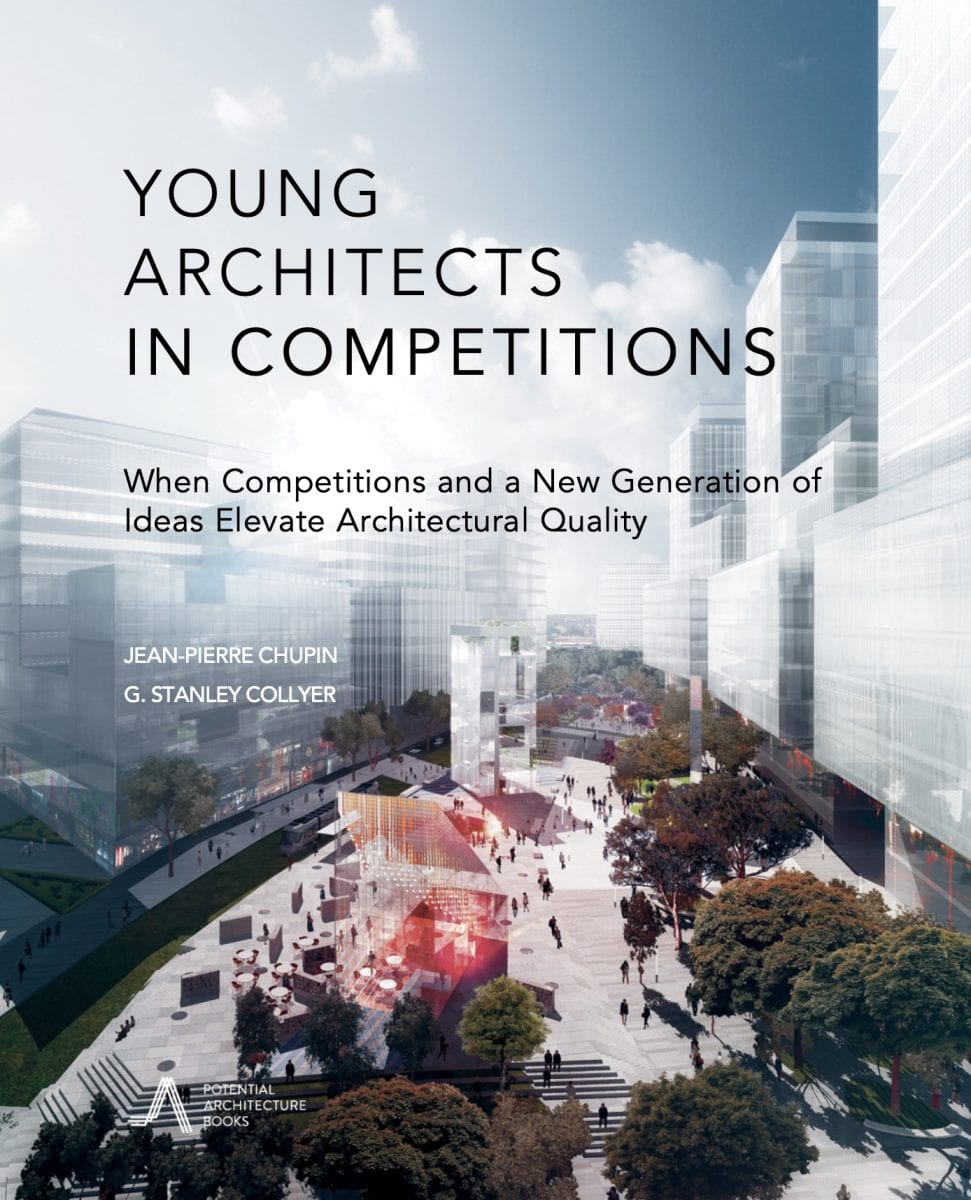
For more information on the evolution of the competition process worldwide:
https://crc.umontreal.ca/en/sdm_downloads/chupin-jean-pierre-g-stanley-collyer-young-architects-in-competitions-when-competitions-and-a-new-generation-of-ideas-elevate-architectural-quality-2/