An “eco-district” Master Plan
Winning plan by Knight Frank (all images courtesy centeragency.org)
Moscow has been short on housing for decades. Now the need for housing in the far-flung reaches of the Russian Federation is taking shape. Kazan, a city east of Moscow on the upper reaches of the Volga River
Read more…
The North West Arkansas Housing Competitions
Site 2 Winner: ©Kevin Daly Architects
Focusing on the lack of affordable housing in the region for residents and newcomers at all levels of income, the Fay Jones School of Architecture and Design at the University of Arkansas launched the Housing Northwest Arkansas initiative. Intended
Read more…
by William Morgan
Winning entry ©D/R/E/A/M Collaborative / Wozny Barbar & Associates
“We must look beyond current options and activate new and original ideas,” declared Mayor Martin J. Walsh in announcing Boston’s first-ever housing competition. “The Housing Innovation Competition, “ Walsh continued, “ is a chance for Boston to take its place in
Read more…

Professional Merit Award winner – “Nexus” by Dialog (Vancouver, Canada)
Several years ago, Zero Net Energy, or ZNE as it is often referred to, would have been an unthinkable goal for any community in this country, let alone for an entire state. But in California, it is certain to become a household word by the end of this decade. The City of Santa Monica recently passed an ordinance requiring all newly built single-family homes, duplexes, as well as multi-family structures, to be in compliance with ZNE codes. By the year 2020, the State of California will require the implementation of a similar step in housing construction. According to California’s Green Building Code, a ZNE home is one that produces as much renewable energy on-site as it consumes annually.
Contrary to anti-sustainability positions taken by some government officials in other states—most notably in Florida—California has been at the forefront in promoting energy efficiency measures. As an offshoot of this trend, a series of competitions supported not only by the AIA California, but also by the primary energy provider in the state, PG&E have taken place annually since 2011—all at different sites. Although conceived as ideas competitions, the clients who were considering construction projects participated in supplying the necessary site and volume data for the program, and it was probably understood that some of the ideas from the competitions would be incorporated in the ultimate projects.
In this year’s 2016 Architecture at Zero competition, the site was located at San Francisco State University, near Lake Merced in the southwestern area of the city. As a potential client, the university supplied data for a student residence project, especially important to the San Francisco area because of the high cost of housing. One negative outcome of this scenario has been a low student retention rate. By targeting affordable housing for students, the university sees this as part of the solution.
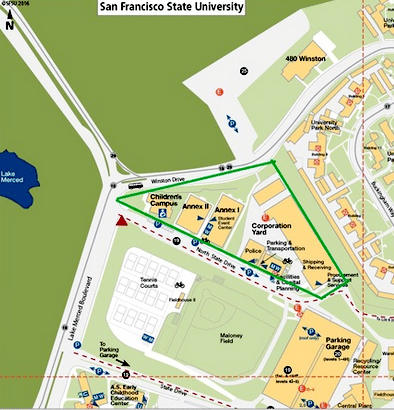
Competitors were tasked to regard the design challenge with these priorities in mind:
“By encouraging innovative design solutions to site-specific design challenges, the competition aims to broaden thinking about the technical and aesthetic possibilities of zero net energy projects. Further, it seeks to raise the profile of ZNE among built-environment professionals, students, and the general public in California and beyond.”
Read more…
1st Place entry by M.A.M.O.T.H
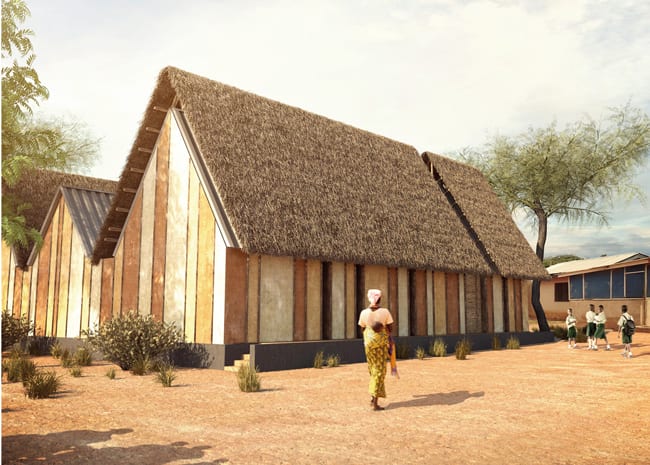
For years, the earth has long been the basic construction material for houses in rural Ghana. Although 98% of the houses in the Abetenim area of Ashanti province—typical of warm, humid climate conditions—are made of earth, stereotypes about this building type persist because of eroding which takes place from poor construction and water damage. This has resulted in a stigma associated with mud architecture and the local perception that mud architecture is only for the poor. Instead of earth, metal and cement block have become the material of choice—at a considerable expense. In light of this problem, the Nka Foundation, a non-profit organization dealing with art and design in Africa, staged the Mud House Design Competition—to encourage designers, architects and builders to use their creativity to come up with innovative designs for modest, affordable homes that can be built locally. The focus of the design was to aim at creating a single family and semi-urban house type that would be a place to live, a place to rest, store modest belongings, and feel safe. What was the preferred construction method for the winning entries? It could be cob construction, rammed earth, mud brick, cast earth (poured earth) by formwork, or any other earth construction techniques that can be easily learned by local labor. Roofing design could be of vault, fired mud roof, or corrugated zinc sheets, which is the conventional roofing materials, because zinc roofing withstands the heavy rainfall better. As a prototype, the intended solution should be a durable mud house that promotes open source design for the continuity of building with earth for a more sustainable future. The house was to include a kitchen, living area, bedrooms and a toilet. The maximum cost of the house was to be $6,000, for which each entry was required to present a detailed budget. The Process
After a Preselection Jury of experts examined all of the entries, it was charged with shortlisting 20 for adjudication by a Grand Jury. The members of the latter were:
ÂÂÂÂÂÂ
• Belinda van Buiten, Utrecht, The Netherlands
• Marcio Albuquerque Buson, University of Brasilia
• Mariana Correia, Escola Superior Gallaecia, Portugal
• Toby Cumberbatch, The Cooper Union, New York
• Ahmad Hamid, Ahmad Hamid Architects, Egypt
• Rowland Keable, UNESCO Chair on Earthen Architecture
• Bruno Marques, Oporto Lusiada University, Portugal
• John Quale, Professor, University of New Mexico, USA
• Roland Rael, University of California, Berkeley
• Humberto Varum, University of Porto, Portugal
According to John Quale, he agreed to participate as a juror because he found the topic to be quite interesting. The selection process by the Grand Jury did not, however, take place face-to-face, but electronically. A web interface during the final stages of the process did occur, resulting in the final ranking of the entries. Prof. Quale found this to be an adequate method to adjudicate the designs, as this was obviously a competition with a limited budget, obviating the cost of impaneling the jury on-site. Judging criteria involved the functionality, aesthetics and technical factors to the degree to the degree that the design responded to the design program. The Winning Designs Of the short-listed projects (20), there were three winners. Jurors awarded prizes for first, second and third place consisting of a commemorative plague and cash prizes to the winning designs as follows: 1st prize—$1,500 or construction of the design in Ghana, plus a short trip to Ghana for the opening ceremony once construction is completed (in case the winner is not located in Ghana and to a maximum of 1 person); 2nd prize—Construction or $1,000 and 3rd prize—construction or $500.
Read more…
University of Chicago North Campus Student Residence
Winning entry by Studio Gang with Mortenson Construction—Image courtesy Studio Gang ©University of Chicago
Like many American universities in the late 19th and early 20th centuries, the University of Chicago viewed Gothic architecture as a recognizable symbol to suggest academic excellence in the tradition of Ivy League universities and Oxford. In this, Chicago was not alone, as other schools used a similar formula to imply a connection to a pre-existing academic tradition—Duke University and Butler University in the 1920s being prime examples. As time passed, and to accommodate Chicago’s reputation architecturally as a forward-looking community, the university gradually hired contemporary architects such as Eero Saarinen, Mies van der Rohe, Edward Larrabee Barnes, Walter Netsche and Harry Weese to add to the university’s built fabric. Beginning with the early 21st century, the look on the campus has been updated even more to reflect current trends with buildings by Cesar Pelli, Helmut Jahn, Rafael Viñoly, Joe Valerio, and most recently, the musum by Tod Williams and Billie Tsien.
Read more…
ADD-ON ’13
Affordable Housing for Cape Cod
by William Morgan
Winning entry by CxMxD
Â
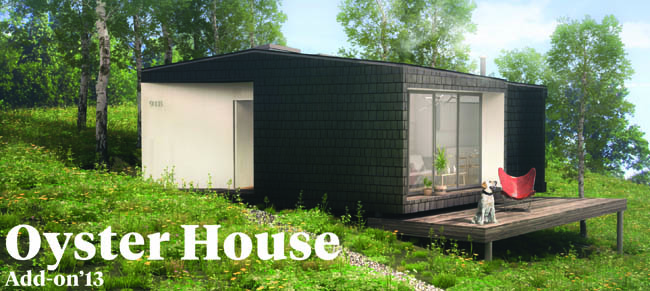
The goal of the Add-on ’13 competition was to “seek design proposals for a freestanding, affordable, accessory dwelling unit on outer Cape Cod.” Specifically, the town of Wellfleet, Massachusetts has a bylaw that allows a second living unit–and even up to three extra units–on the lot of an existing home. At the moment, the fishing and resort village has a dozen such accessory dwellings. But the nobler aim of the Add-on competition was to “consider the role of affordable housing” in a non-urban context and to “re-envision the relationship between architecture, infrastructure, resources and the land.” Despite the seeming modesty of the program–800 square-foot, single bedroom units, to cost less than $150,000, Add-on ’13 was a significant contest.
Â
Â
Read more…
|
San Jose’s Urban Confluence Winner Cancelled
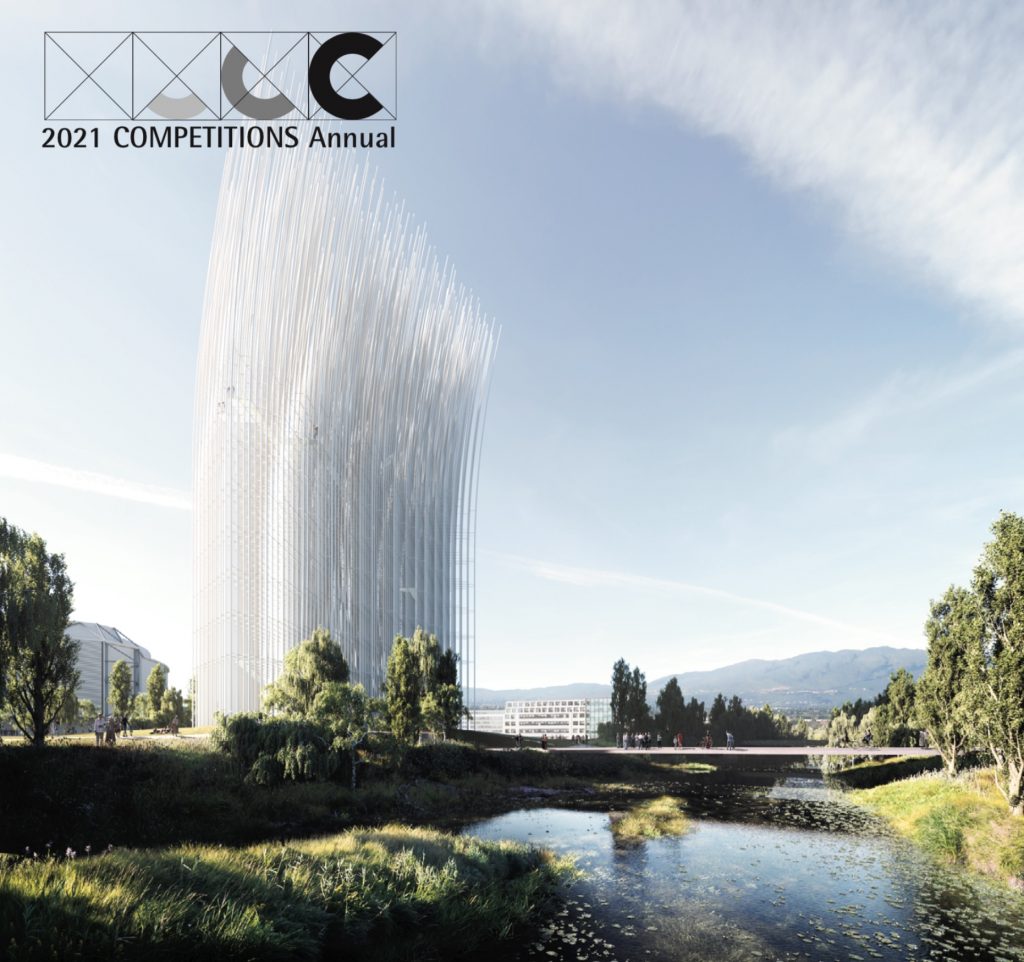
This week we received the news that the winning design for San Jose’s Urban Confluence competition by SMAR Architecture Studio has been cancelled. This comes after the original competition site was abandoned in favor of one more centrally located in downtown San Jose, Plaza de César Chávez. We can only assume that even this wasn’t enough to generate enough interest from major donors. From the very beginning of the competition, it appeared that the enthusiasm of those sponsoring the competition might be lacking links to potential donors with deep pockets—the hi-tech firms in Silicon Valley. After the competition resulted in a design that certainly entailed a major budget, the project had to be in trouble. The competition did produce a remarkable design; but this turned out to be another case where a competition, intended to generate enough public interest to fund a major project, came up short. -Ed
“A Museum for All”
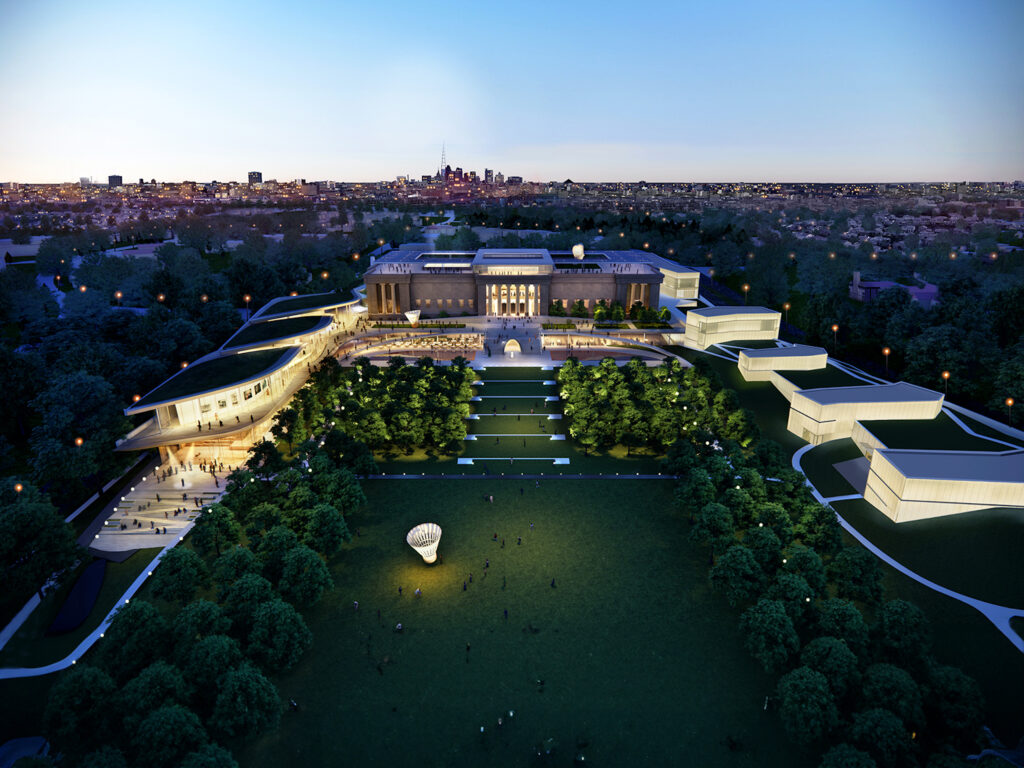
Winning entry by Weiss/Manfredi Landscape Architecture and Urbanism
Background
The Nelson-Atkins Museum of Art’s slogan “Creating a Museum for All” certainly reflects the efforts of many art museums to counter the notion that art museums exist primarily to cater to an elitist few. But one should note that this competition for an expansion of the museum’s capacity to serve a wider audience saw an initial step in this direction with the 1999 competition resulting in the Steven Holl addition, a series of pavilions stretching down one side of the large lawn area..
Read more…
Preparation and Organization of Design Competitions
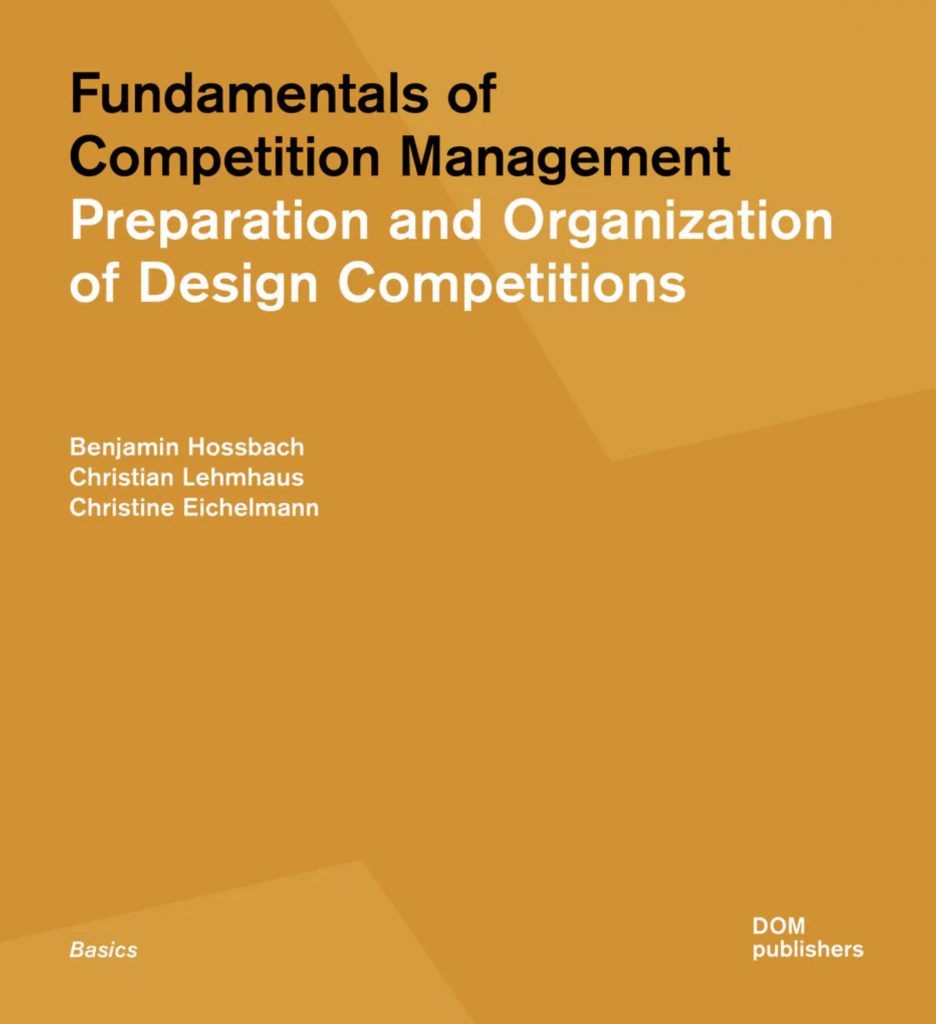
[phase 1] Benjamin Hossbach / Christian Lehmhaus / Christine Eichelmann
210 × 230 mm, 192 pp.
over 600 images
softcover
ISBN 978-3-86922-316-2 (English)
ISBN 978-3-86922-240-0 (German)
Dom Publishers
€48 in EU (For price abroad, see below)
Founded in 1998 in Berlin, Phase 1 has been a principal player in the organization and facilitation of design competitions, not only in Germany, but abroad as well. The accomplishments of the firm have been well documented in three volumes—The Architecture of Competitions—beginning in 2i006. Whereas these books mainly focused on the results of the competitions they have administered, the present work, Fundamentals of Competition Management, takes one from the very beginnings of the competition process to its conclusion. The authors envisioned the publication as “three three books in one: one „blue book“ with example projects, one „yellow book“ with statements and the „white book“ with the actual guideline to competition management.”
Although there have been a number of handbooks covering the administration of designcompetitions a study covering the entire process in such detail is a welcome addition to the the literature in this field. As a contribution to this important democratic process that has yielded exceptional design for decades, this volume is not only valid for Europe, but a current overview of the process for those globally who wish to raise the level of design by virtue of a design competition. -Ed
Foreign institutions wishing to obtain a copy of the book will recieve a discount to cover the cost of foreign shipping.
To obtain a copy for that offer, go to: accounting@phase1.de
Since the recent realization of SMAR Architecture’s winning design we have now received images from a professional photo shoot. As an open competition for one of the more important projects in Europe at the time, we feel that full documentation of the process from start to finish was an important page in the history of architecture in the early 21st century. Documentation by us during the 2017 competition, with images from all finalists from the 144 entries is available at:
/competitions-static/2020/11/science-island-design-competition-finalists/
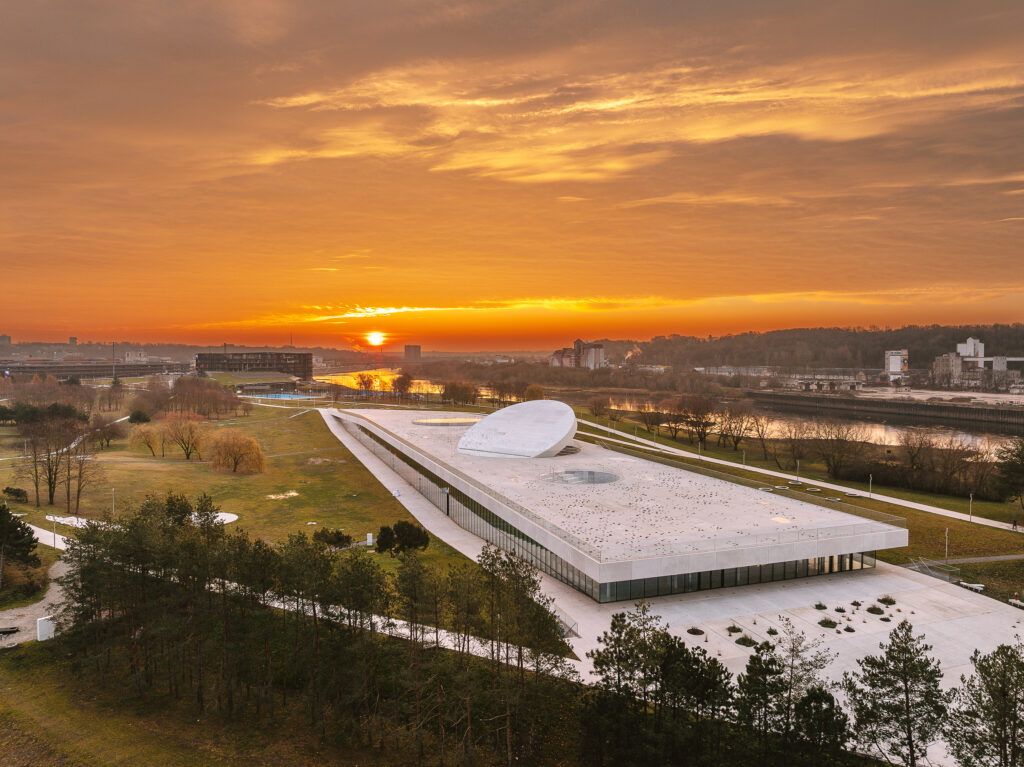
See more images…

Completed IMEX by Tuck Hinton Architects. Photo courtesy Anecdote
It is not often that we look back to a competition that occurred three decades ago that was also covered in detail by COMPETITIONS (Vol. 4, #4; pp. 14-27). What made the Chattanooga IMAX different back in 1994 was that the article covering that competition was authored by Prof. Marleen Davis, then Dean of the University of Tennessee’s School of Architecture and a member of the jury panel. This was not just a short article, covering the high points of the competition with a few talking points about the winning design. This 4,000+ word document also described in detail the jury’s observations about all the finalists, including the honorable mentions—one of the few times we have gained such a detailed glimpse in this country from the inside of the competition process.
Read more…
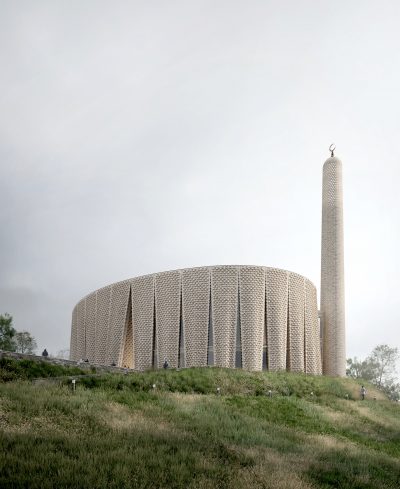
Winning entry by Luca Poian Forms Image ©Filippo Bolognese images
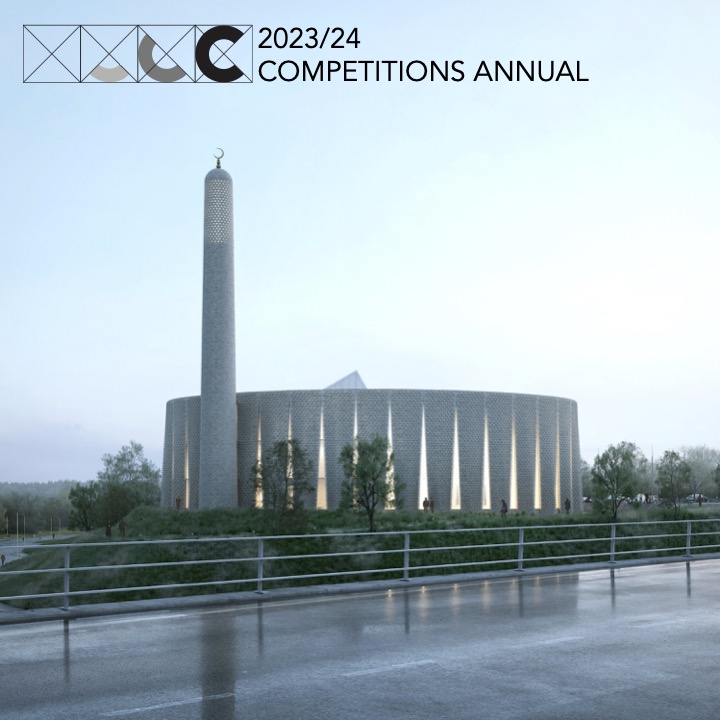
Good design seldom happens in a vacuum. And so it was with an international competition for a new mosque in Preston, U.K. A mid-sized city of 95,000, and located in Lancashire near the west coast and almost equally distant from London and Glasgow, Preston has a storied past, going all the way back to the Romans and the late Middle Ages, where it was the site of significant battles. During the Industrial Revolution, the city prospered, and it was not until after World War II that Preston experienced the British version of the U.S. Rust Belt. In the meantime, the city has experienced an upswing in economic activity, with an unemployment rate of only 3%. Aside from the appearance of new industries, the city has benefitted from the establishment of Central Lancashire University (CLU), which employs over 3,000 faculty and staff, and, as such, is one of the regions major employers. Any new university requires new facilities, and one of the most outstanding examples of this at CLU was the new Student Centre and Plaza, a result of a 2016 RIBA-sponsored competition won by Hawkins/Brown
Read More
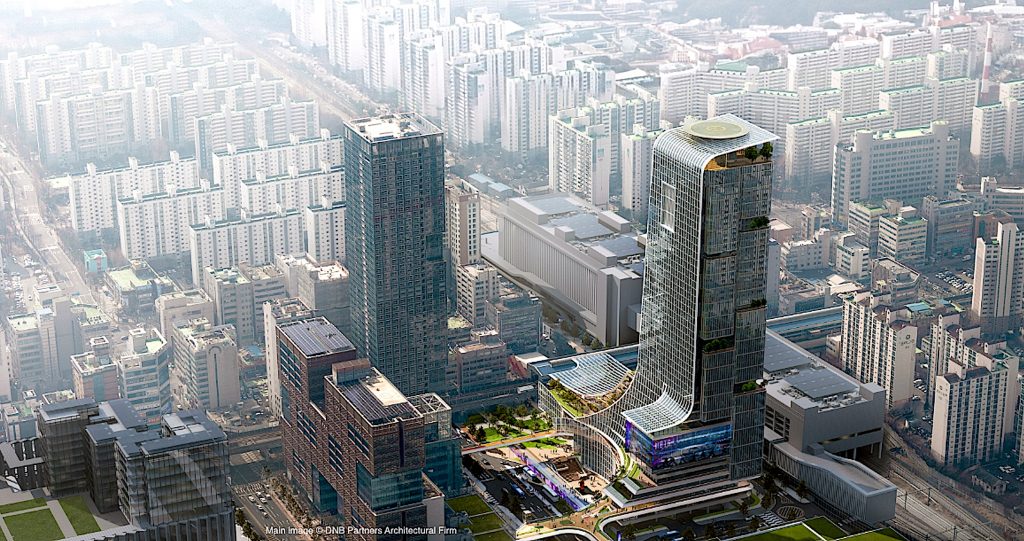
Changdong Station winner – image ©D & B Partners Architects
Whereas international competitions for real projects have become a rarity lately, Korea is a welcome exception. Among the plethora of competition announcements we receive almost weekly, several have ended with foreign firms as winners. But the history of welcoming international participants does go back several years. One notable early example was the Incheon Airport competition, won by Fentress Bradburn Architects (1962-70).
Among the more recent successes of foreign firms was the Busan Opera House competition, won by Snøhetta (2013-) and the Sejong Museum Gardens competition, won by Office OU, Toronto (2016-2023).
Read more…
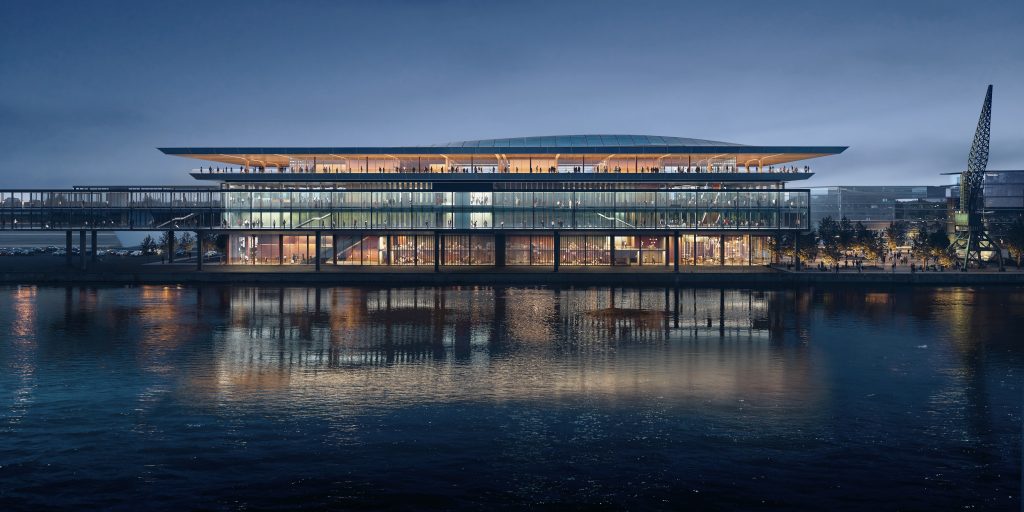
1st Place: Zaha Hadid Architects – night view from river – Render by Negativ
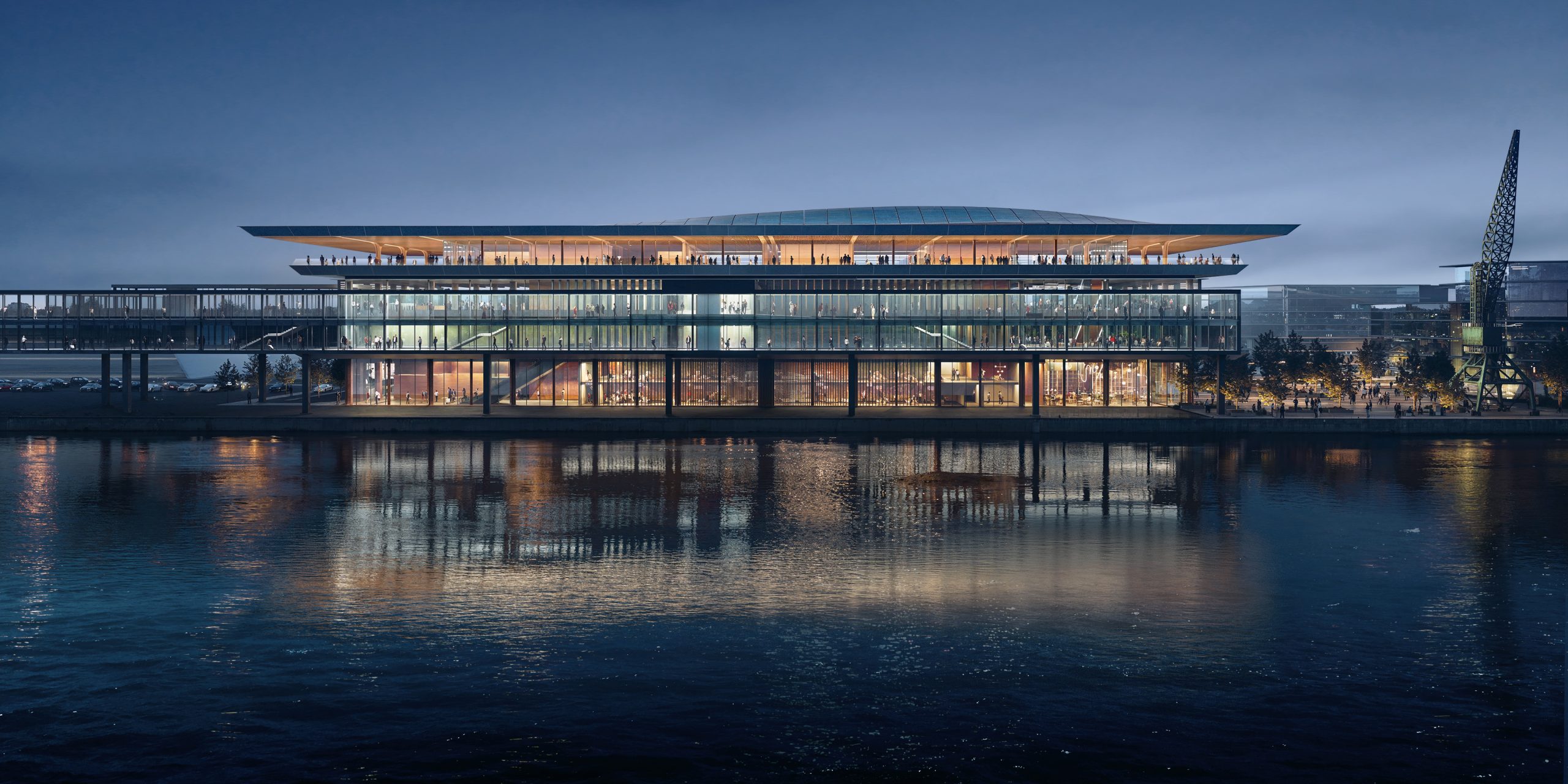
Arriving to board a ferry boat or cruise ship used to be a rather mundane experience. If you had luggage, you might be able to drop it off upon boarding, assuming that the boarding operation was sophisticated enough. In any case, the arrival experience was nothing to look forward to. I recall boarding the SS United States for a trip to Europe in the late 1950s. Arriving at the pier in New York, the only thought any traveler had was to board that ocean liner as soon as possible, find one’s cabin, and start exploring. If you were in New York City and arriving early, a nearby restaurant or cafe would be your best bet while passing time before boarding.
Read more…
|