National Library of Korea Data Preservation Center Competition
Winning entry – Timeless Corridor’ of Shinhan Architects & Engineers Co., Ltd. (principal, Kim Sanghoon) and D&B architecture design group (principal, Cho Doyeun)
Retrofitting existing buildings is nothing new. The abandonment of old factory structures, especially in the northeast of the U.S., has
Read more…
Theodore Roosevelt Presidential Library Competition
Aerial view ©Snøhetta
Until now, the establishment of presidential libraries at the conclusion of their terms has followed the founding of the Franklin Delano Roosevelt Library after World War II. The first exception to this was the Herbert Hoover Presidential Library, established in 1962.* Now a
Read more…
1st Place – gmp Architekten Photo: ©Hans-Joachim Wuthenow, Berlin
As part of a policy to relocate archives of local interest outside of major Bavarian cities, a competition was staged for the design of a new archive in Kitzingen, 12 miles from the provincial capital city of Würzburg, Germany. The competition was
Read more…
Southern Branch of the National Central Library and National Repository Library, Taiwan
Image: courtesy Taiwan National Central Library ©BAF
The primary reason for establishing a “Southern Branch” of Taiwan’s National Central Library And National Repository Library was logical: the main National Central Library was running out of space to
Read more…
Creating a Culture Cluster

©Azusa Sekkei
Located in the Zhongzheng Arts District of Taoyuan, the new city public library, to be situated next door to the Taoyuan Arts Center, is the newest building block in what is intended to become a cultural center in the city. No longer just a book repository, libraries have embraced the digital age and are now providing additional activities for the community such as lectures, occupational therapy (OT) projects, theme restaurants, etc. In the case of the Taoyuan City Library, a cinema is also to be added.
The competition for this US$60 million project was organized as an invited, one-stage competition—not counting the initial short-listing phase—which concluded with the selection of 10 firms. In the first, “tender” phase, a local Taiwanese firm could, but was not required to, team up with a foreign architecture firm. In any case, the “Representative Tenderer had to be a registered architect in Taiwan, but were encouraged to invited international architects to join with them. Thus, foreign firms, not registered in Taiwan, were not allowed to enter without teaming up with a domestic firm.
The ten local “tenderers” were:
- Habitech Architects
- Bio-Architecture Formosana
- HCW Architects & Associates
- M.H. WANG Architects and Associates
- Chien Architects & Associates
- Imagineering Architects (Taiwan)
- T.C.K. Architect Engineer Planner
- Q-LAB
- Cosmos International
Although we do not know who the five local unranked firms teamed up with during the final adjudication process, three of the five finalists teams did include outside participation, including that of the winner.
■ First place – T.C.K. Architect Engineer Planner + Azusa Sekkei (Japan)
■ Second place – Ricky Liu & Associates (Taiwan)
■ Third place – Habitech Architects + Tange Associates (Japan)
■ Fourth place – Bio-Architecture Formosana + MVRDV (Netherlands)
■ Fifth place – Q-LAB (Taiwan)
Although one outside structural engineer, Abolhassan Astaneh-Asl, a professor at Berkeley, was originally scheduled to participate on the jury, the catastrophic collapse of a highrise in Teheran caused by a fire, resulted in his call to investigate the disaster. Still, one should note that five of the eight panelists were architects from Taiwan.
Read more…
Winning entry by Stewart Hollenstein Image©Stewart Hollenstein
When reaching a final decision on the winner of a design competition in Sydney, Australia, clients and jurors alike will invariably hark back to the controversy surrounding the Sydney Opera House competition. Because of the large cost overruns associated with that project, it has cast a long shadow over local projects decided by the design competition process. With this in mind, organizers of the more recent Green Square Library competition went to great lengths to address buildability and budget issues associated with the various designs. Their precautionary measures seemed to validate the selection of Stewart Hollenstein as the winner. As unconventional as that entry might have appeared to some, it not only got the green light from a bevy of cost consultants who were brought on board; the feedback from the community turned out to be very positive.
Read more…
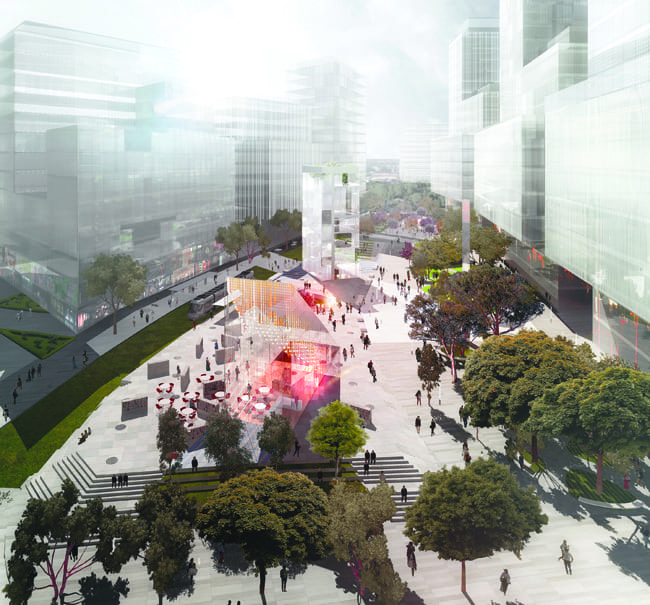
Winning entry by Zhu Wenyi, Fu Junsheng, and Liang Yiang (all images courtesy of the CAC)
During the 2008 presidential campaign, there was the perception that a Barack Obama presidency would usher in an era of new ideas. Years later, there has been some isolated progress, but partisan politics has limited any wiggle room an Obama presidency might have enjoyed. Still, there is a hope for a final decision by this president that could set a precedent for the foreseeable future: a design competition for a presidential library. A successful national competition for such a project could set an example to be emulated many times over at state and municipal levels by a tested democratic process.
Although the site of a Barack Obama Presidential Library has not yet been determined, the list has been whittled down to three possibilities: Chicago, New York and Hawaii. Although Hawaii is the President’s birthplace, and New York would have a large number of visitors, Chicago would seem to be the logical favorite, as it is the place where Obama’s political future began in its meteoric rise, culminating in his election to the nation’s highest office.
A lot has happened in Chicago as both government and the University of Chicago have taken steps to prepare for the city’s bid. A recent article has described aggressive real estate purchases by the University starting in 2008, including an entire block along Martin Luther King Jr. Drive. These could well be attributed to future expansion plans by the University into an adjoining neighborhood, near Washington Park. But many see these real estate acquisitions as part of a strategy to assure the library’s location near the university, where Obama briefly taught in the Law School before going to Washington. In any case, the City also regards the Washington Park and Jackson Park locations on the South Side as the most logical sites for the library.
With the prospect of a presidential library in Chicago, the Chicago Architecture Club (CAC) could not resist staging an ideas competition with the design of an Obama library as the design challenge. As the 2014 Chicago Architecture Prize, this has become an annual event for the CAC, and this time they picked an obvious subject as a winner. Aside from a designated site on the Chicago River, the program was flexible, and participants were asked to fill in the blanks themselves. Although the prize money was relatively modest, the subject matter had to be tantalizing for potential participants. The jury was local, consisting of architects from several of the city’s major firms:
• Andy Metter (Epstein)
• Brian Lee (SOM)
• Dan Wheeler (Wheeler Kearns Architects)
• Elva Rubio (Rubio Studio)
• Geoffrey Goldberg (G. Goldberg + Associates)
• Stanley Tigerman (Tigerman McCurry Architects)
ÂÂÂÂÂÂÂ
The results of the competition revealed that the competition was highly successful, in that it elicited a range of ideas, which were not only at the highest creative level, but quite doable.
The two winning entries were by:
• Zhu Wenyi, Fu Junsheng, and Liang Yiang, Beijing, China
• Aras Burak Sen, Los Angeles/UAE (OMA)
Honorable Mentions
Dániel Palotai, Budapest, Hungary
Drew Cowdrey and Trey Kirk, Boston (Harvard GSD)
Ann Lui and Craig Reschke, Boston (Harvard GSD)
Read more…
An Academic Cluster Pointing to the Future
The Vienna School of Economics Campus Plan
By Stanley Collyer
School of Economics Library by Zaha Hadid (all photos by Stanley Collyer)
At the turn of the 21st Century, the Vienna School of Economics (Wirtschaftsuniversität Wien), the largest of its kind in Europe, was bursting at the seams. Over 23,000 students were scattered throughout different locatons in the city. When it became obvious that it would be necessary to consolidate the programs at a central location, the decision was made to select an area near the Prater for the new campus—the site of the World Exhibition Area and Fairgrounds. The building program was ambitious, with a number of facilities planned to accommodate all the programs, and the strategy was typically European, as student dormitories were not envisaged as an integral part of the overall campus plan.
To begin with, a local Viennese firm, BUSarchitektur, was engaged to complete a masterplan for the site, and a number of renowned architects were then commissioned to design the various facilities: No.MAD Arquitectos, CRABstudio Architects, Estudio Carme Pinós, Atelier Hitoshi Abe, and BUSarchitektur, the latter local firm being the author of the masterplan.
Read more…

Winning design by Snøhetta (image courtesy Calgary Public Library)
The site of Calgary’s new public library will occupy part of a city block, directly across from the City Hall. One might assume that a project of this size would have deserved a more spacious, flexible site. However, the location the library here was regarded as an important urban statement, not just for downtown Calgary, but also for the East Village neighborhood. That the intended site was also home to a trolley line was not enough to cause the City to abandon this strategy. According to the client, “The location of the new library, adjacent to City Hall, will strengthen the fabric of community life by weaving East Village, the original heart of Calgary, back into the story of Centre City. From this prime location, the library will not only serve Calgary’s growing population but also the 140,000+ workers and students who travel downtown every day.”
Locating a main library in the center of a metropolitan area, regardless of the density issue, is a logical solution. The location of the new Grande Bibliothèque by Patkau Architects in Montreal’s downtown is a great example of what a major public institution can do for a neighborhood. In that case, a nearby Metro line has made the library easily accessible to most of the city’s inhabitants. It can be assumed that the same will hold true for Calgary.
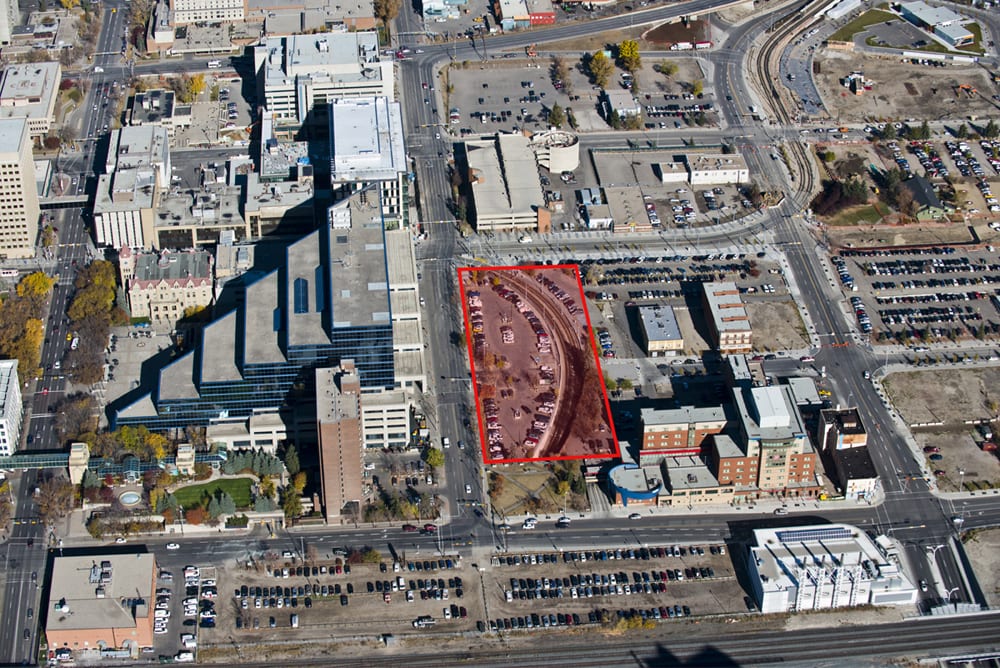
Aerial view of competition site (image courtesy Calgary Public Library)
Background and Process
Due to the oil bonanza in Alberta, Calgary has become one of North America’s fastest growing cities. As a result, the city’s present public library, even after a major expansion, has outlived its usefulness after 50 years. It was time to rethink the institution’s priorities, with the principal idea being the establishment of a new home. Part and parcel of this strategy was the decision to stage a design competition for the new building. In a run-up to this project, a six-month “engagement process” with the public took place, whereby more than 16,500 Calgarians shared their aspirations, hopes and ideas, both online and in person at over 150 events and public forum opportunities. And, if that didn’t result in enough ideas, a new library CEO arrived on the scene with new ideas— in the middle of the process.
After the City entrusted the Calgary Municipal Land Corporation (CMLC) to coordinate and organize the competition, an RfQ was issued as part of a two-stage process that resulted in a response from 38 international firms. From those, four firms were short-listed to proceed to the second, competition stage. They were:
• 3XN and AECOM (Denmark and Calgary)
• KPMB and BKDI (Toronto and Calgary)
• REX and Group2 (New York and Calgary)
• Snøhetta and Dialog (Oslo/New York and Calgary)
During the final presentations, much effort was made to allow each competitor to present their working methodology, more than design an entry. According to juror Ian Chodikoff, “Each finalist was asked some very pragmatic and high-level questions. It was ery revealing and very competitive as a result.”
Kate Thompson of the CMLC, said “they were not searching for someone who specifically had experience in library design, but for a firm that could present a team that could communicate well with the client.” So the choice of Snøhetta, for instance, was not based solely on their broad experience in library design—the firm was formed after winning the 1989 Alexandria Library Competition in Egypt—but on other factors. In the end, it came down to a decision between the two schemes that provided a an opening through the middle of the structure as a connecting visual link between City Hall and the opposite side of the library—Snøhetta and KPMB. According to juror Chodikoff, the KPMB scheme contained a certain amount of risk, for it would have required an additional amount of marketing and fundraising to accommodate a change in the rail grade. Besides, there was a concern as to how much buy-in there would be with the Calgary Transit Authority.
Snøhetta solved the rail transit issue by simply placing a deck on top of the trolley line, thus staying within budget. KPMB’s scheme, as well as it dealt with the site, stumbled on that old bugaboo, budget. Both REX and 3XN evidently did not consider a view through the site as a deal breaker. Accordingly, their schemes both represented a “barricade” in the minds of the selection committee. In its final development scheme, Snøhetta’s sculptural image promises to deliver not only a fine library, but something truly iconic for the city to enjoy.
Aside from the features of the Snøhetta design, which gave it an edge over the other finalists, there can be little doubt that the client felt a degree of comfort with their commitment to the project. According to Chodikoff, Craig Dykers had been to Calgary several times to lecture and had gained an understanding of the local culture. It was apparent, “if there were going to be hiccups along the road, he was there to go the distance.”
This was not the case with all the competitors. Most of the finalists came in with teams, while one team came with a sole presenter. In one case, one of the team members was even seen checking his/her Blackberry while the proposal was under discussion.
Read more…
A Library as Ultimate Building Block
The Helsinki Library Competition
by William Morgan
Winning entry by ALA
2017 will mark one hundred years of Finland’s independence from Russia. It says much about the culture of this small but vibrant Nordic country that its official centennial project is not a trade center, a conventional hall, an arena, or a war memorial, but a library. Even better, this most architecturally astute nation has chosen the designers of this new library from an international open competition.
Read more…
|
San Jose’s Urban Confluence Winner Cancelled
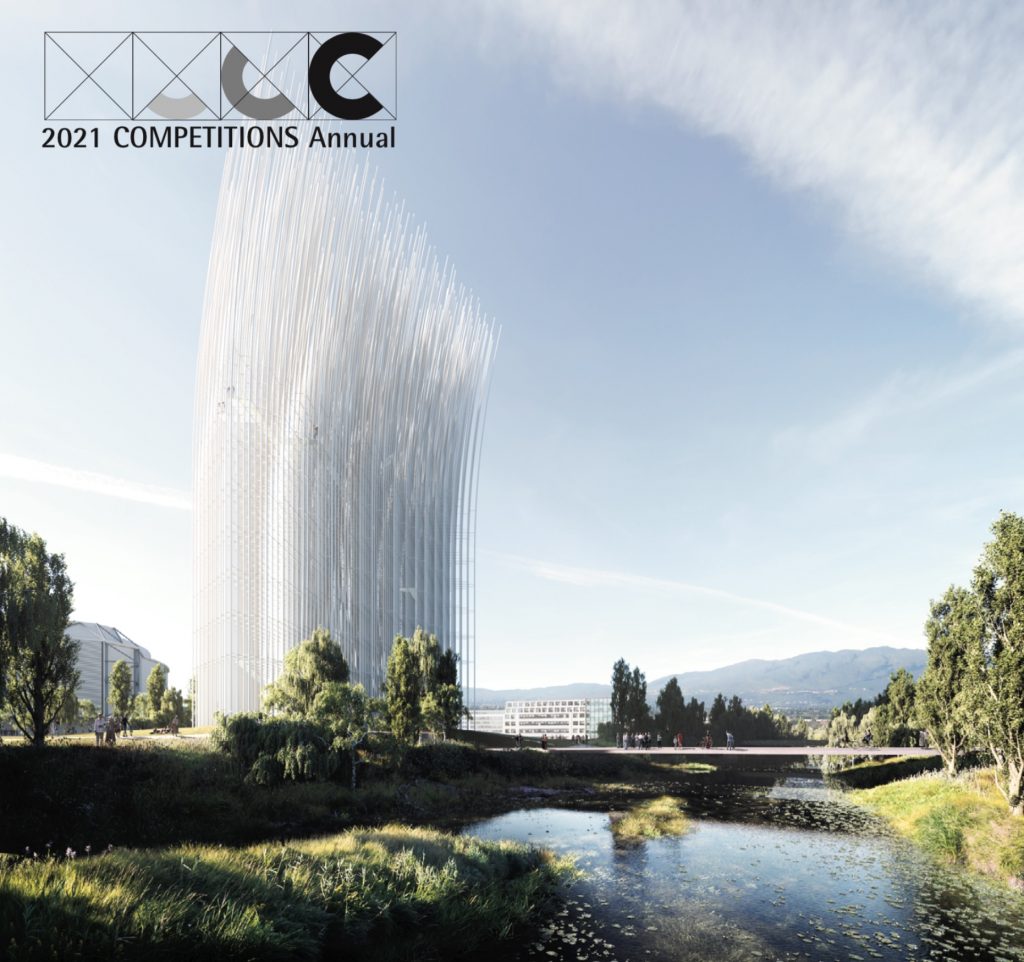
This week we received the news that the winning design for San Jose’s Urban Confluence competition by SMAR Architecture Studio has been cancelled. This comes after the original competition site was abandoned in favor of one more centrally located in downtown San Jose, Plaza de César Chávez. We can only assume that even this wasn’t enough to generate enough interest from major donors. From the very beginning of the competition, it appeared that the enthusiasm of those sponsoring the competition might be lacking links to potential donors with deep pockets—the hi-tech firms in Silicon Valley. After the competition resulted in a design that certainly entailed a major budget, the project had to be in trouble. The competition did produce a remarkable design; but this turned out to be another case where a competition, intended to generate enough public interest to fund a major project, came up short. -Ed
“A Museum for All”
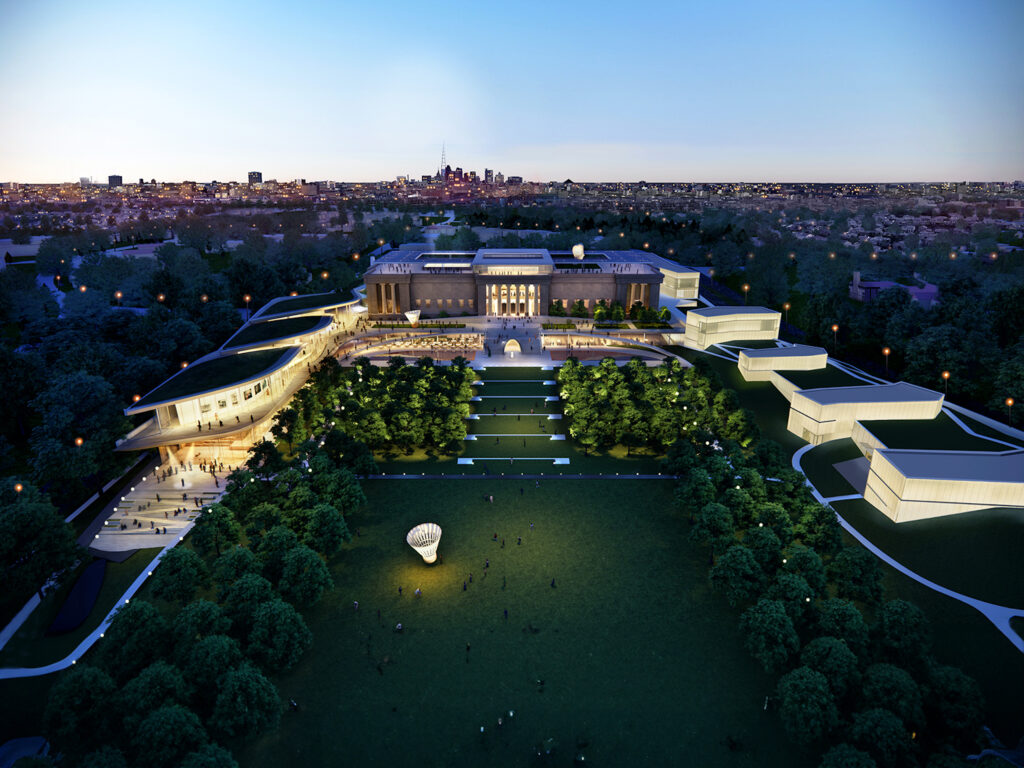
Winning entry by Weiss/Manfredi Landscape Architecture and Urbanism
Background
The Nelson-Atkins Museum of Art’s slogan “Creating a Museum for All” certainly reflects the efforts of many art museums to counter the notion that art museums exist primarily to cater to an elitist few. But one should note that this competition for an expansion of the museum’s capacity to serve a wider audience saw an initial step in this direction with the 1999 competition resulting in the Steven Holl addition, a series of pavilions stretching down one side of the large lawn area..
Read more…
Preparation and Organization of Design Competitions
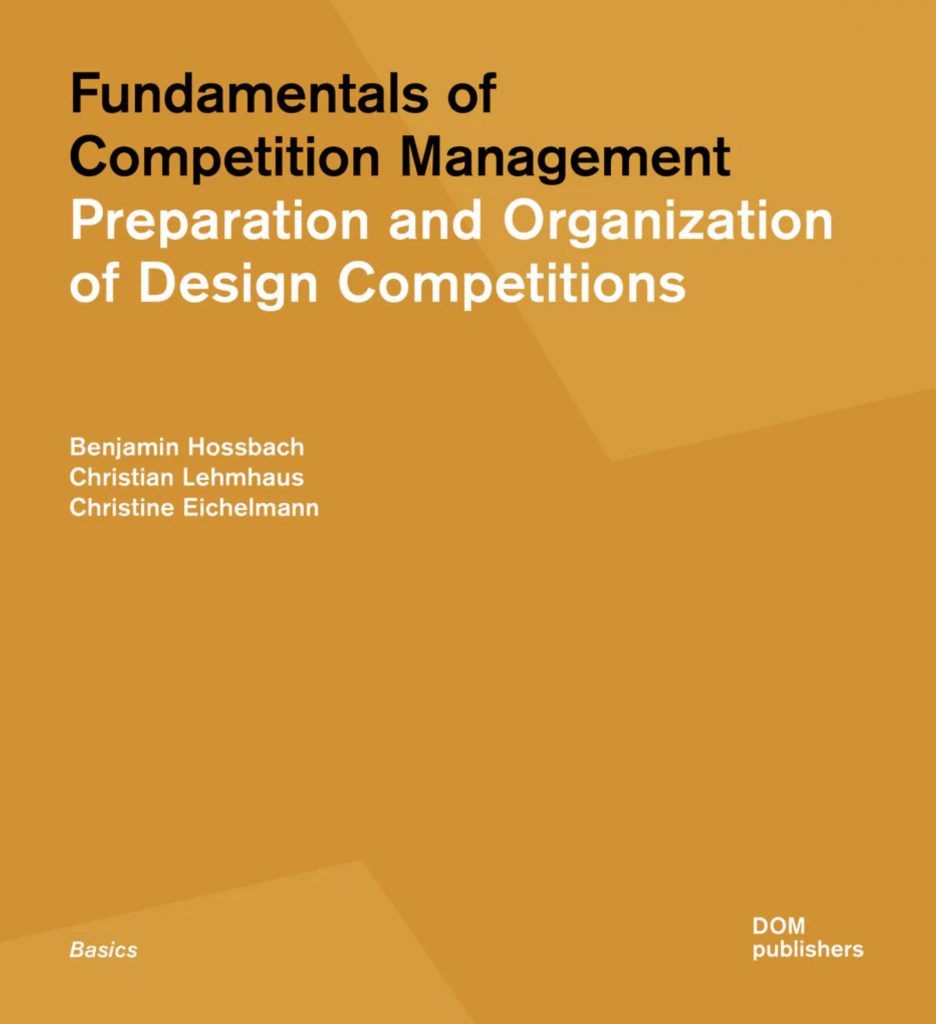
[phase 1] Benjamin Hossbach / Christian Lehmhaus / Christine Eichelmann
210 × 230 mm, 192 pp.
over 600 images
softcover
ISBN 978-3-86922-316-2 (English)
ISBN 978-3-86922-240-0 (German)
Dom Publishers
€48 in EU (For price abroad, see below)
Founded in 1998 in Berlin, Phase 1 has been a principal player in the organization and facilitation of design competitions, not only in Germany, but abroad as well. The accomplishments of the firm have been well documented in three volumes—The Architecture of Competitions—beginning in 2i006. Whereas these books mainly focused on the results of the competitions they have administered, the present work, Fundamentals of Competition Management, takes one from the very beginnings of the competition process to its conclusion. The authors envisioned the publication as “three three books in one: one „blue book“ with example projects, one „yellow book“ with statements and the „white book“ with the actual guideline to competition management.”
Although there have been a number of handbooks covering the administration of designcompetitions a study covering the entire process in such detail is a welcome addition to the the literature in this field. As a contribution to this important democratic process that has yielded exceptional design for decades, this volume is not only valid for Europe, but a current overview of the process for those globally who wish to raise the level of design by virtue of a design competition. -Ed
Foreign institutions wishing to obtain a copy of the book will recieve a discount to cover the cost of foreign shipping.
To obtain a copy for that offer, go to: accounting@phase1.de
Since the recent realization of SMAR Architecture’s winning design we have now received images from a professional photo shoot. As an open competition for one of the more important projects in Europe at the time, we feel that full documentation of the process from start to finish was an important page in the history of architecture in the early 21st century. Documentation by us during the 2017 competition, with images from all finalists from the 144 entries is available at:
/competitions-static/2020/11/science-island-design-competition-finalists/
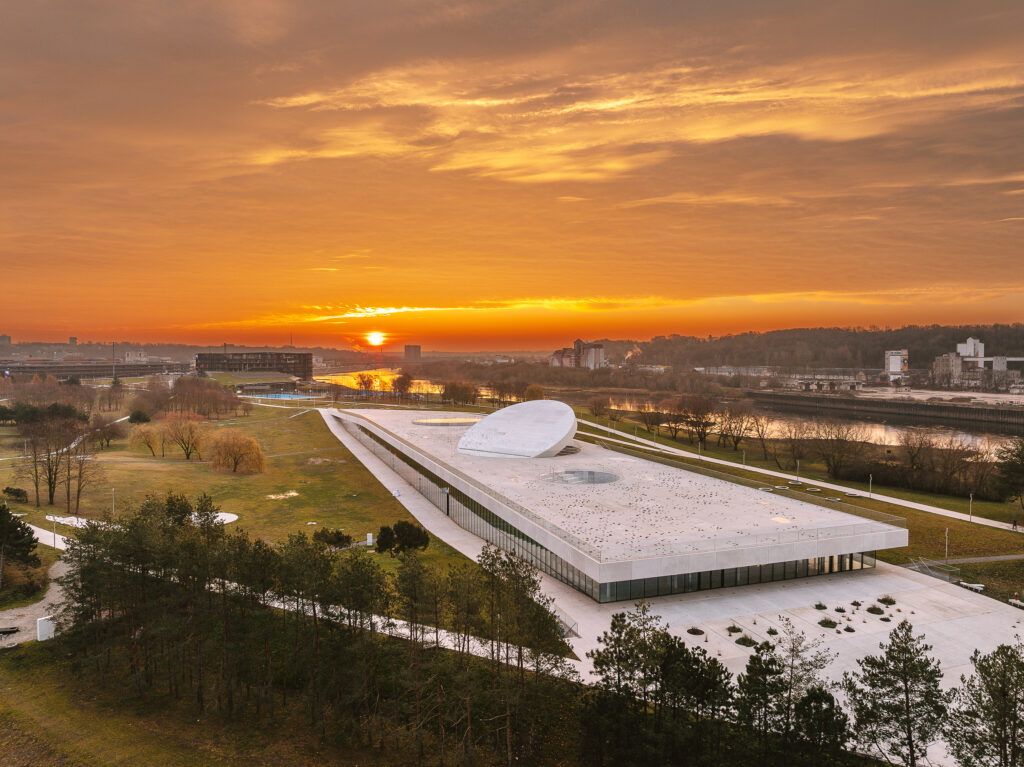
See more images…

Completed IMEX by Tuck Hinton Architects. Photo courtesy Anecdote
It is not often that we look back to a competition that occurred three decades ago that was also covered in detail by COMPETITIONS (Vol. 4, #4; pp. 14-27). What made the Chattanooga IMAX different back in 1994 was that the article covering that competition was authored by Prof. Marleen Davis, then Dean of the University of Tennessee’s School of Architecture and a member of the jury panel. This was not just a short article, covering the high points of the competition with a few talking points about the winning design. This 4,000+ word document also described in detail the jury’s observations about all the finalists, including the honorable mentions—one of the few times we have gained such a detailed glimpse in this country from the inside of the competition process.
Read more…
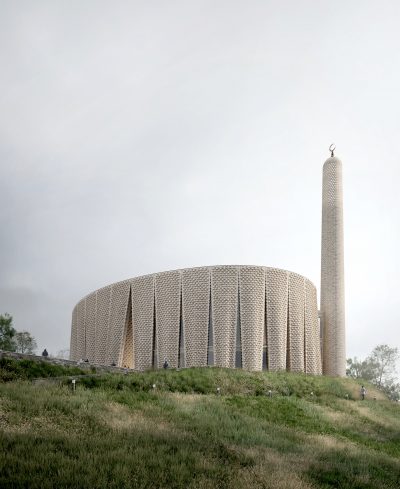
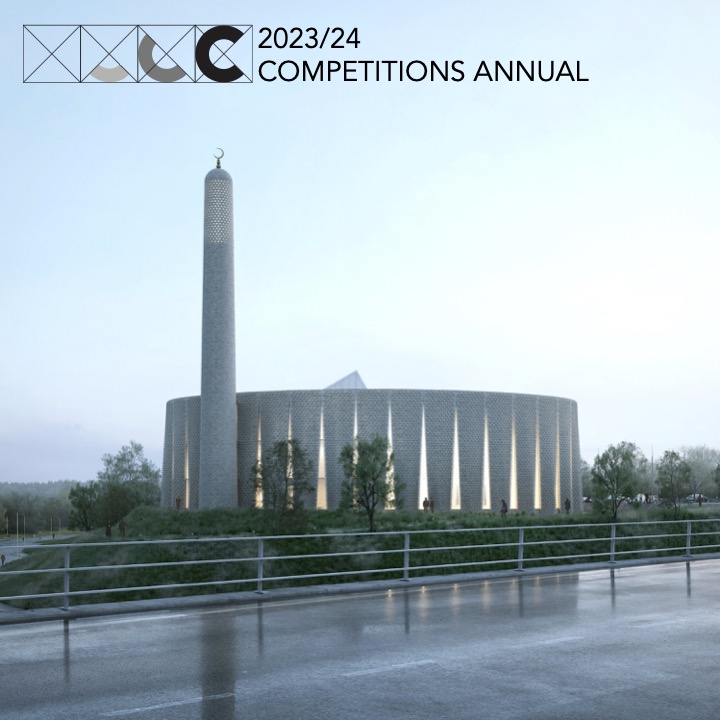
Winning entry by Luca Poian Forms Image ©Filippo Bolognese images
Good design seldom happens in a vacuum. And so it was with an international competition for a new mosque in Preston, U.K. A mid-sized city of 95,000, and located in Lancashire near the west coast and almost equally distant from London and Glasgow, Preston has a storied past, going all the way back to the Romans and the late Middle Ages, where it was the site of significant battles. During the Industrial Revolution, the city prospered, and it was not until after World War II that Preston experienced the British version of the U.S. Rust Belt. In the meantime, the city has experienced an upswing in economic activity, with an unemployment rate of only 3%. Aside from the appearance of new industries, the city has benefitted from the establishment of Central Lancashire University (CLU), which employs over 3,000 faculty and staff, and, as such, is one of the regions major employers. Any new university requires new facilities, and one of the most outstanding examples of this at CLU was the new Student Centre and Plaza, a result of a 2016 RIBA-sponsored competition won by Hawkins/Brown
Read More
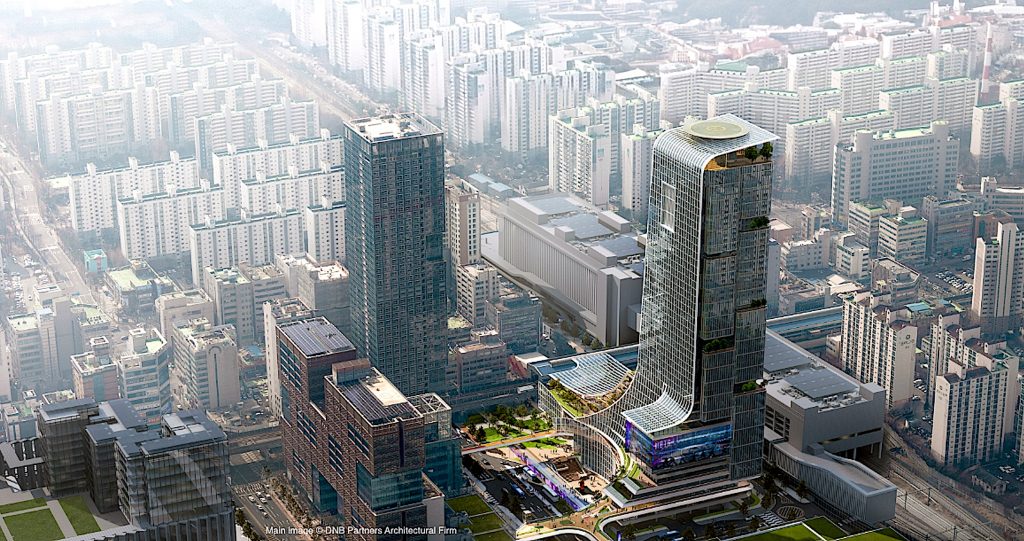
Changdong Station winner – image ©D & B Partners Architects
Whereas international competitions for real projects have become a rarity lately, Korea is a welcome exception. Among the plethora of competition announcements we receive almost weekly, several have ended with foreign firms as winners. But the history of welcoming international participants does go back several years. One notable early example was the Incheon Airport competition, won by Fentress Bradburn Architects (1962-70).
Among the more recent successes of foreign firms was the Busan Opera House competition, won by Snøhetta (2013-) and the Sejong Museum Gardens competition, won by Office OU, Toronto (2016-2023).
Read more…
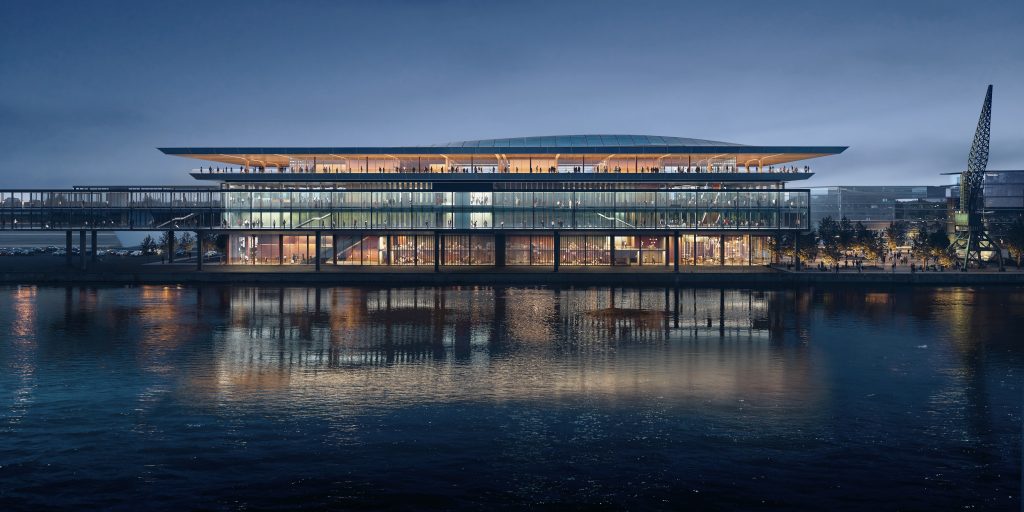
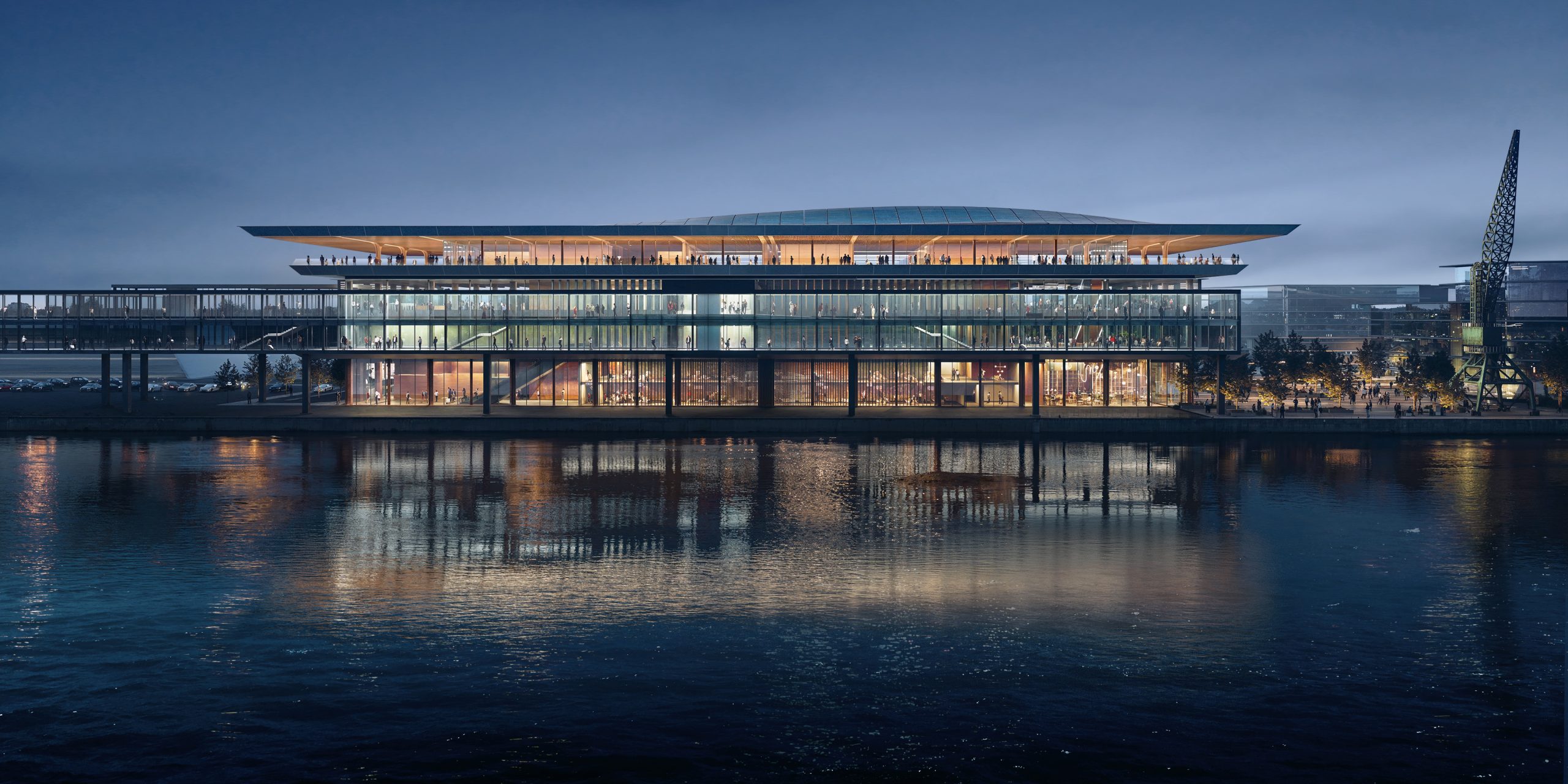
1st Place: Zaha Hadid Architects – night view from river – Render by Negativ
Arriving to board a ferry boat or cruise ship used to be a rather mundane experience. If you had luggage, you might be able to drop it off upon boarding, assuming that the boarding operation was sophisticated enough. In any case, the arrival experience was nothing to look forward to. I recall boarding the SS United States for a trip to Europe in the late 1950s. Arriving at the pier in New York, the only thought any traveler had was to board that ocean liner as soon as possible, find one’s cabin, and start exploring. If you were in New York City and arriving early, a nearby restaurant or cafe would be your best bet while passing time before boarding.
Read more…
|