


























2023 Teaching and Innovation Farm Lab
Graduate Student Honor Award
University of Southern California (USC)
Architecture at Zero competitions, which focus on the themes, Decarbonization, Equity and Resilience in California, have been supported by numerous California utilities such as Southern California Edison, PG&E, SoCAl Gas, etc., who have recognized the need for better climate solutions in that state as well as globally. Until recently, most of these competitions were based on an ideas only format, with few expectations that any of the winning designs would actually be realized. The anticipated realization of the 2022 and 2023 competitions suggests that some clients are taking these ideas seriously enough to go ahead with the projects.
Here it should be noted that a state grant of $40M to help support projects of this nature in the Valley resulted in a logical institutional fit, both for organizing a design competition, as well as carrying through the idea to its ultimate completion. The 2022 Architecture at Zero Competition, which focused on housing for farm workers in California’s Central Valley, awarded a commission to Fresno based Paul Halajuan Architects, one of three highly ranked firms receiving a “merit award” in that competition.
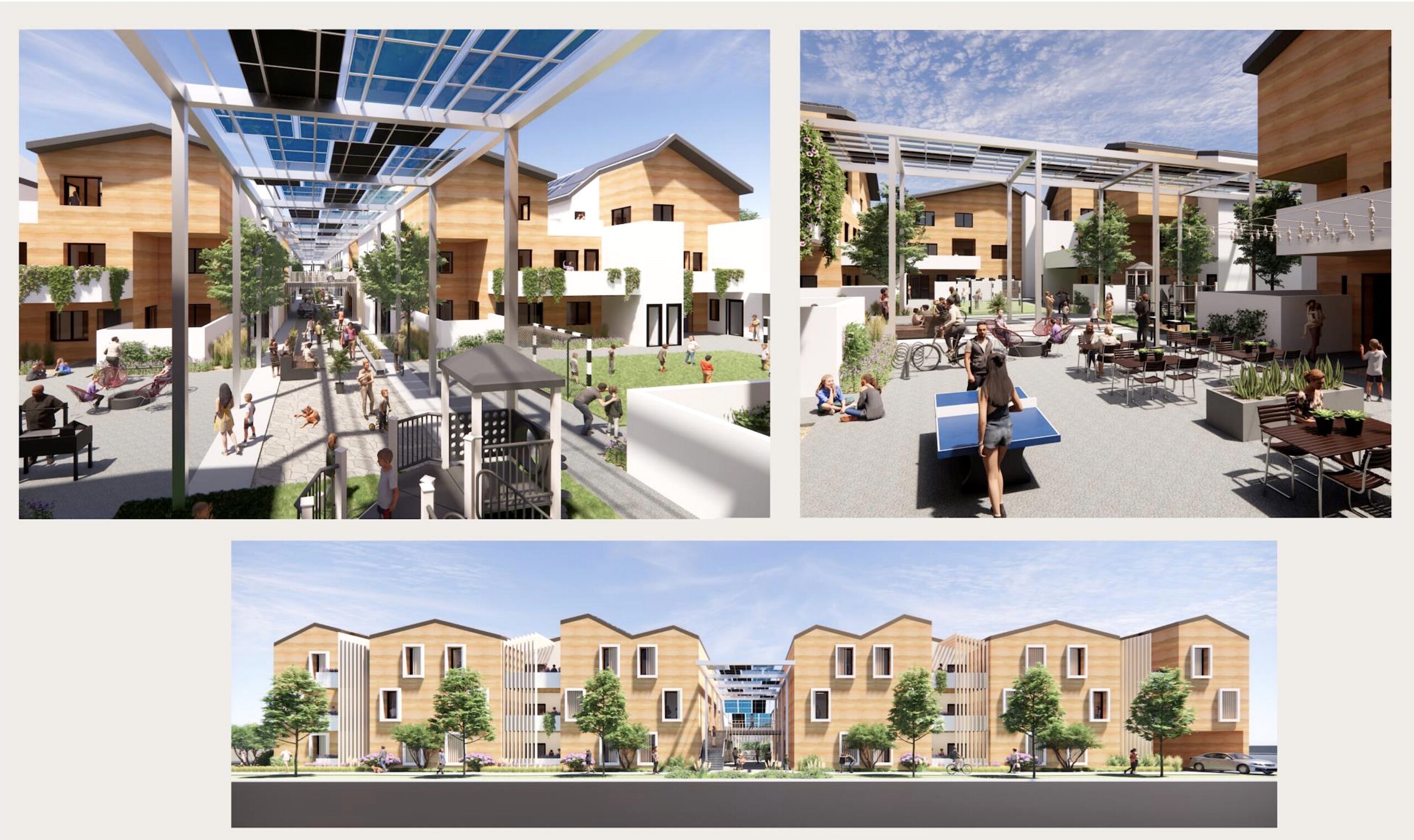
2022 Farm Worker’s Housing in Central Valley
Merit Award
Paul Halajuan Architects
Fresno, CA
The 2023 Net Zero Farm Lab Competition
Settled by African American pioneers in 1908, the settlement of Allensworth, located in California’s Central Valley, initially became a viable farming community under the leadership of Civil War veteran, Lt. Col. Allen Allensworth. The intention of this “utopian” idea was to provide black farmers with an environment where they could prosper without exposure to a racist ideology. After successful beginnings, Allensworth was beset by several unfortunate events that reduced it from a prosperous farming community to a roadside curiosity. From the original 2,700 acres, it today measures only 240 acres. Of course droughts and a declining water table have also contributed mightily to its decline; but the move of the Santa Fee Railroad’s station, which had served the community since its founding, to a neighboring white town, probably did just as much to contribute to Allensworth’s decline. Added to this was the unfortunate accidental death of Allensworth himself, hit by a car in 1914—the same year that the railroad stop was moved. At that time the community not only had a general store (1910), but a functioning library, post office, and a new two-room school. Former dreams of attracting a university to Allensworth, were just that, and nothing more.
The community had become a shadow of its former self, when in the mid-70s, California State Parks restored several buildings and declared Allensworth a historic landmark. But, minus a major attraction, there has been little at the present to make Allensworth a point of interest for outsiders. On the other hand, with these improvements, support emerged for the development of a visitors center and updating of the campground facilities. The interest of a descendent of an Allensworth resident in farming led to his visit to the Center for Land Based Learning and their support to tap the $40 million grant for an agriculture program. Always looking for a new topic as a theme for one of its annual competitions, Architecture at Zero took notice of this program and brought the community to the table as part of its 2023 Architecture at Zero competition. As a competition theme they settled on “Designing a teaching and innovation lab that will help the community become a destination for sustainable agriculture.
The 2023 competition focused on the design of a Teaching & Innovation Farm Lab, located in the Central Valley, north of Bakersfield. The news concerning that project, released by the Allensworth Progressive Association (APA), is that several of the Professional and Student teams from the competition have been interviewed to discuss their entries in more detail. At this stage the APA is concentrating on refining the building program and developing a fundraising plan. Since the client already had been promised $12 million for implementation of the project, one might assume that additional funding is intended to secure the stability of the project well into the future. The community had become a shadow of its former self, when in the mid-70s, California State Parks restored several buildings and declared Allensworth a historic landmark. But, minus a major attraction, there has been little at the present to make Allensworth a point of interest for outsiders. The interest of a descendent of an Allensworth resident in farming led to his visit to the Center for Land Based Learning and their support to tap the $40 million grant for an agriculture program. Always looking for a new topic as a theme for one of its annual competitions, Architecture at Zero took notice of this program and brought the community to the table as part of its 2023 Architecture at Zero competition. As a competition theme they settled on “Designing a teaching and innovation lab that will help the community become a destination for sustainable agriculture.
The Competition Process
As is always the case with Architecture at Zero competitions, the challenge was open to all ages; but graduate students and professionals were also required to design housing on the site. The submissions of the competitors were to address the following:
– First, create an overall site plan to accommodate the program. Entrants are encouraged to highlight any energy efficiency, renewable energy, energy storage, and carbon reduction strategies or systems shown.
– Second, design the building in detail, demonstrating how the design will result in lower carbon emissions and embodied carbon, and addressing the requirements of the California Title 24 Building Energy Efficiency standards. In order to indicate how the building design will result in lower carbon emissions, entrants will provide required documentation and may also include supplementary documentation.
– Third, describe how this project will build resilience. Entrants will be asked to complete a table outlining the inclusion of climate adaptation strategies and indicate on the site plan or section aspects of design strategies that support resiliency.
– Finally, consider how their design addresses equity for the community. Entrants were asked to write a short essay and indicate on the site plan or section aspects of design strategies that support equity.
Because the funding for this project had already been secured for a real project, the $325 registration fee for professionals could hardly been regarded as exorbitant for most firms. Here it should also be noted, that as in all Architecture at Zero competitions to date, students were free to participate without a registration fee.
The competition jury was composed of:
• Lance Collins, AIA, Director at Partner Energy
• Mary Ann Lazarus, FAIA, Cameron MacAllister Group
• Paul Torcellini, PhD, Principal Engineer, NREL
• Allison G. Williams, FAIA, AGWms _studio
• Margie O’Driscoll, Competition adviser
The final ajudication by the jury was as follows:
Professional Category
Honor Award
Smithgroup
San Diego, CA
Merit Award
HMC
San Diego, CA
Citation Award
Bar Architects and Interiors
San Diego, CA
Graduate Student Honor Award
University of Southern California, Los Angeles
Professional Category
Honor Award
Smithgroup
San Diego, CA






Unless otherwise noted, all above images ©Smith Group
Professionals Category Merit Award
HMC Architects
San Diego, CA




Unless otherwise noted, all above images ©HMC Architects
Professional Category
Citation Award
Bar Architects & Interiors
San Francisco, CA
Unless otherwise noted, all images ©Bar Architects
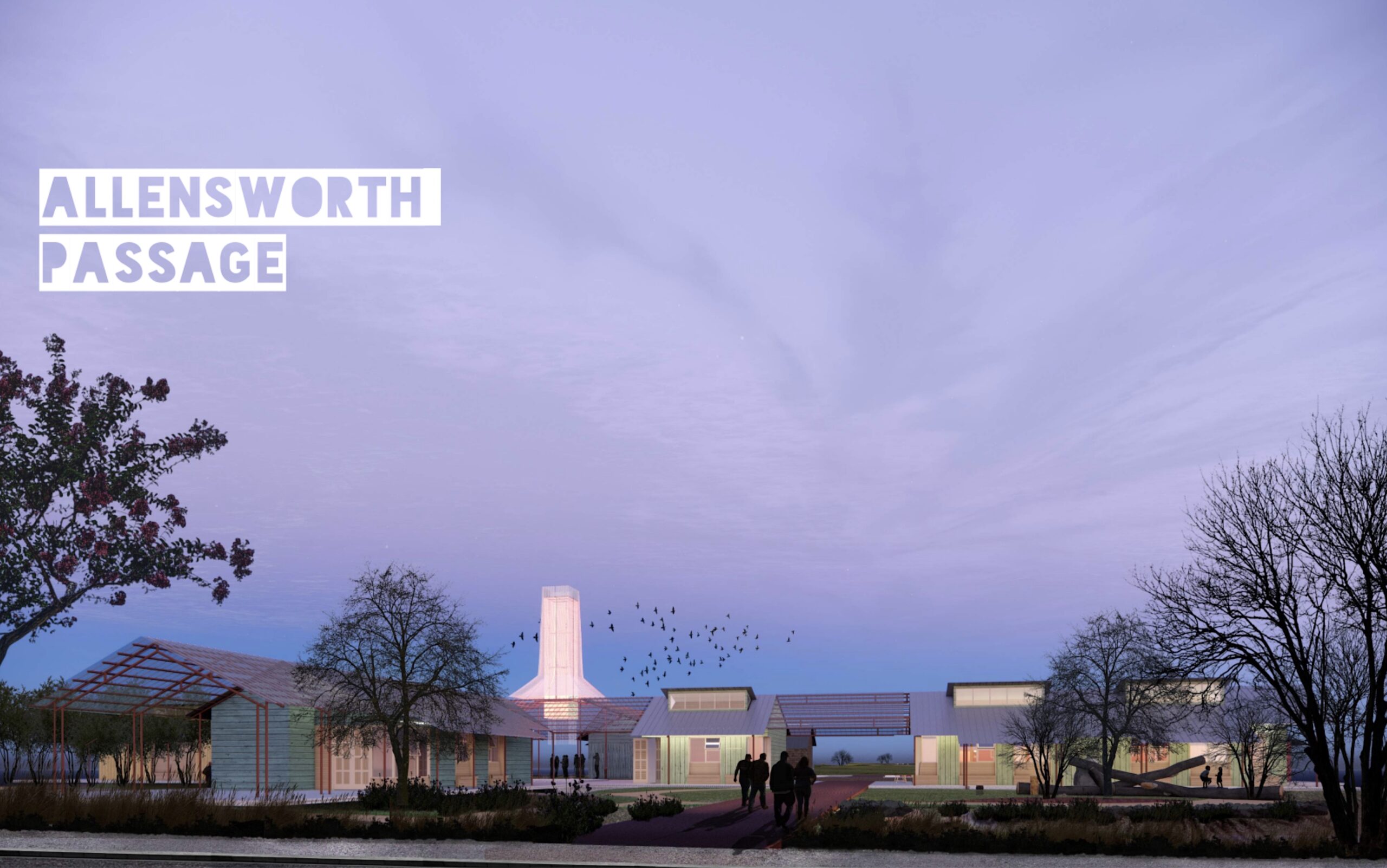
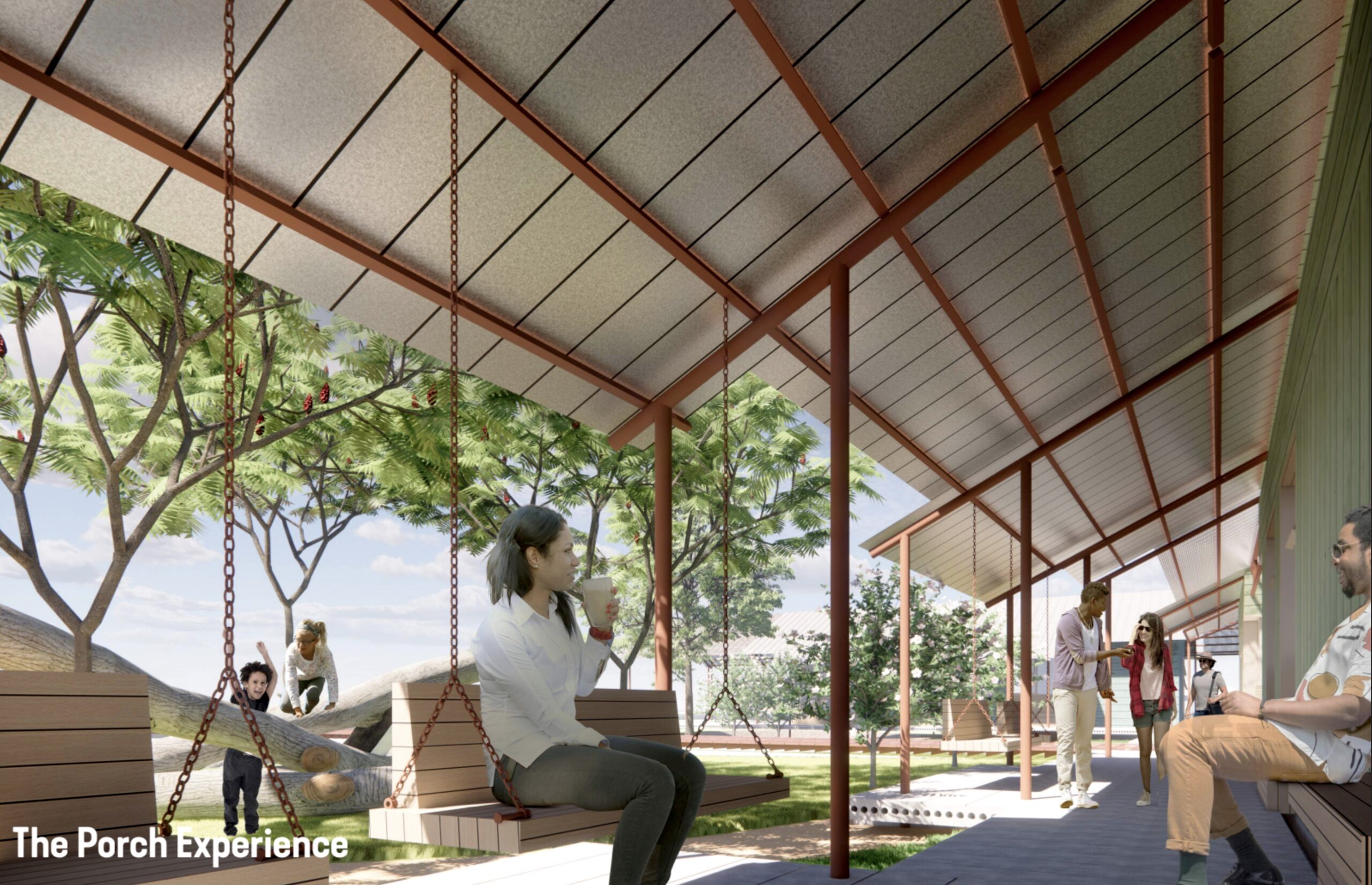
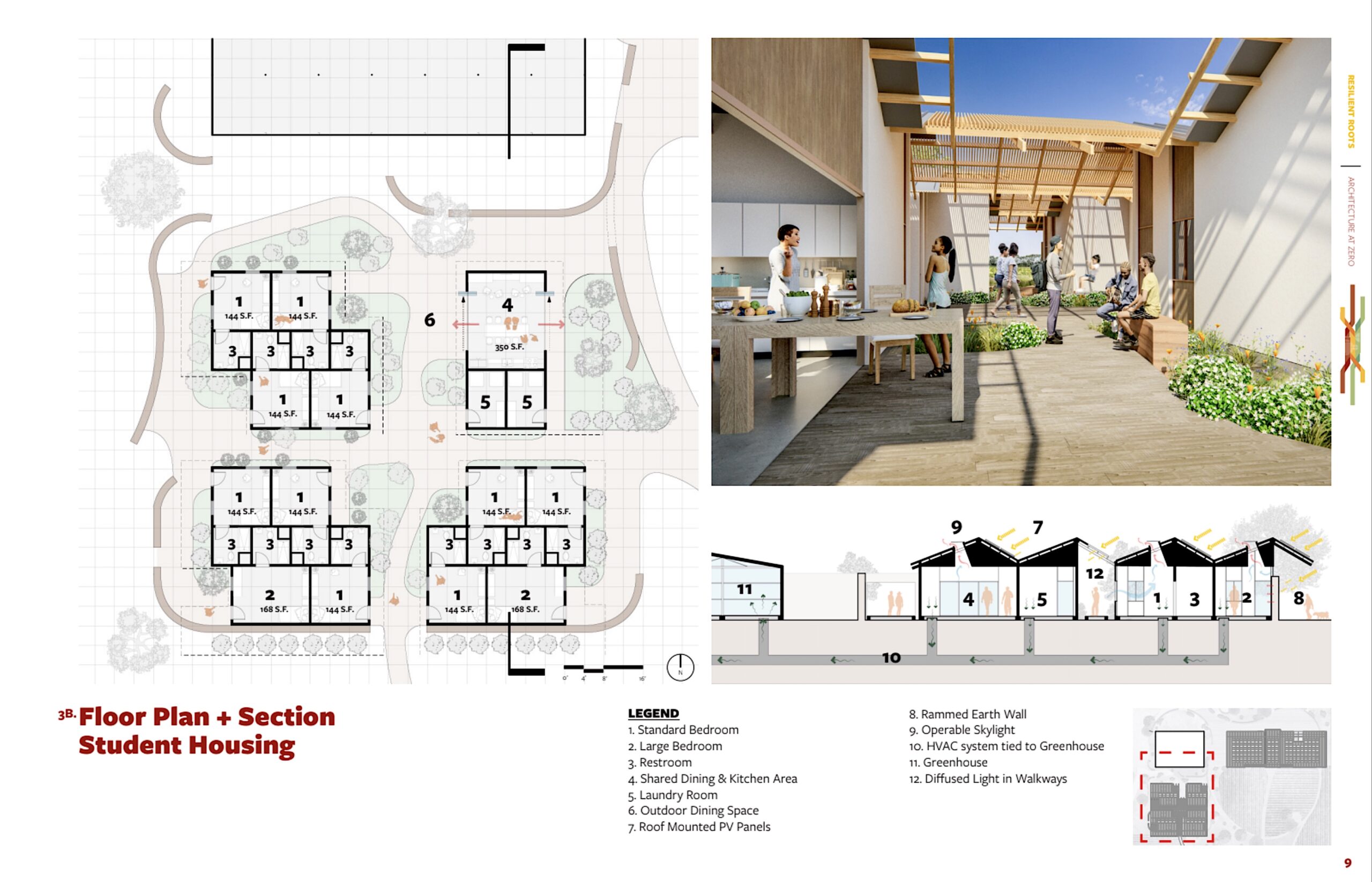
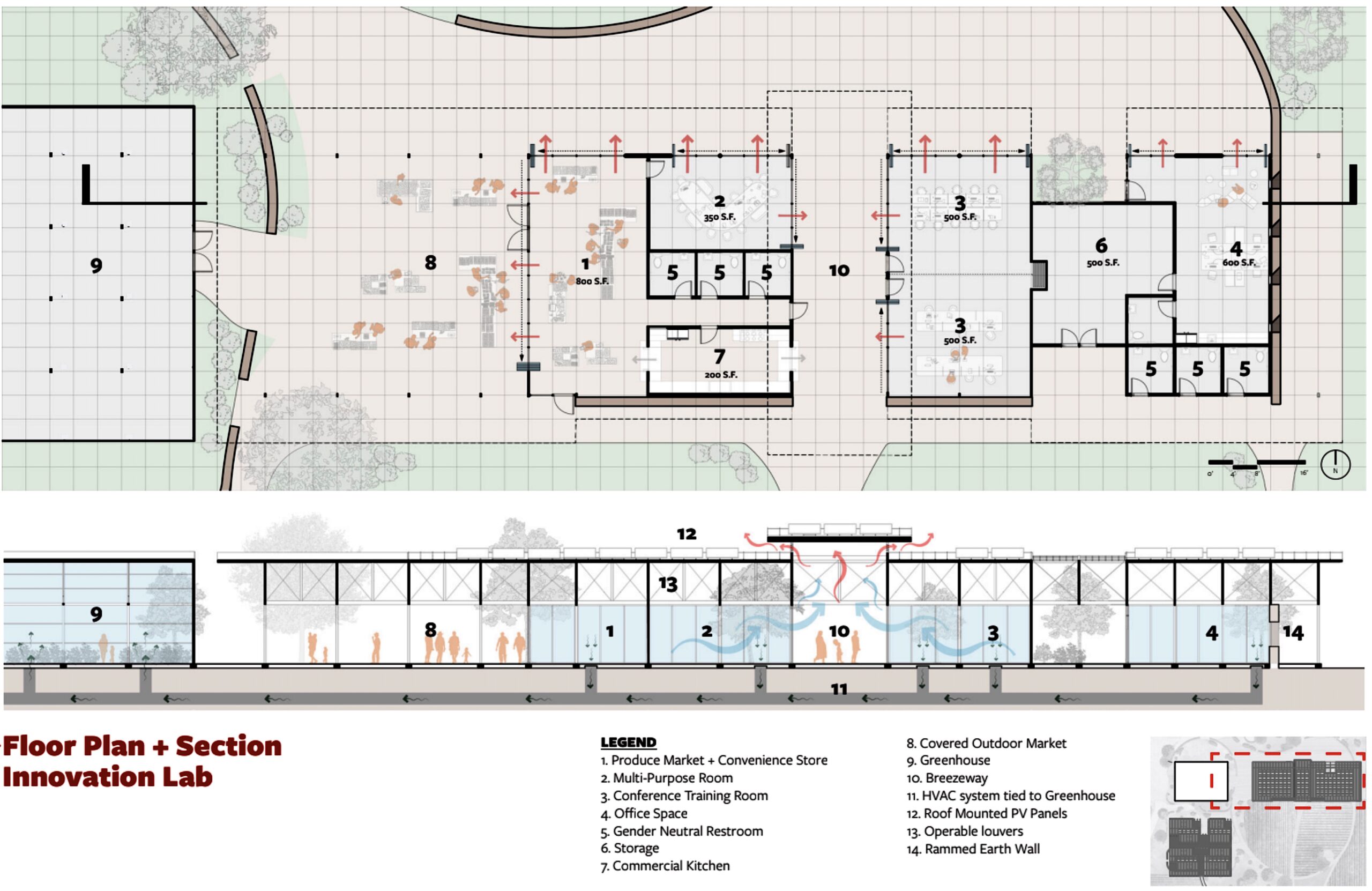
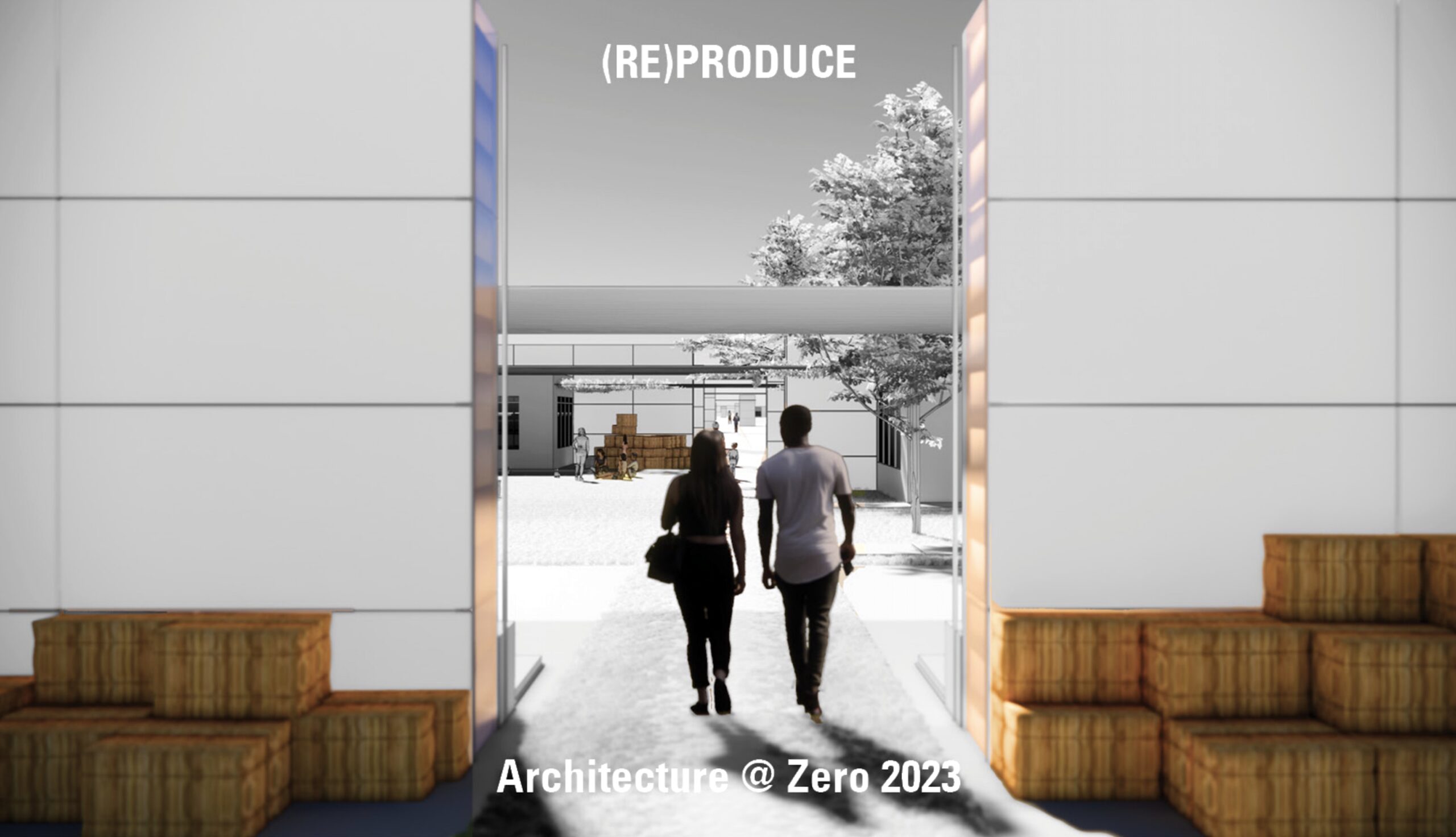
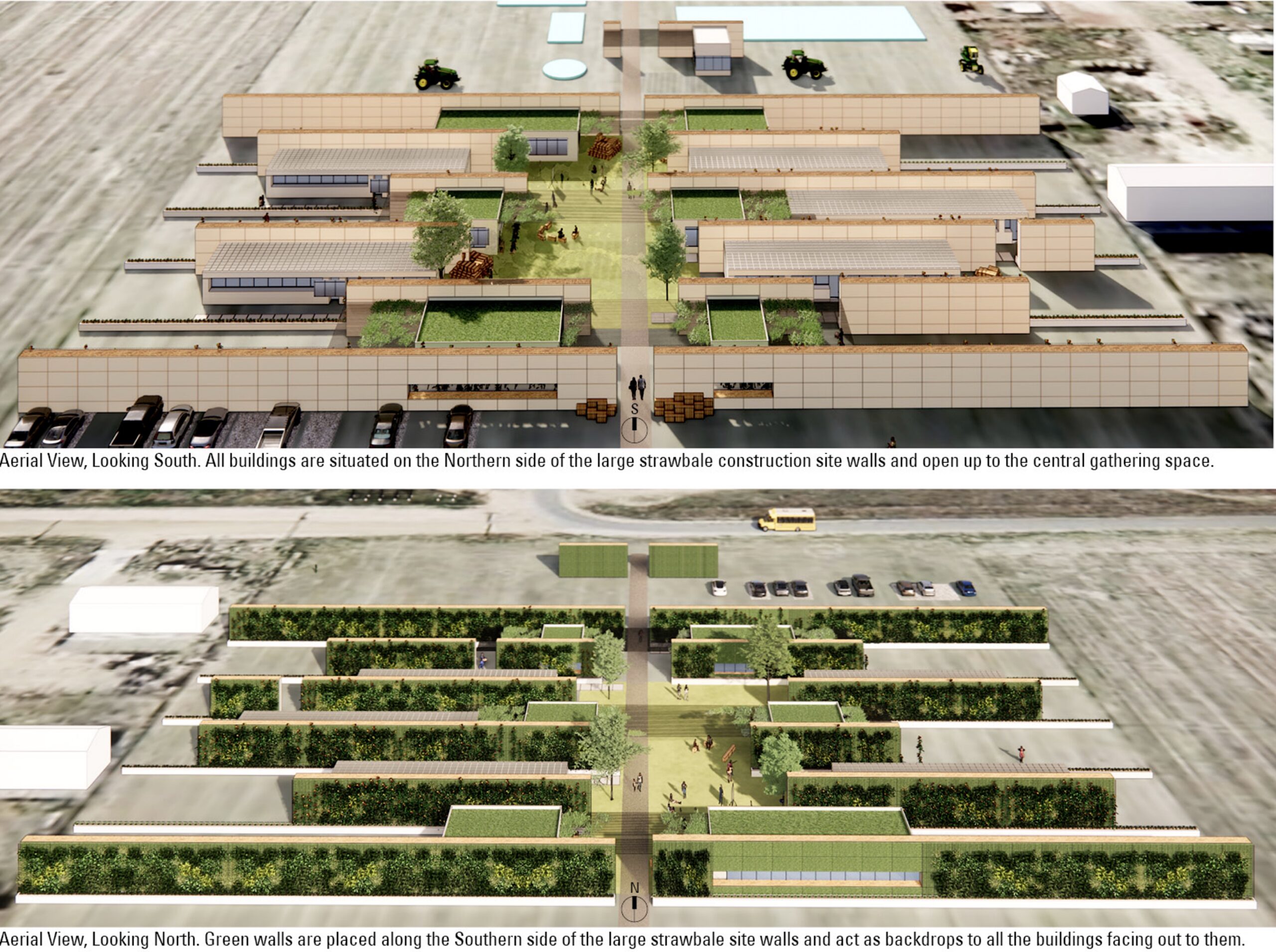
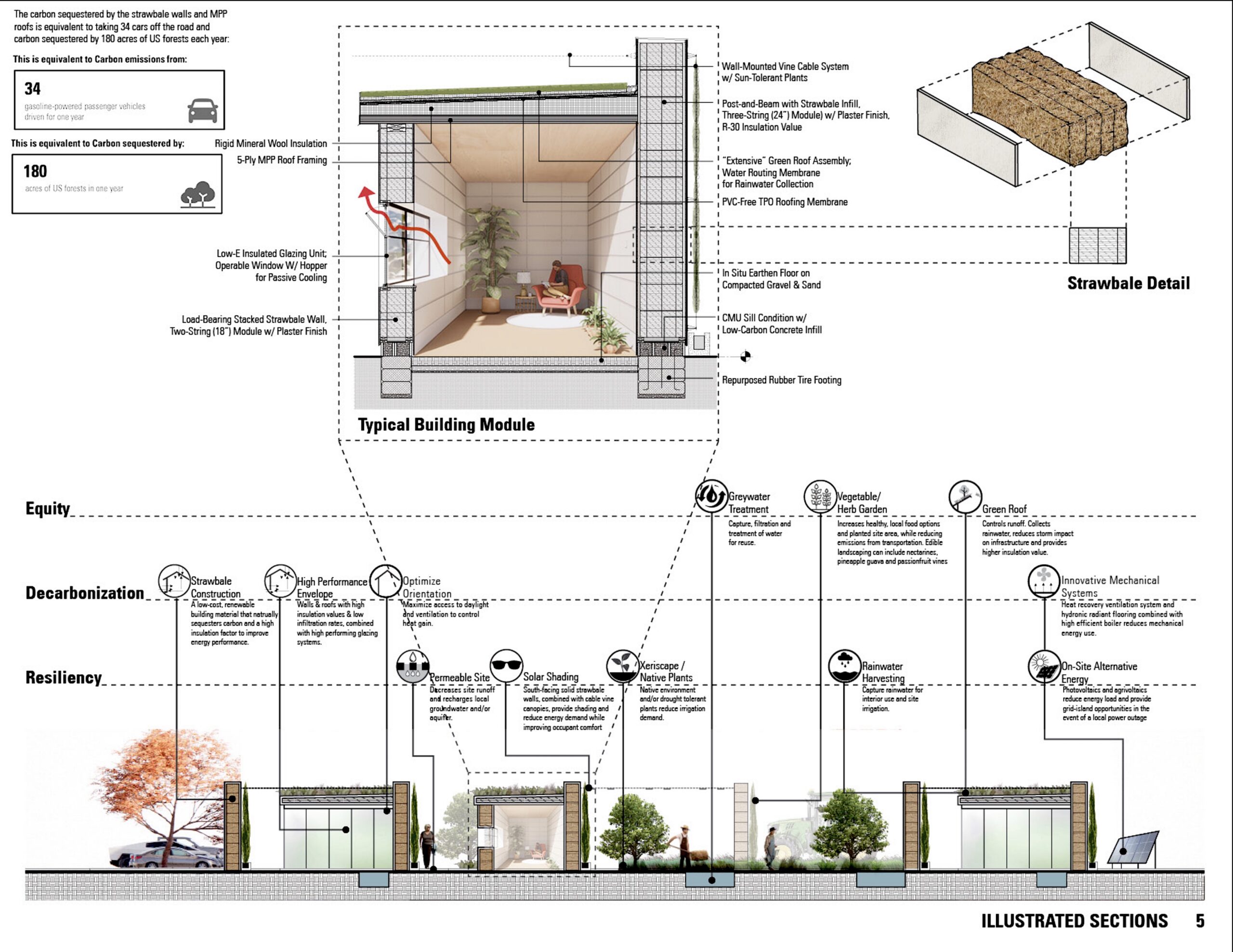
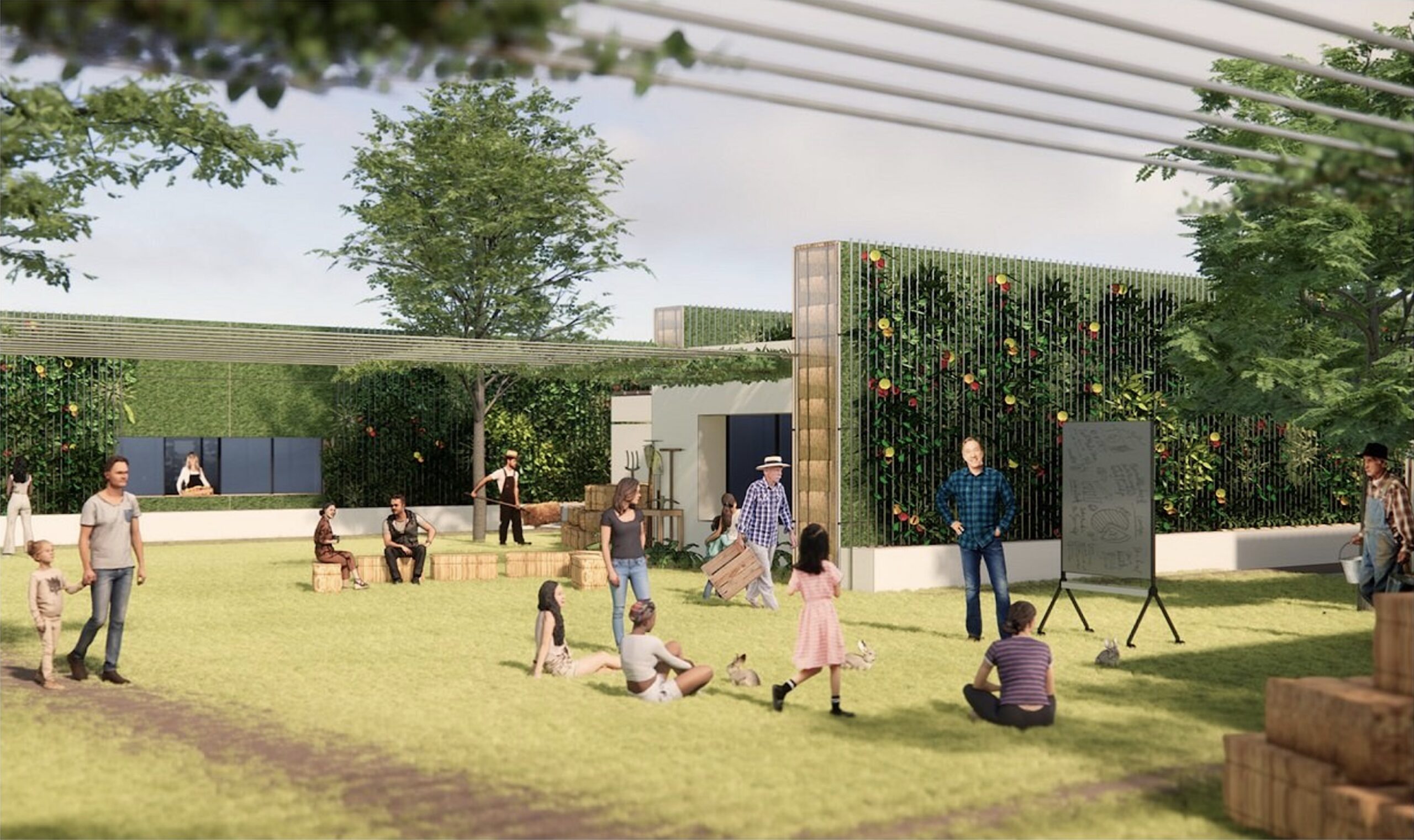
Graduate Student Honor Award
University of Southern California (USC)
Los Angeles, California
Team members: Saba Raji, Niyoshi Sanghrajka, Selin Guner, Manan Lakhani

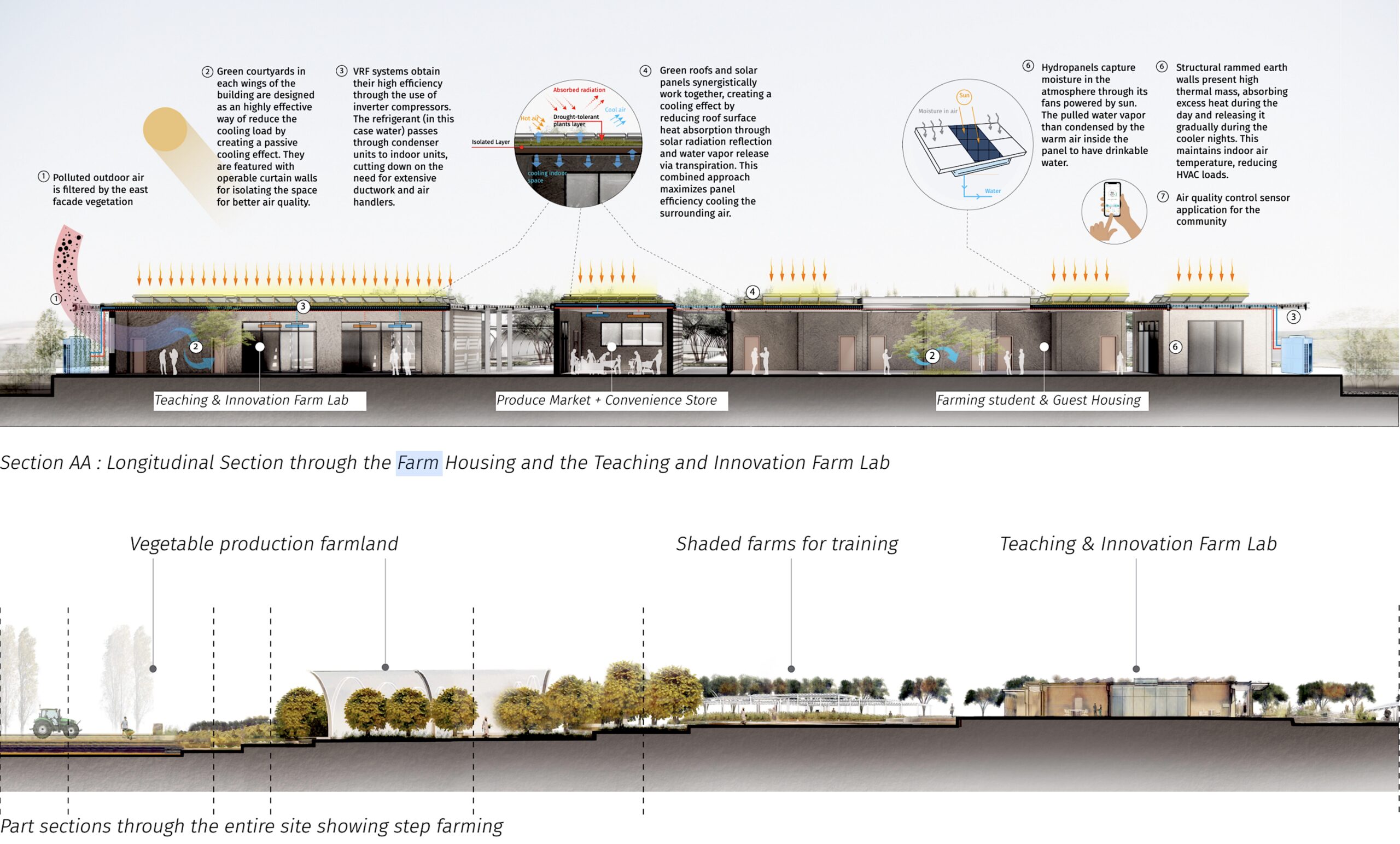
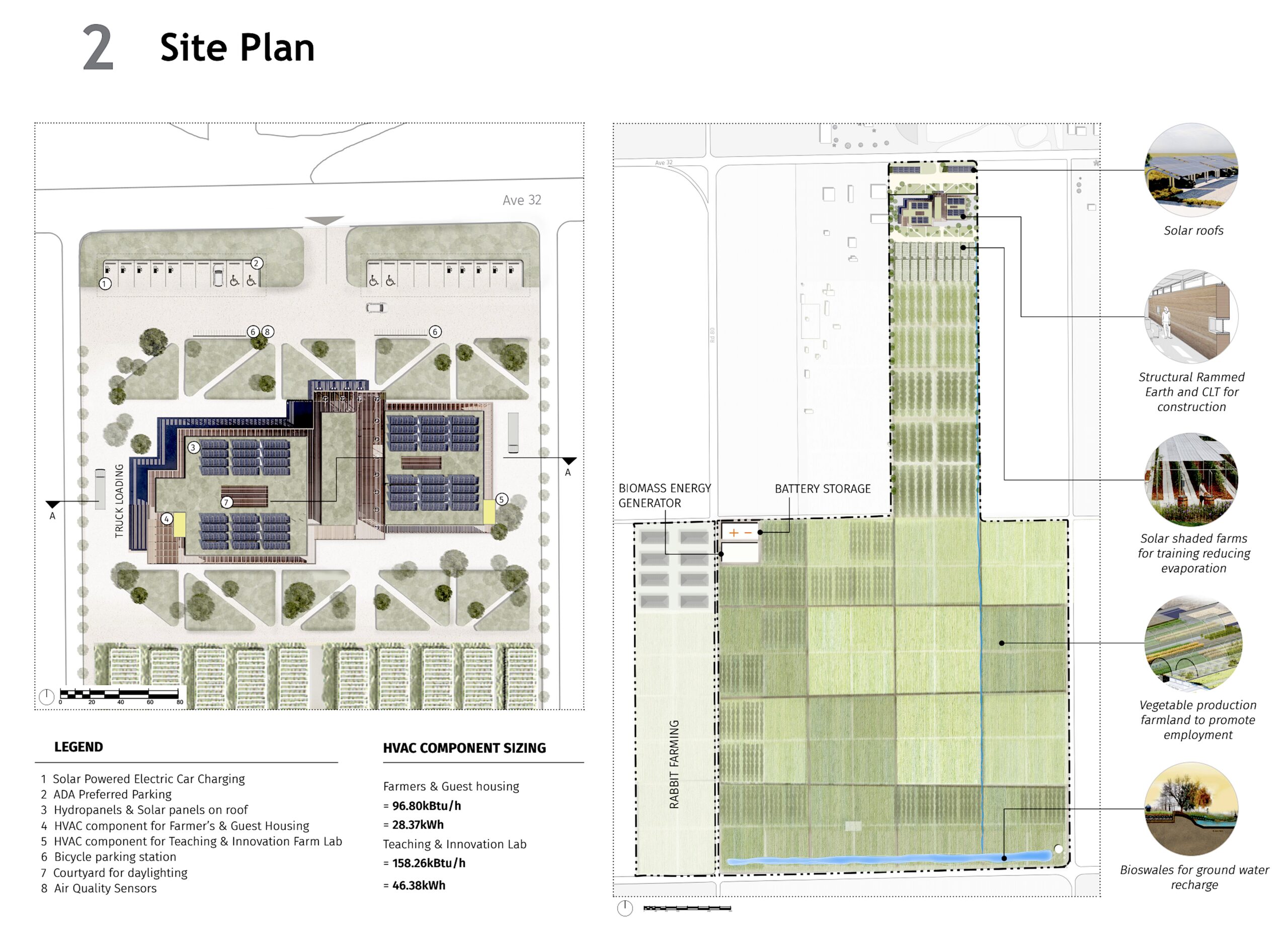
Unless otherwise noted, above images ©University of Southern California
Middle School as Sustainability Model
Griffith STEAM Magnet Middle School Competition

HONOR Award – ©Design Draw Build Inc. Oakland, California
Although the main theme of the 2024 Architecture at Zero competition differs from ones in the past, the underlying focus of this competition was firmly anchored in the tradition of “decarbonation, equality and resilience.” The choice of a middle school project was no doubt based partially on the assumption that the school presently located there consisted of portable classrooms, which could only suggest the temporary nature of the current situation. Still, this was an ideas competition only, but an opportunity for both professionals and students to demonstrate their bonafides in the area of sustainability as well as design. The 2024 Middle School Competition was notable for the program’s specificity in the areas relating to energy efficiency, resilience and equity. As for design, the intent here was to indicate how entrants use of materials might influence the impact on a building’s energy consumption. The instructions to the participants were quite precise, especially in regards to “Form”:
1) Entrants will create an overall site plan to accommodate the program. Entrants are encouraged to highlight any energy efficiency, renewable energy, energy storage, and carbon reduction strategies on systems shown.
2) Entrants will design the building in detail, demonstrating how the design will result in lower carbon emissions and embodied carbon, and addressing the requirements of the California Title 24 Building Energy Efficiency Standards. In order to indicate how the building design will result in lower carbon emissions, entrants will provide required documentation and may also include supplementary documentation.
3) Entrants are asked to describe how this project will build resilience. Entrants will be asked to complete a table outlining the inclusion of climate adaptation strategies and indicate on the site plan or section aspects of design strategies that support resiliency.
4) Entrants are asked to consider how their design addresses equity for the community. Entrants will be asked to write a short essay and indicate on the site plan or section aspects of design strategies that support equity.
All members of the jury were quite well-versed on the topic of sustainability. They were:
• Lance Collins, AIA, Partner Energy, Torrance, CA
• Paul Tortellini, PhD. PE, Principal Engineer, National Renewable Energy Laboratory
• Allison Grace Williams, FAIA, AGWms_studio
The jury was to score the entries according to the following formula:
• Energy Strategy (30 points)
• Decarbonization Strategies (20 points)
• Resilience Strategies (20 points)
• Equity Strategies (20 points)
• Form (10 points)
As for the latter, the instructions were clear in the following respect: “The jury will consider how the project’s built-form manifests the stated intent through its materials, shape, spatial organization, detailing, etc. The project’s form should indicate the building’s relationship to its surroundings, its users and the public at large. It isn’t enough to be beautiful. The focus should not be on creating a cutting edge or trendy form, but rather on a considered, appropriate design that is relevant and effective for its audience and intent.”
Based on the emphasis placed on the above categories, the final ranking of the winners was as follows:
Professional category
HONOR AWARD
Agualta STEAM Engine
Design Draw Build Inc.
Oakland, CA
MERIT AWARD
Link +
McMillan Pazdan Smith Architecture
Columbia, SC
MERIT AWARD
Middle School for Fun Innovation and Technological Sustainability
Adamakis Architects & Associates
Volos, Greece
SPECIAL RECOGNITION AWARD
Griffith STEAM construyendo un lugar para todos
Petinelli Consultants
São José, Brazil
Student Category
MERIT AWARD
The Courtyards
California State Polytechnic University Pomona
Pomona, CA
Professional category
HONOR AWARD
Agualta STEAM Engine
Design Draw Build Inc.


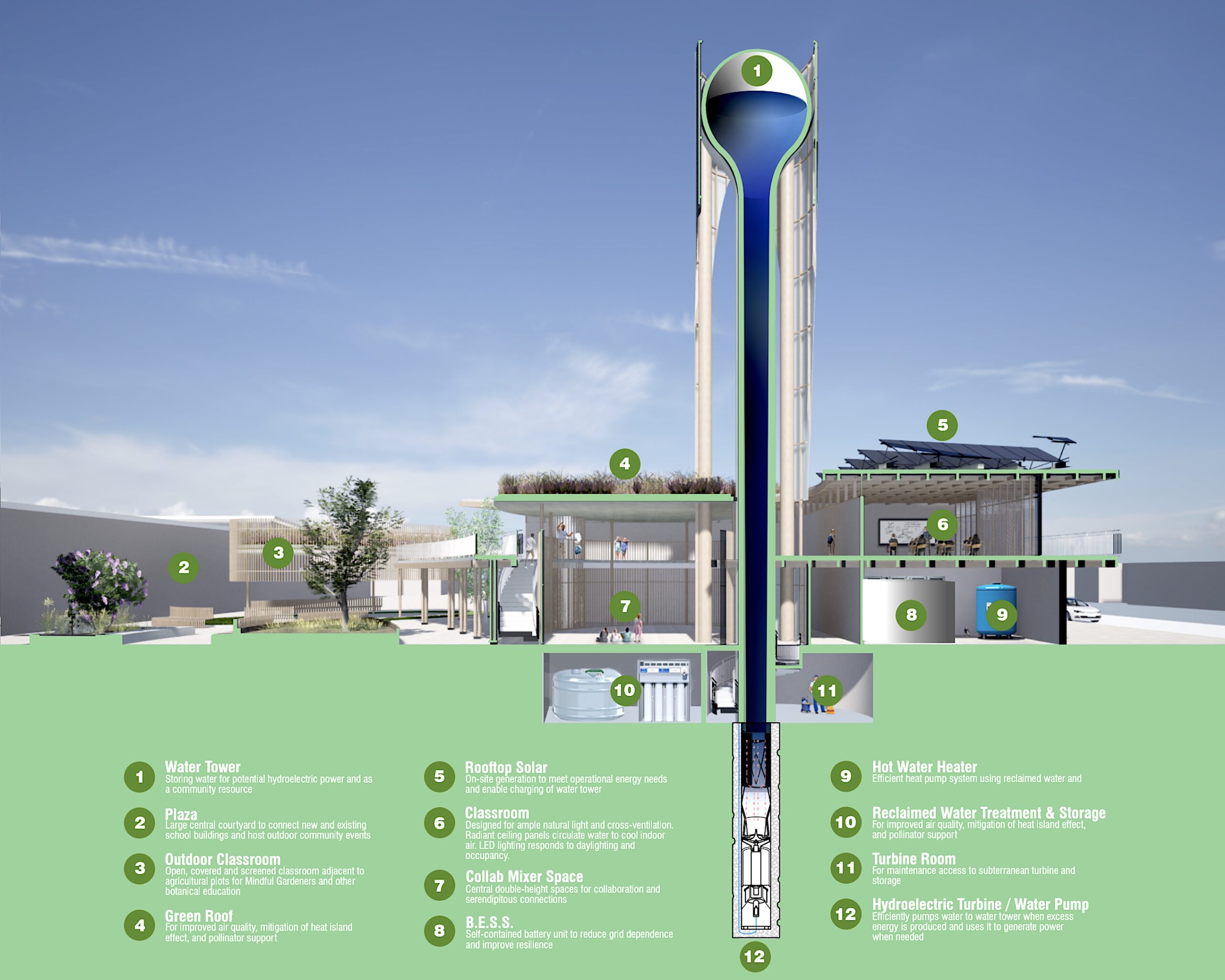
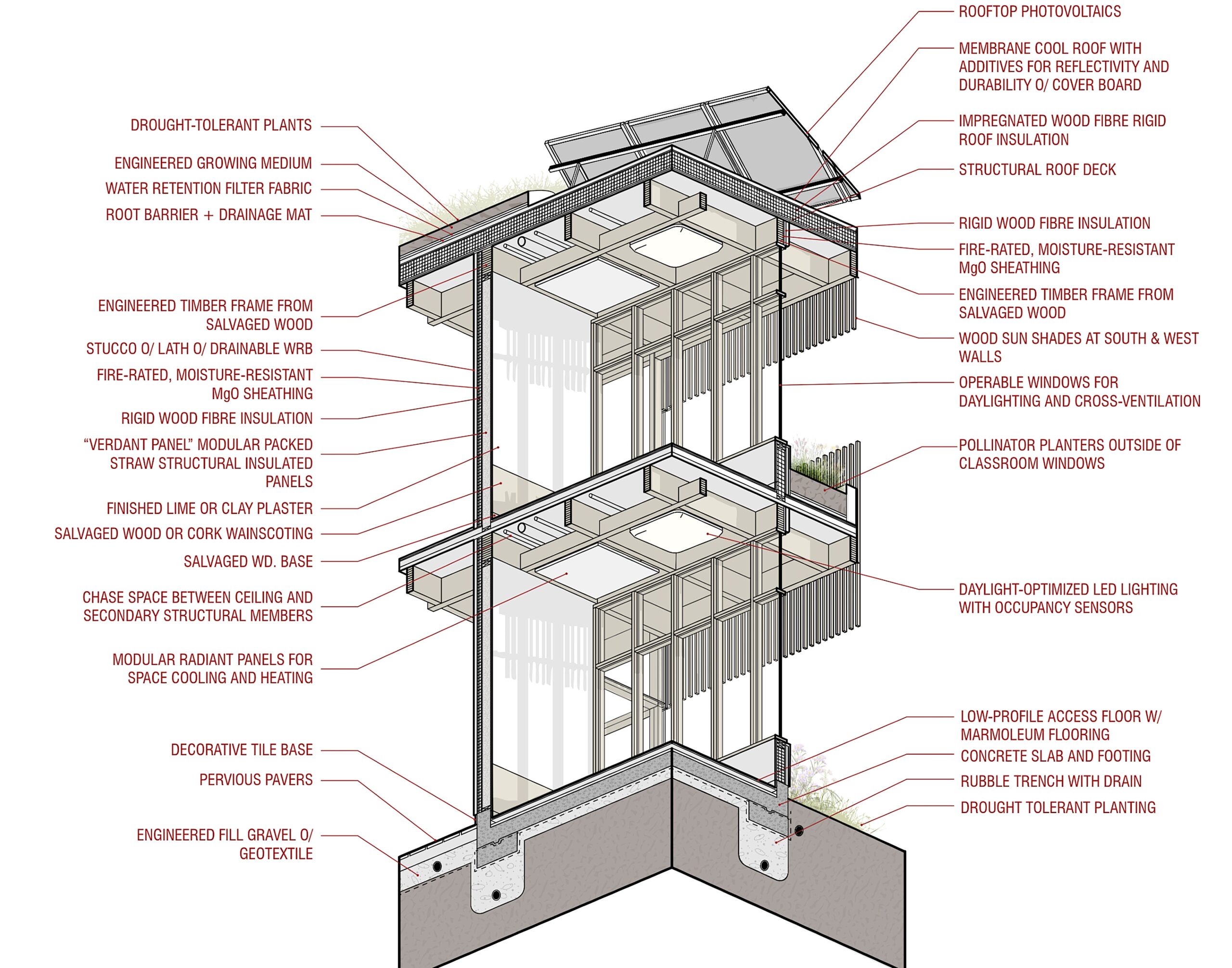

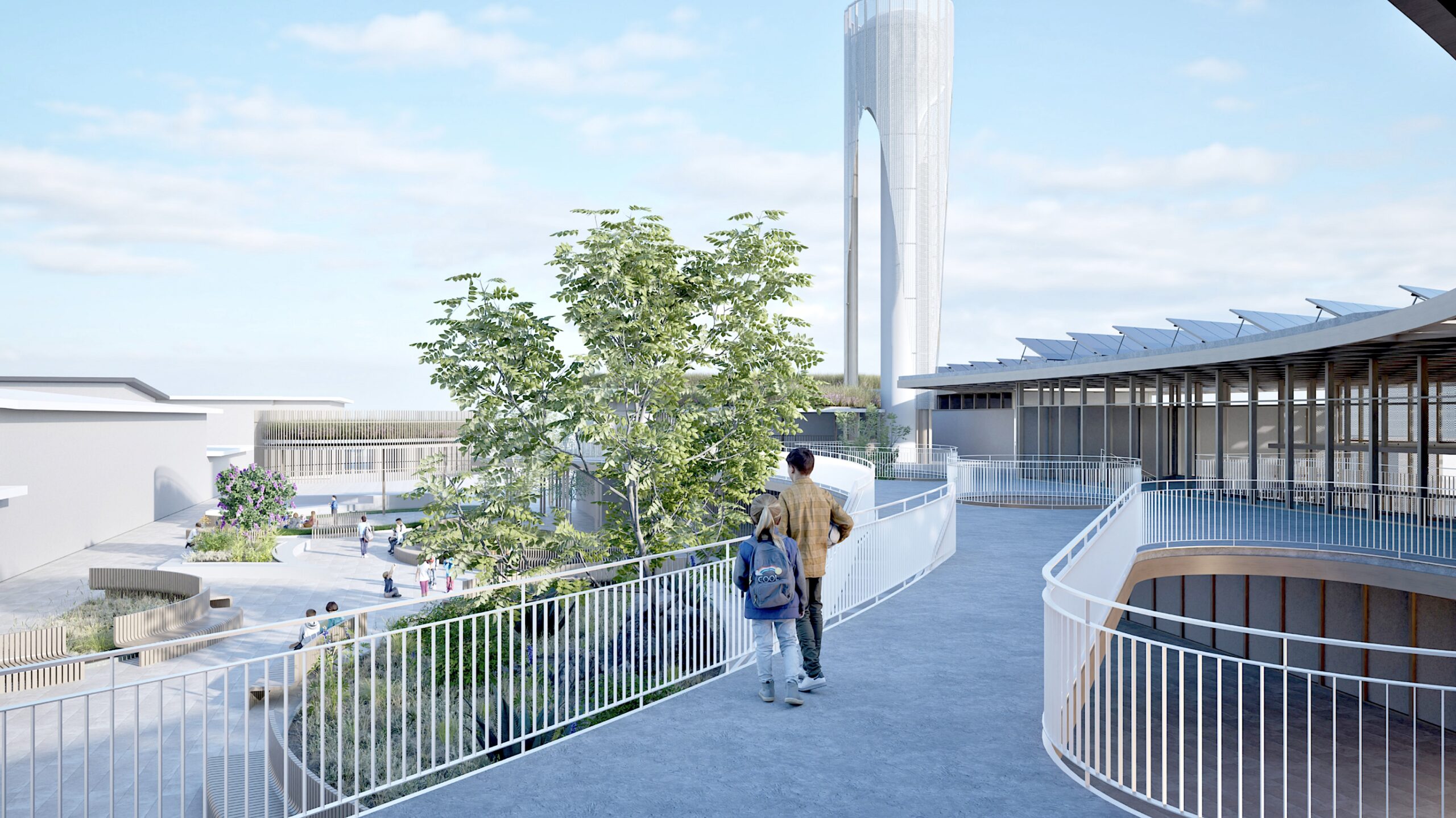
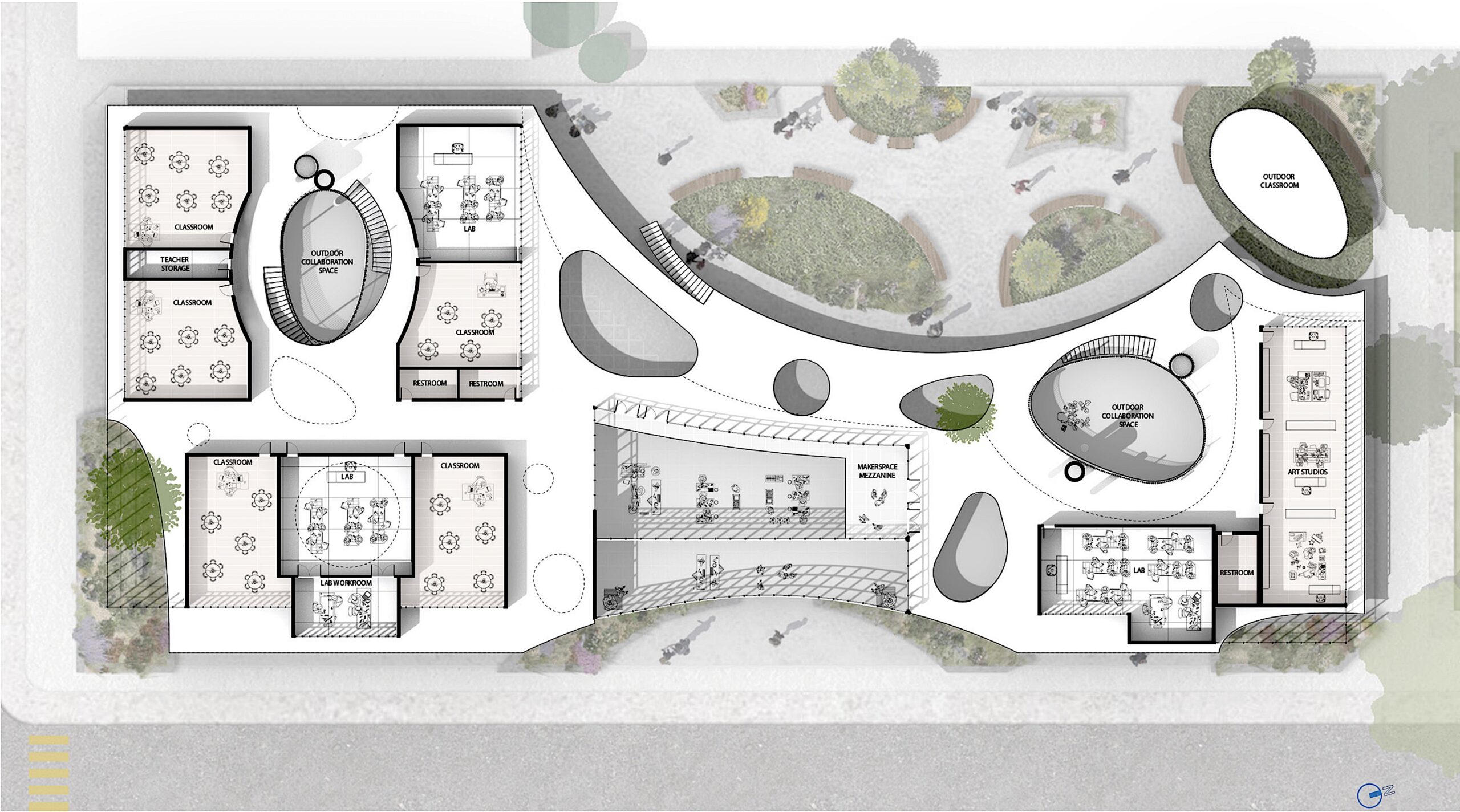
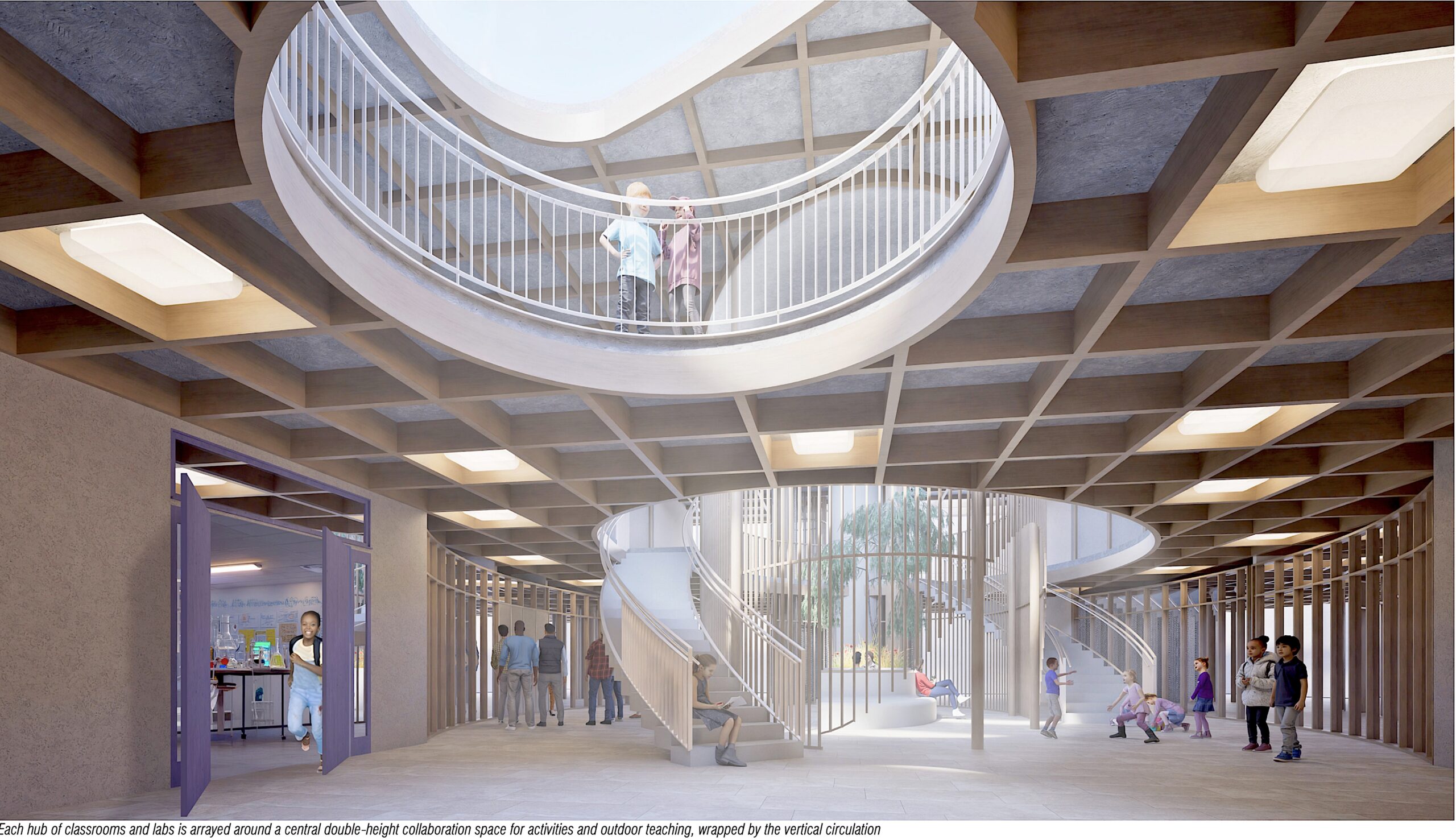
Unless otherwise noted, all above images ©Design Draw Build
MERIT AWARD
Link +
McMillan Pazdan Smith Architecture
Columbia, SC
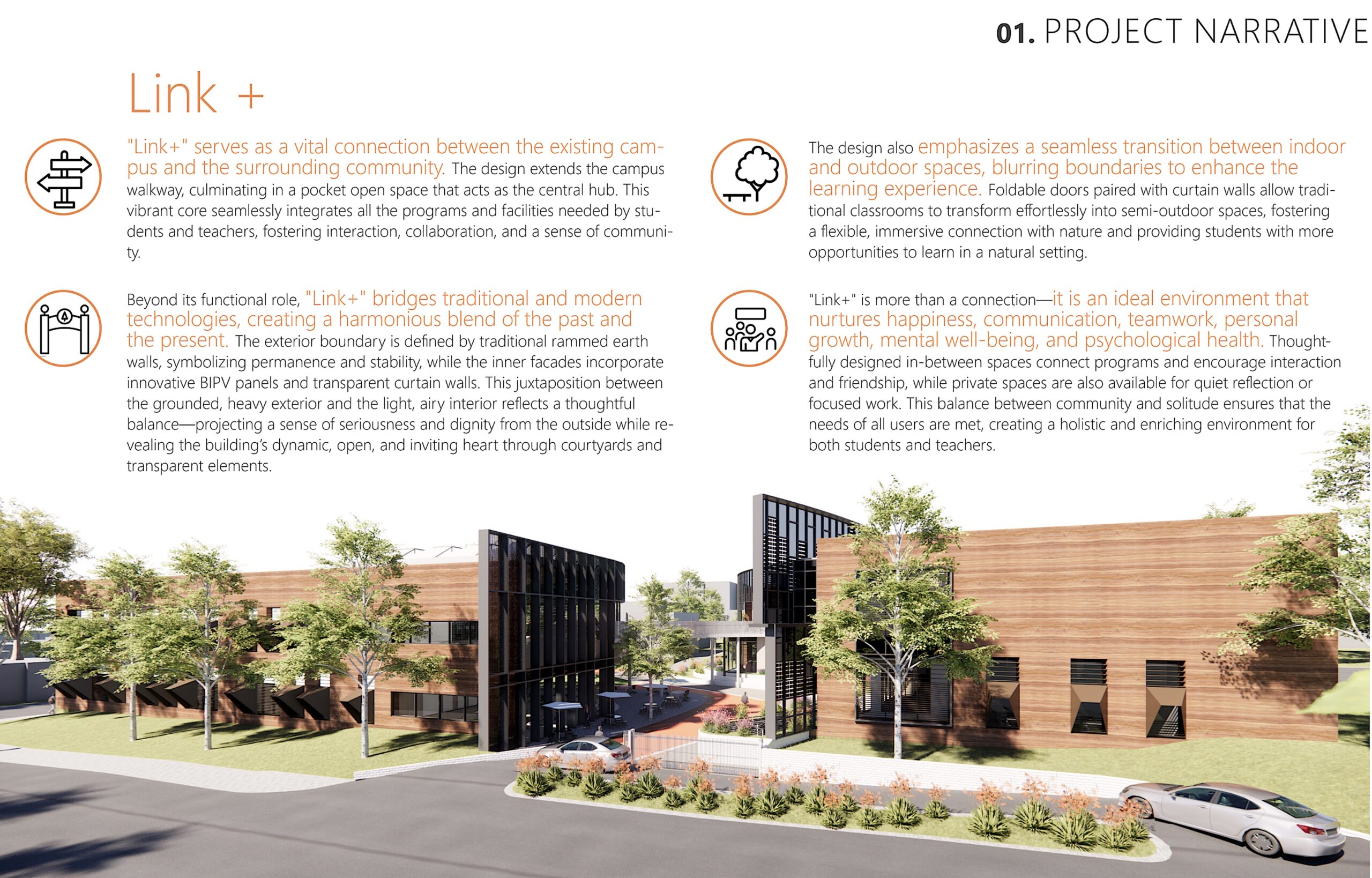
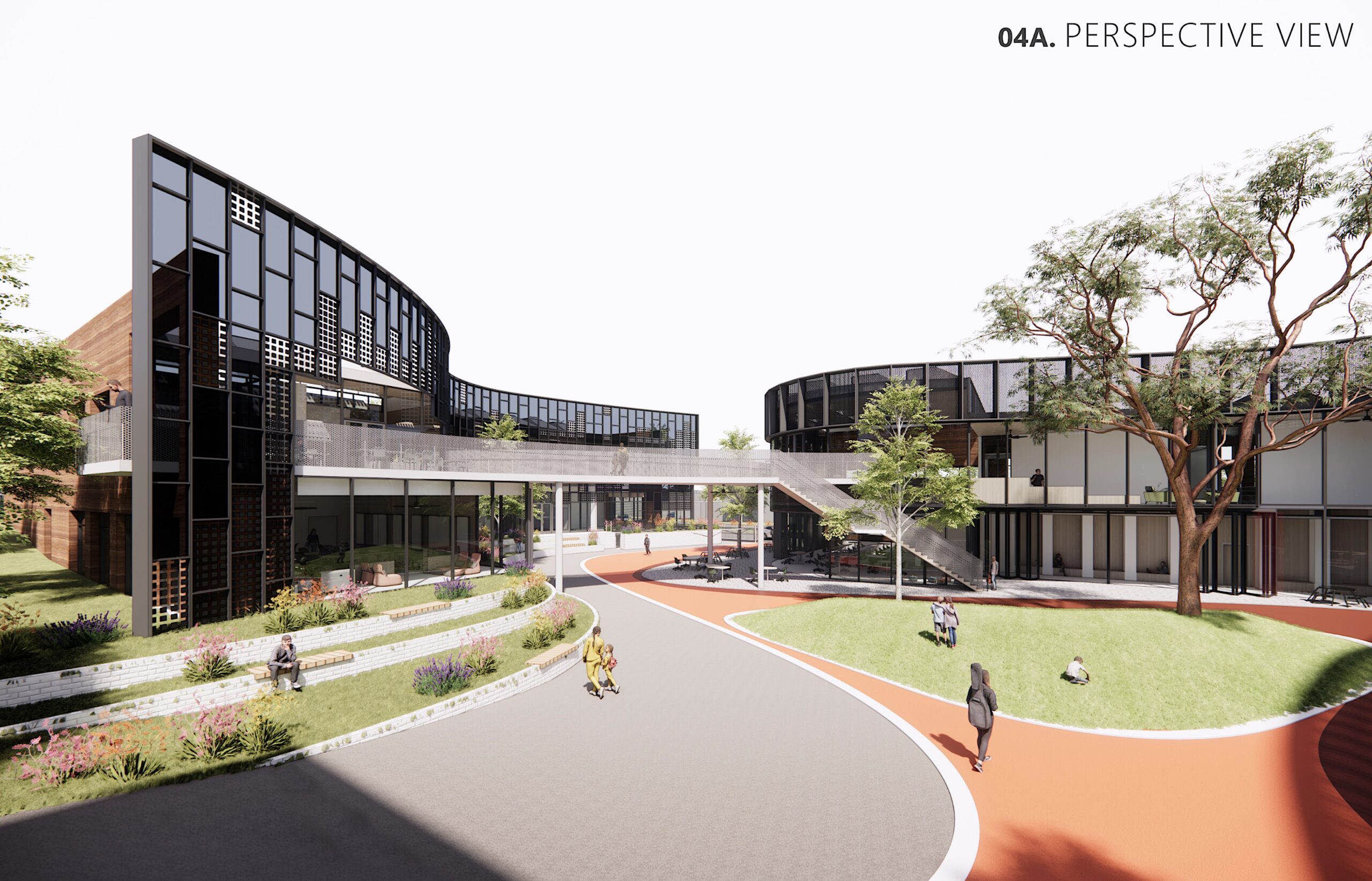


Unless otherwise noted, all above images ©McMillan Pazdan Smith Architecture
MERIT AWARD
Middle School for Fun Innovation and Technological Sustainability
Adamakis Architects & Associates
Volos, Greece

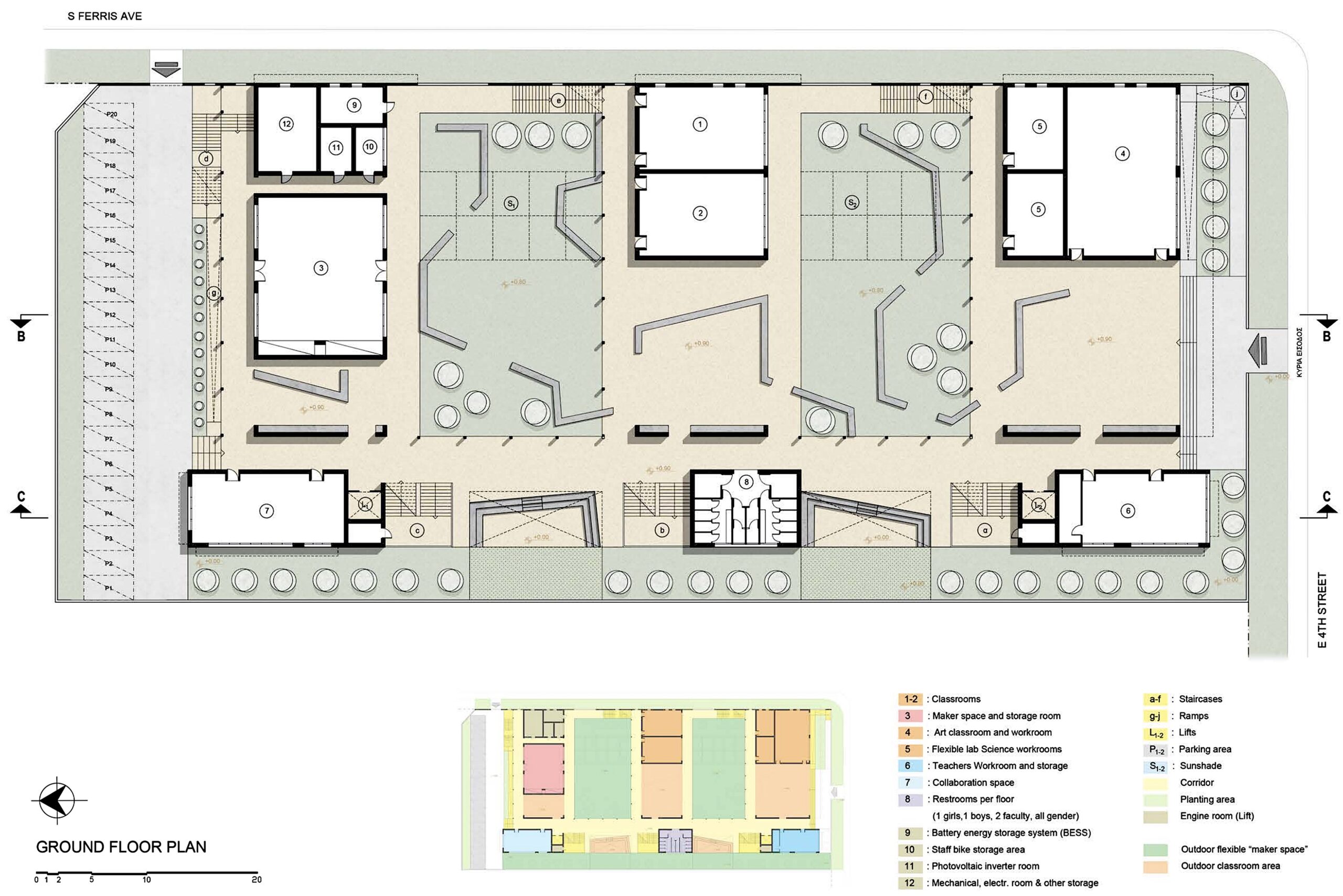
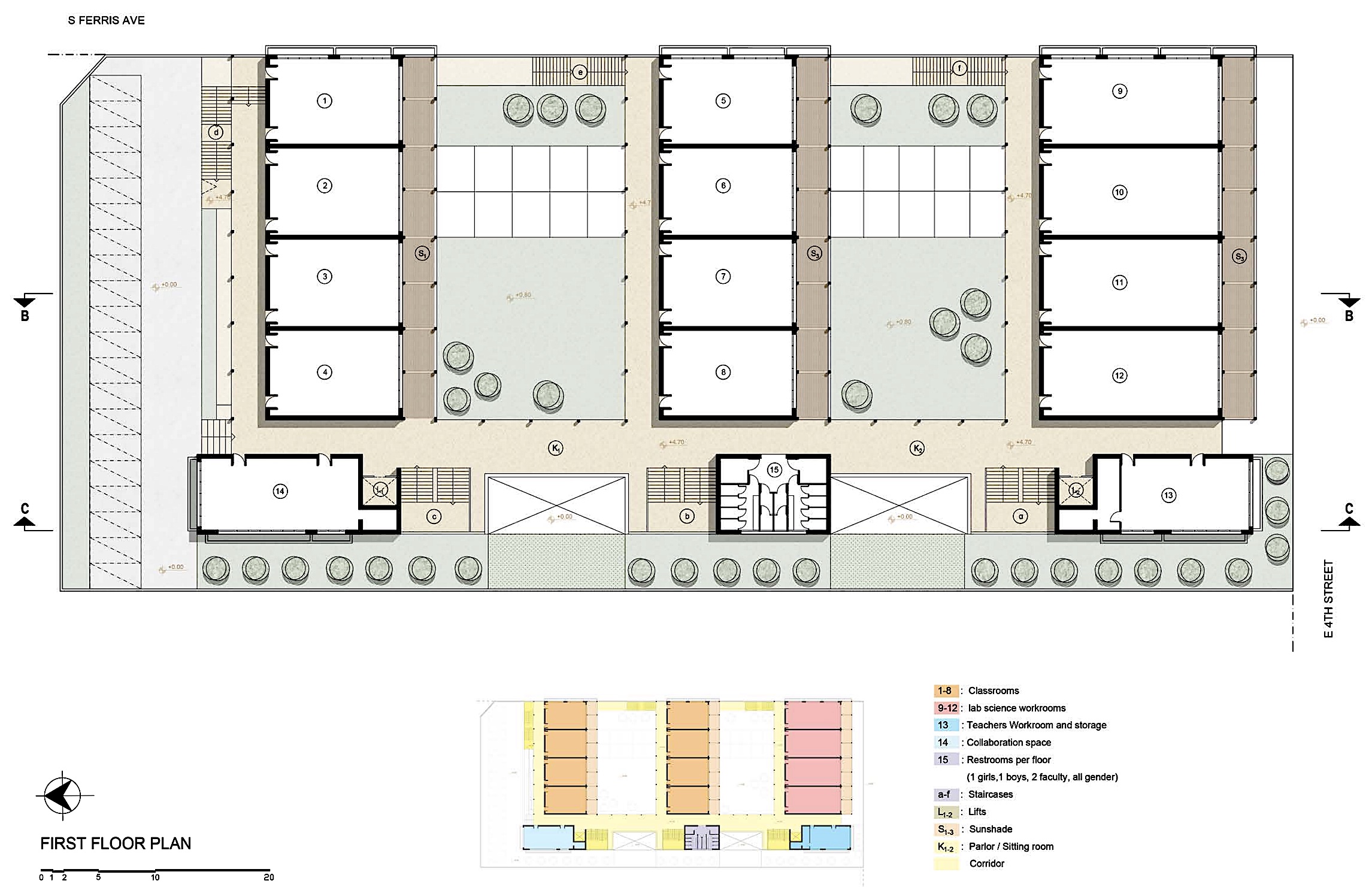
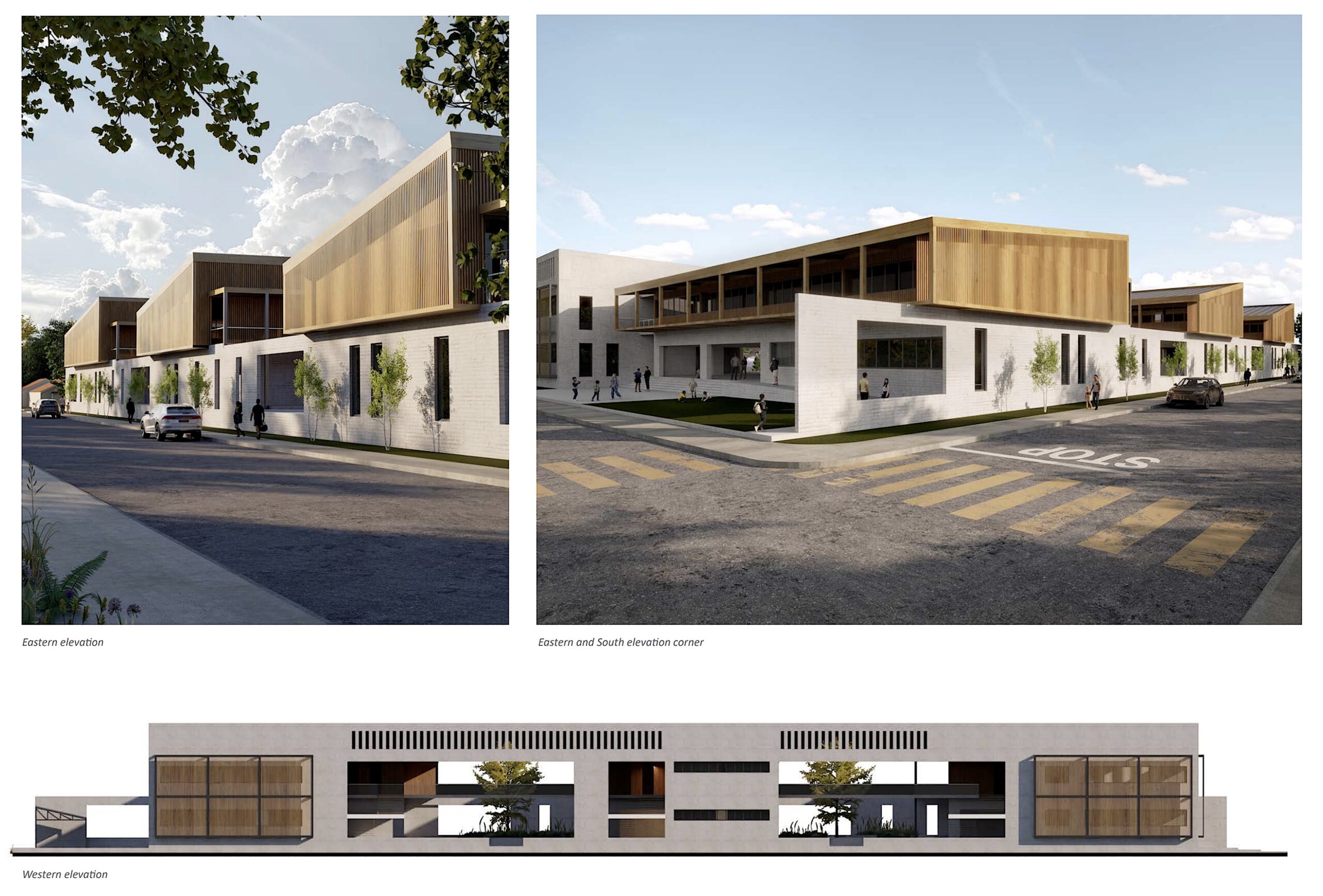
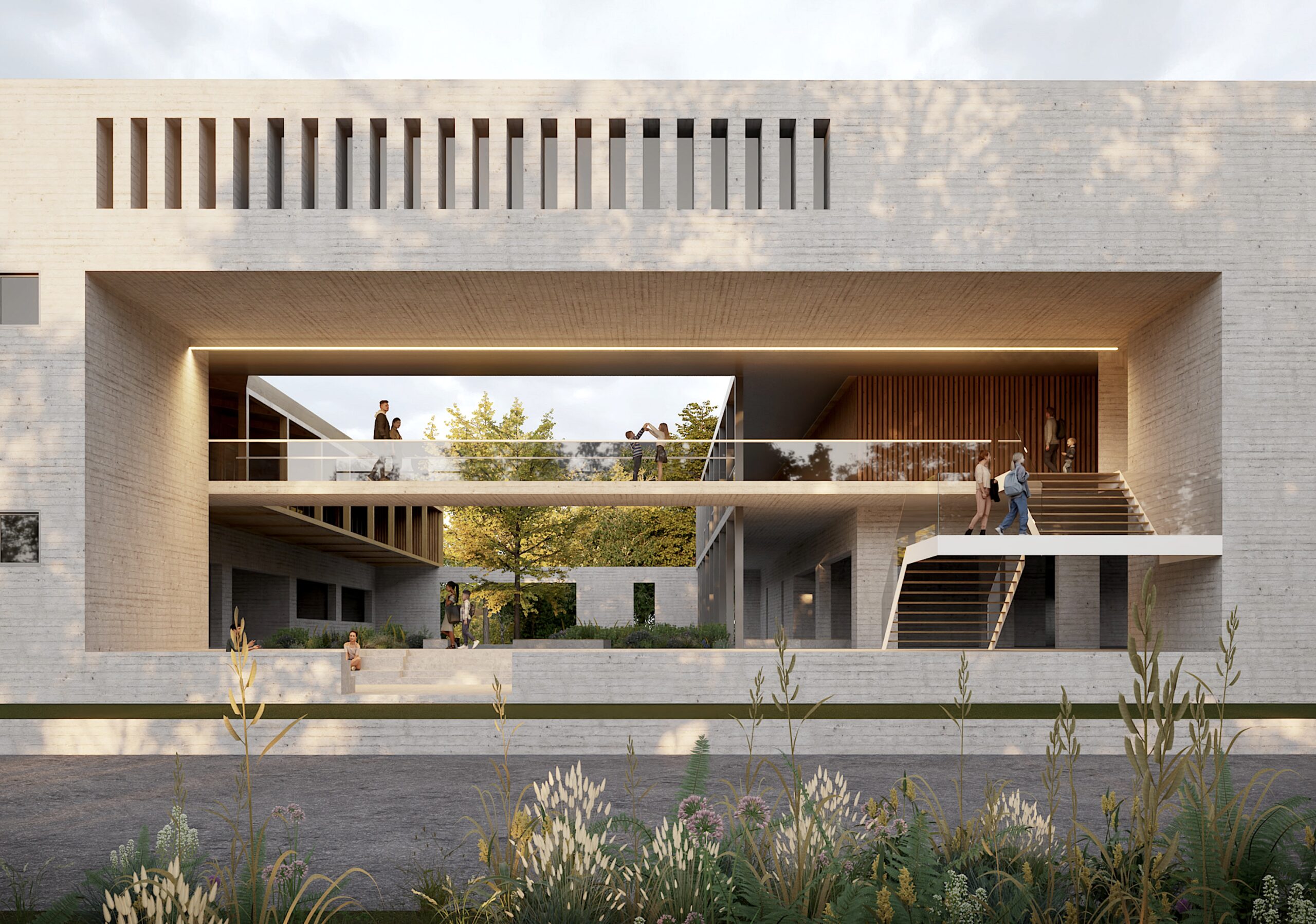

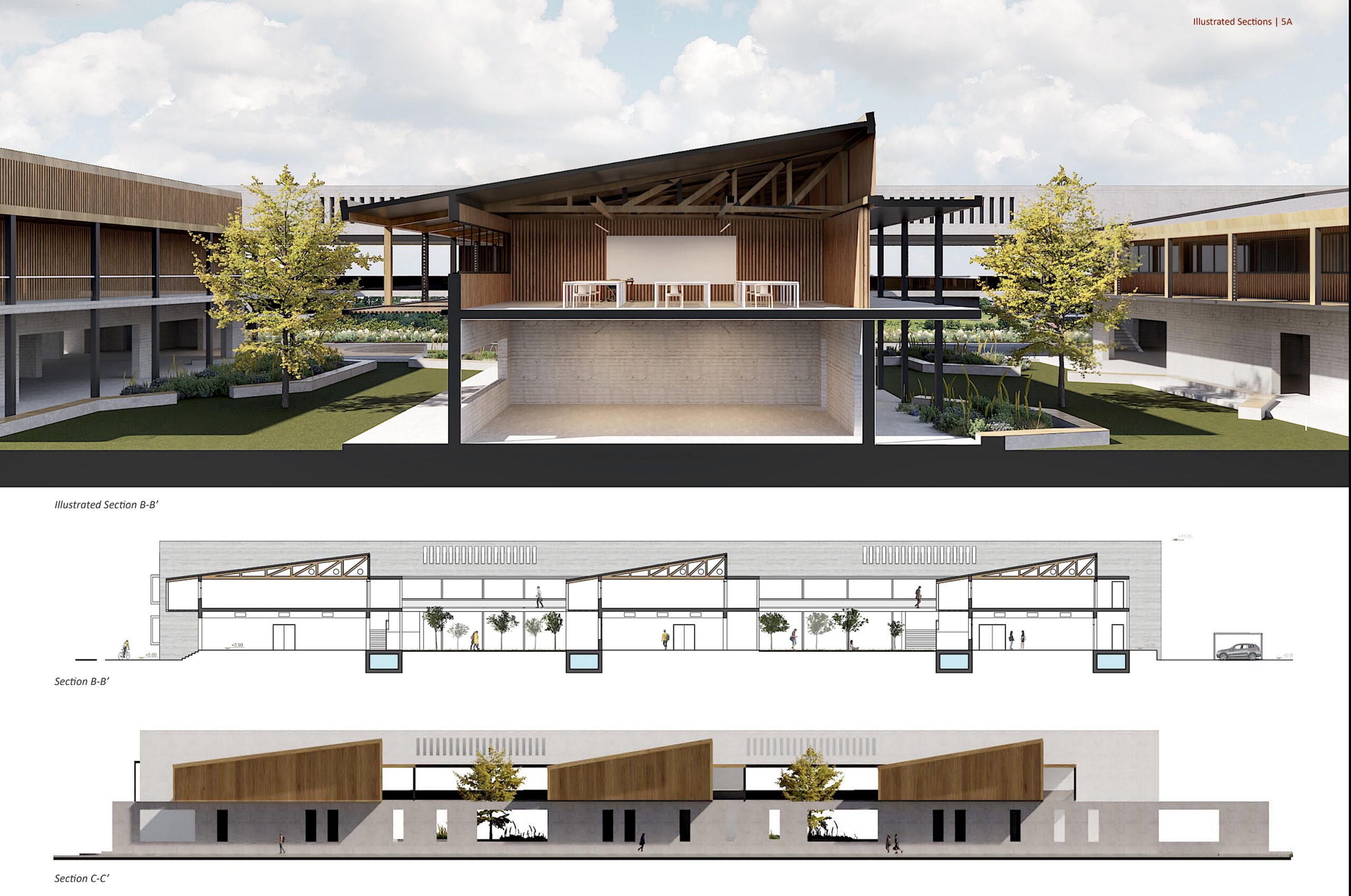
Unless noted otherwise, all above images ©Adamakis Architects & Associates
SPECIAL RECOGNITION AWARD
Griffith STEAM construyendo un lugar para todos
Petinelli Consultants
São José, Brazil

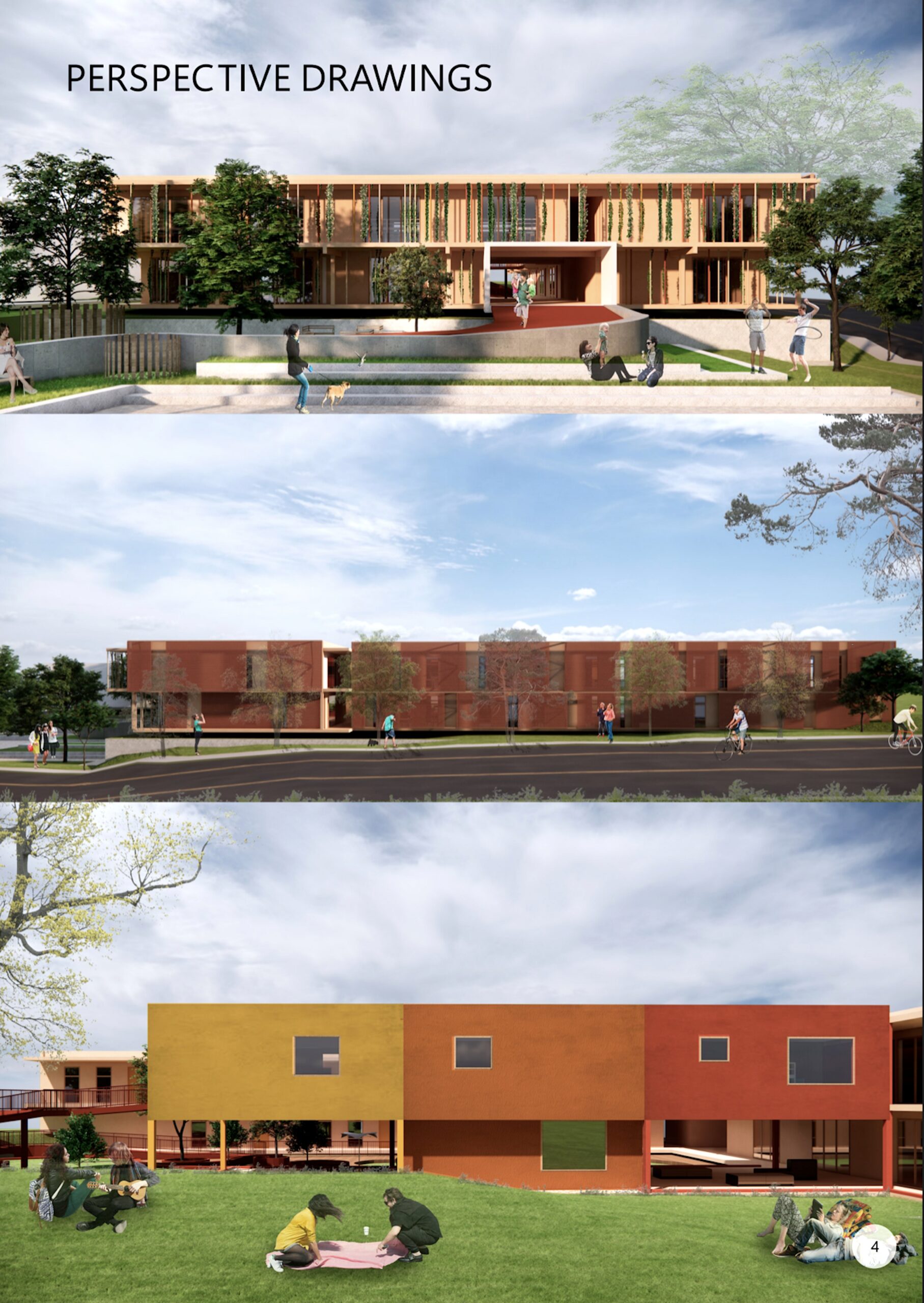
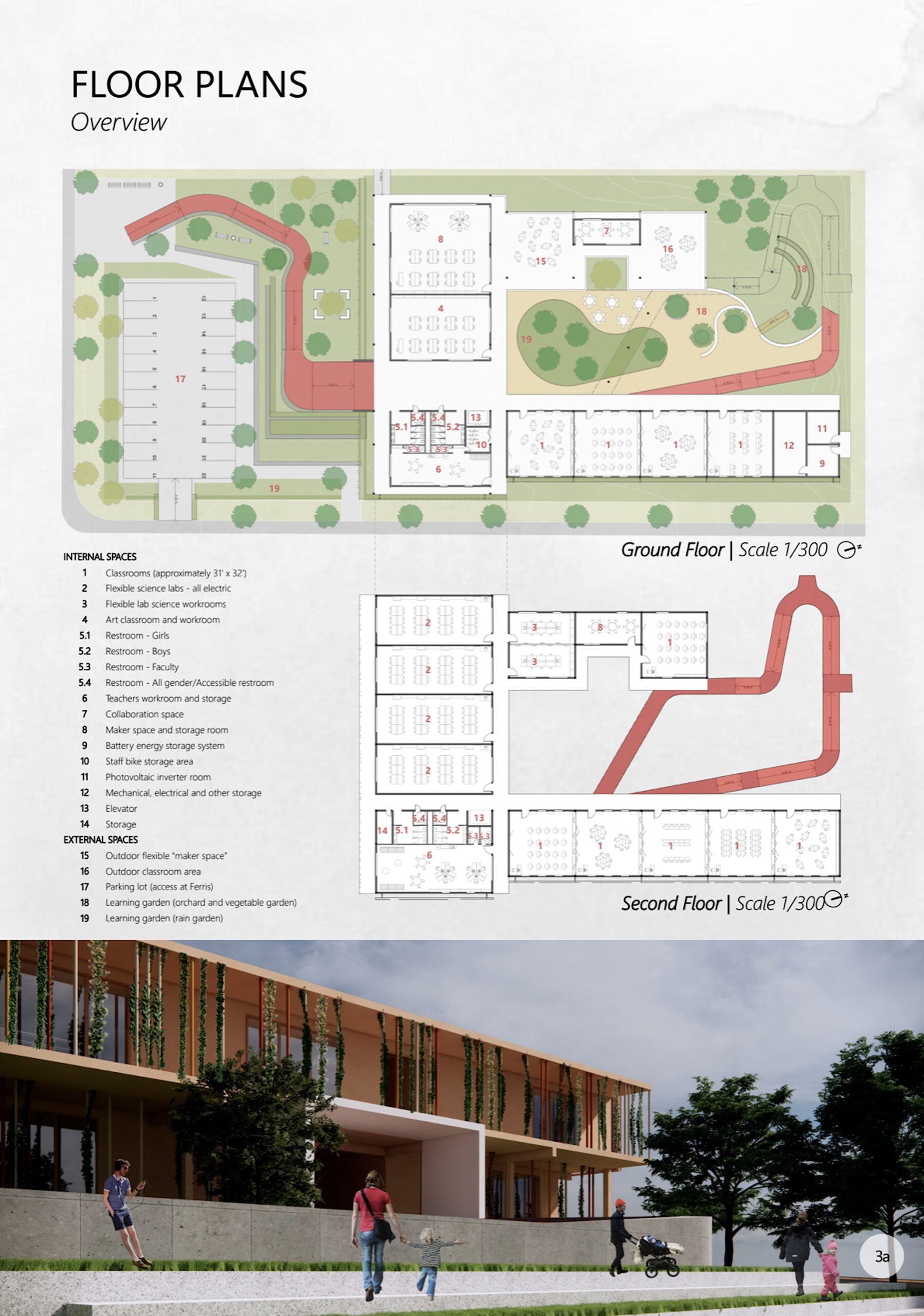

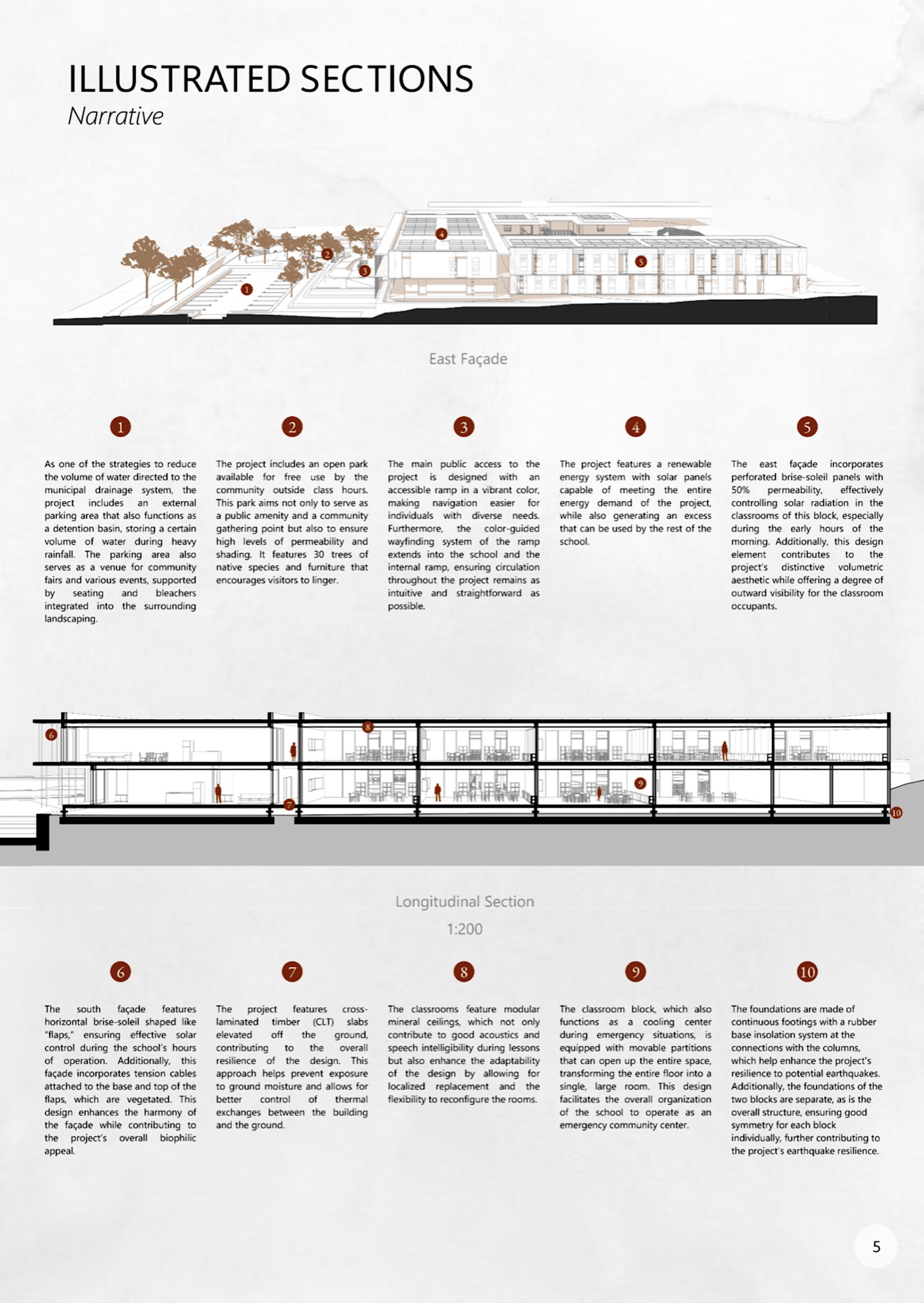
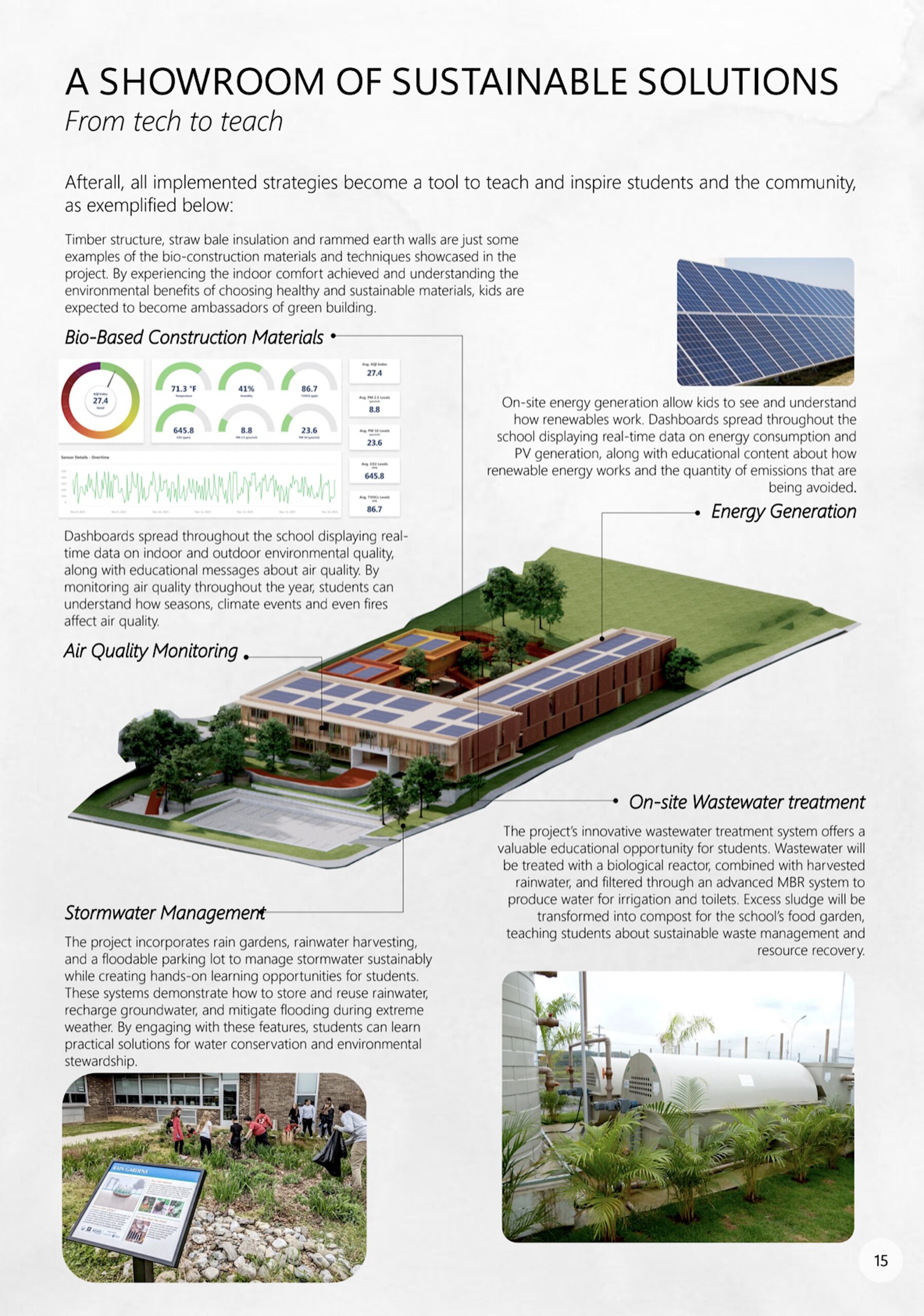
Unless otherwise noted, all above images ©Petinelli Consultants
Student Category
MERIT AWARD
The Courtyards
California State Polytechnic University Pomona
Team members: Uliana Vasilyeva, Victoria Cavero, Gabriela Stracener
Advisor: Pablo La Roche
Pomona, California

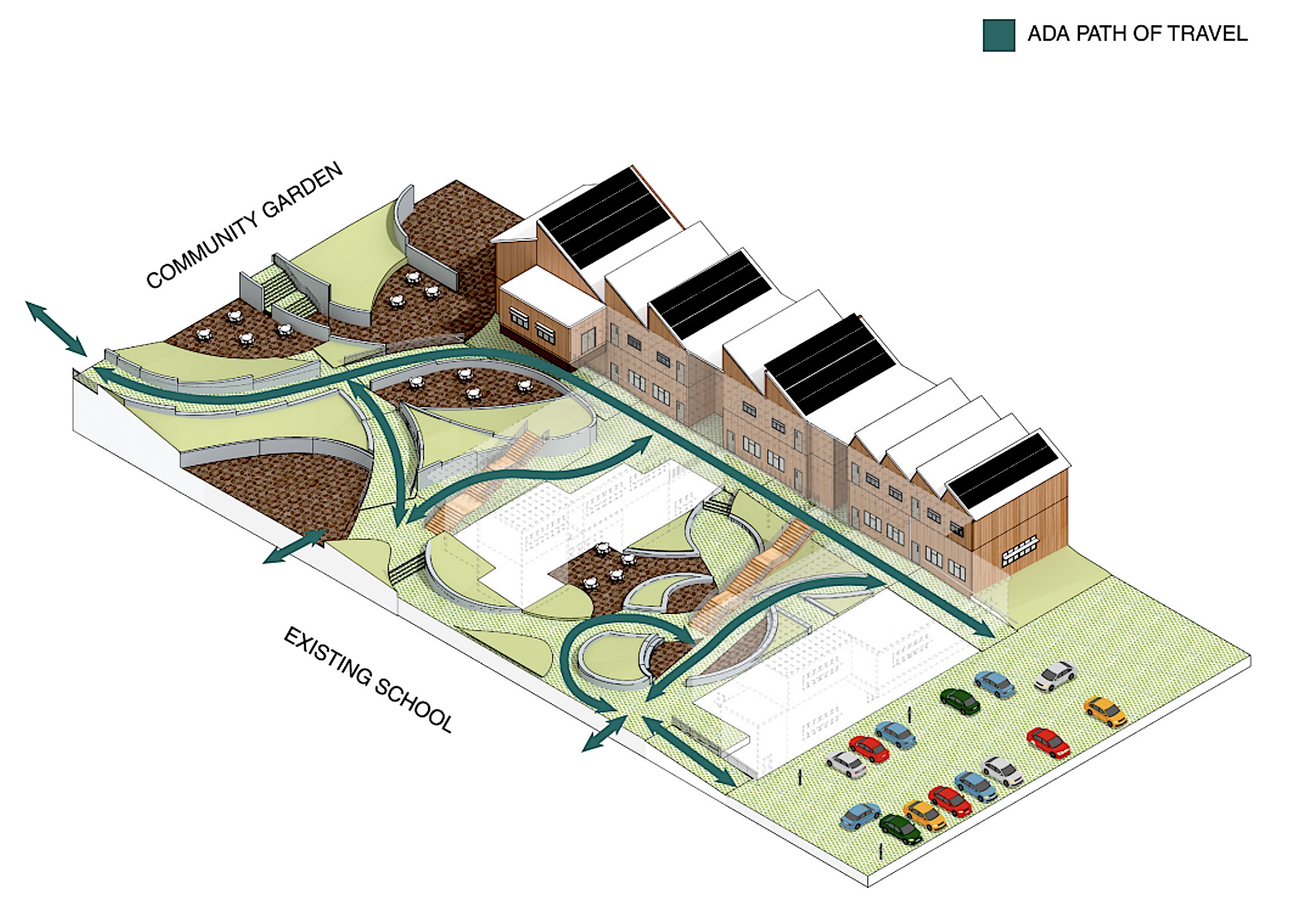


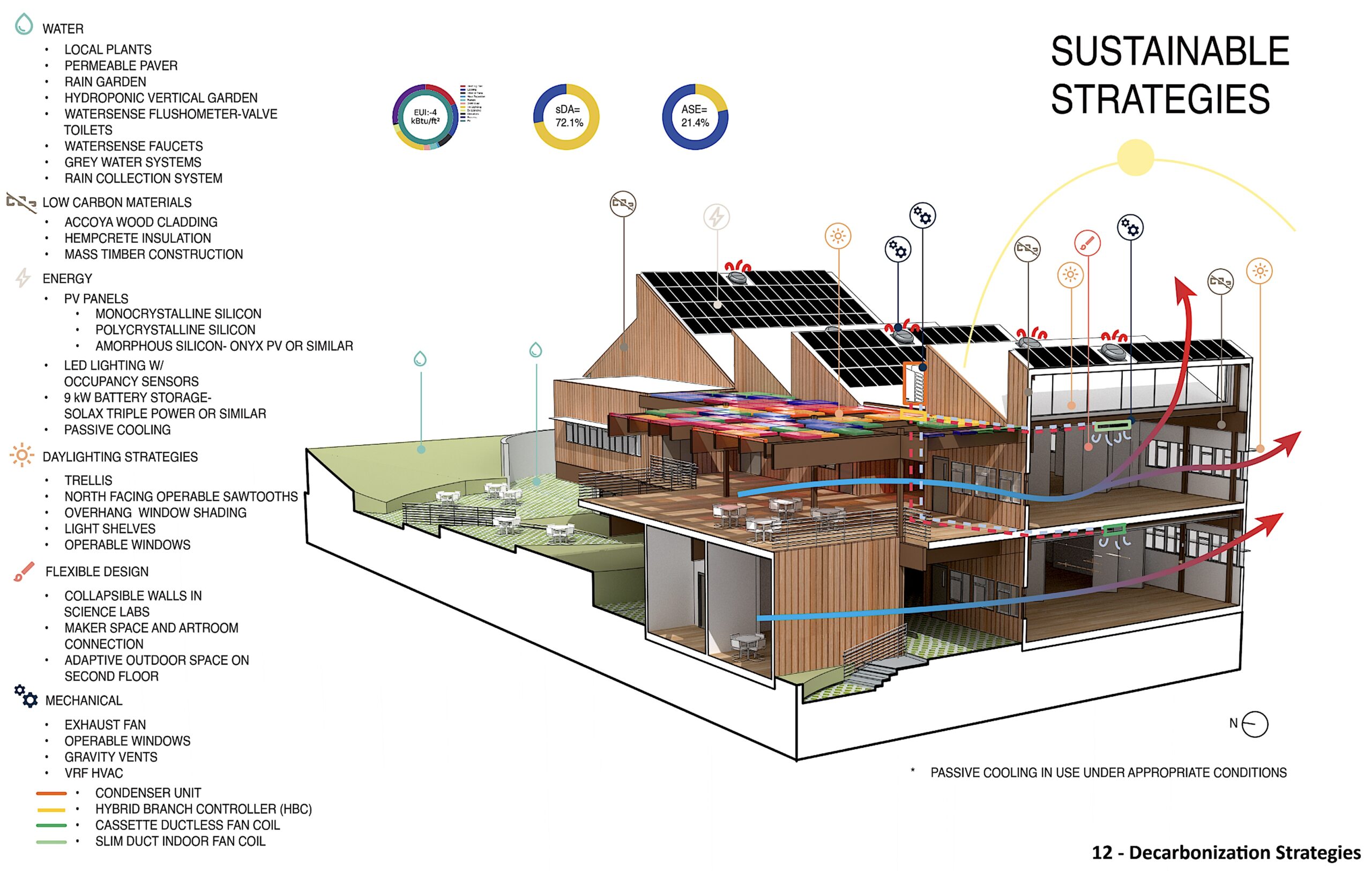
Unless otherwise noted, above images ©Cal State Polytechnic University Pomona